Find the right kitten milk replacer for vulnerable or orphaned kittens. This guide highlights five dependable formulas—chosen for ease of digestion, immune support, and close nutrition to a mother’s milk. Best for orphaned, underweight, nursing-challenged, or weaning kittens, with options suitable for newborns up to six weeks old or early weaning stages.
| Product | Brand | Best For |
|---|---|---|
| Hartz Powdered Kitten Milk Replacer Formula | Hartz | Orphaned or nursing-challenged kittens; quick-mix, ready-to-feed when needed |
| PetLac Powder for Kittens | PetAg | Newborn to six weeks; easy digestion with prebiotics and probiotics |
| Under the Weather Kitten Milk Replacer + Colostrum | Under the Weather | Kittens needing immune and digestive support; colostrum fortification |
| KMR Goat’s Milk Kitten Milk Replacer Liquid | PetAg | Newborn to six weeks; liquid form for easy mixing |
| Nutri-Vet Milk Replacer For Kittens | Nutri-Vet | Newborn growth support; includes probiotics for gut health |
Hartz Powdered Kitten Milk Replacer Formula

Features: Precisely formulated to match a mother cat’s milk. Quick-mix powder blends easily with room temperature water for on-demand feeding. Includes calcium for strong bones, taurine for heart and eye development, lysine for respiratory health, and linoleic acid for skin and coat health.
Best for: Kittens needing a ready-to-make replacement that mirrors natural nutrition and supports skeletal and organ development. Choose this if you want a straightforward, quick preparation option.
Caution: As a powder, expected preparation accuracy matters; follow mixing instructions to ensure correct protein and fat balance.
PetLac Powder for Kittens

Features: Complete nutrition for newborn to six weeks, with vitamins, minerals, and amino acids. Easy to digest, highly palatable formula with prebiotics and probiotics to support gut health and digestion.
Best for: Orphaned or nursing kittens needing balanced nutrition with added digestive support. Best for sensitive tummies and kittens that benefit from gut health ingredients.
Caution: Powder form requires accurate reconstitution; ensure water temperature and mixing ratio are correct to avoid digestion issues.
Under the Weather Kitten Milk Replacer + Colostrum
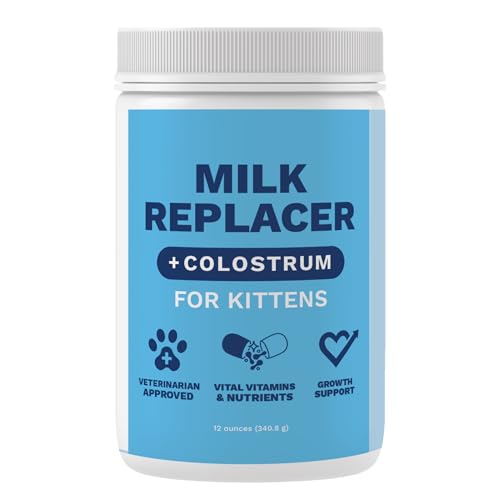
Features: Complete mother’s milk substitute with colostrum for early immune support. Fortified with bovine colostrum and designed for sensitive digestion with easily digestible milk proteins and fats.
Best for: Kittens needing immune system support or those with digestive sensitivities. Suitable for orphaned or underweight kittens needing a trusted immune boost.
Caution: Colostrum-based formulas may be more sensitive to some stomachs; monitor for any signs of digestive upset in the first feeding days.
KMR Goat’s Milk Kitten Milk Replacer Liquid

Features: Liquid kitten milk replacer made with whole goat’s milk and a fiber blend for digestion. Provides complete nutrition with vitamins, minerals, and trace nutrients for newborn kittens up to six weeks old.
Best for: Kits that prefer liquid formulas for easier mixing and potentially smoother feeding schedules. Choose this if you want a ready-to-feed format with a goat’s milk base.
Caution: Liquid formulas can spoil if not refrigerated after opening; follow storage directions precisely to avoid spoilage.
KMR Kitten Milk Replacer Powder

Features: Powdered formula with prebiotics, probiotics, and vitamins. Closest to mother’s milk in protein, fat, and carbohydrates; designed for newborn to six weeks with easy digestion and improved gut health.
Best for: Kittens needing a powder formula that emphasizes digestive health and immunity. Best for households wanting a familiar “KMR” style option with added gut support.
Caution: Prebiotics and probiotics are beneficial, but introduce gradually if mixing with other foods or transitioning from bottle to solid food.
Nutri-Vet Milk Replacer For Kittens

Features: Milk replacement powder with essential protein, fat, carbohydrates, vitamins, and probiotics (Opti-Gut) for healthy digestion and growth. Also noted as suitable for pregnant, nursing, and senior cats in some descriptions.
Best for: Kittens needing practical nutrition with gut-supportive probiotics. Choose this if you want a veterinarian-recommended option with gut health emphasis.
Caution: Some labels note broad suitability; verify kitten age range to ensure it matches newborn-to-six-week feeding needs.
Buying Guide
What should I look for in a kitten milk replacer?
Key factors include protein, fat, and carbohydrate balance close to natural cat milk, digestibility, presence of probiotics or prebiotics, and immune-supporting ingredients like colostrum or taurine. Consider whether you need a powder or liquid form based on your feeding routine and storage options.
Which formula is best for immune support?
Formulas with colostrum or added antibodies provide additional immune support for vulnerable kittens. If a kitten is orphaned or has a weaker immune system, a product like Under the Weather Milk Replacer or milks with colostrum can be advantageous.
How do I prepare and store powdered formulas?
Powdered formulas require precise mixing with the correct water temperature and ratio. Use clean, warm (not hot) water, mix thoroughly, and feed promptly. Store unused powder in a cool, dry place; discard any prepared mixture that isn’t used within the recommended time.
Liquid formulas—pros and cons?
Liquid formulas are convenient for quick feeding and can be easier to digest for some kittens. They may require refrigerated storage after opening and shorter shelf life after opening compared to sealed powder.
How do I choose between goat’s milk and cow’s milk bases?
Goat’s milk bases can be gentler on some kittens’ digestion and may be preferred for easier digestion. Cow’s milk-based products can be suitable for many kittens; choose based on your kitten’s tolerance and any veterinary guidance.
How to transition to solid foods?
Introduce moistened weaning foods gradually around four weeks, while continuing milk replacer as needed. Observe appetite, stool consistency, and weight gain to guide the transition pace.
FAQ
-
Can I use human baby formula for a kitten?
No. Human baby formula is not formulated for feline needs and can cause digestive issues. Use a purpose-built kitten milk replacer formulated to support growth.
-
How often should a newborn kitten be fed?
Typically every 2-4 hours, including nighttime feeds. Adjust frequency based on kitten age, weight, and veterinary guidance.
-
Is it safe to mix milk replacer with water at room temperature?
Yes, most products are designed for room temperature water, but always follow the product’s mixing instructions for exact ratios and temperatures.
-
When should I switch from kitten milk replacer to solid food?
Begin offering moistened or soft solids around four weeks and gradually reduce milk replacer as the kitten accepts more solid foods, under veterinary guidance.