When flying with a baby, protecting delicate ears from loud, sudden noises is essential. The top picks below target infants and toddlers riding in airplanes, trains, or crowded events. Each option highlights who it’s best for, why it was chosen, and practical cautions to consider. This guide helps parents decide which ear muffs are best for travel, naps, and overall comfort during flights or noisy outings.
| Product | Best For | Key Benefit |
|---|---|---|
| Alpine Muffy Pink | Babies up to 36 months | Adjustable, soft padding for sleep |
| 2-in-1 Baby Ear Muffs (Elan Baby) | Newborns to 36 months | Two headband options for comfort |
| Alpine Muffy Green | Babies up to 36 months | Same protection with different color |
| Nuby Soft Sounds | Infants 12+ months | 25 dB protection with soft fit |
| MAMAZING 25dB Ear Muffs | 3–48 months | Neatly adjustable with memory foam |
Alpine Muffy Baby Ear Protection Pink

Best for sleep and quiet comfort during flights or events. Alpine Muffy Baby provides multi-layered foam and soft padding to reduce noise without hard edges. It fits babies up to 4 years with an adjustable headband, making it a long-term travel companion. Designed to protect hearing while preserving ambient sound for awareness, it’s especially suitable for parents prioritizing sleep quality on noisy journeys.
Who it’s for: parents seeking a reliable, adjustable ear protection for infants and toddlers with a focus on sleep during travel or busy environments. Why chosen: strong safety design, adjustable fit, and targeted sleep benefits. Caution: ensure proper sizing for a snug, comfortable seal around the ears to avoid gaps.
Alpine Muffy Baby Ear Protection Green
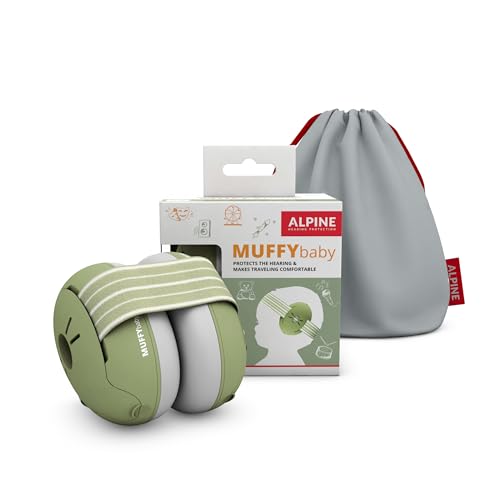
Best for consistent protection across development. This green variant shares the same CE/ANSI-certified design, offering adjustable, safe earmuffs with layered foam and soft padding. Ideal for families who want a reliable, growth-friendly option that grows with the child up to 48 months. It supports better sleep during flights and reduces exposure to loud events.
Who it’s for: families who prefer a color option with identical protective features. Why chosen: durability and grow-with-child design. Caution: check fit as babies grow and adjust headband for optimal seal and comfort.
Alpine Muffy Baby Ear Protection Blush

Best for stylish yet practical baby ear protection. The blush variant delivers the same protective performance as the pink and green versions with adjustable, soft components designed for gentle contact with a baby’s head. It is suitable for air travel, fireworks, and other loud events where hearing safety matters.
Who it’s for: parents who want consistent protection with a color option. Why chosen: uniform protection with a pleasant color choice. Caution: ensure the headband remains comfortable during long wear periods to prevent slipping or discomfort.
Nuby Soft Sounds Baby Ear Muffs Pink

Best for simple, everyday ear protection. Nuby Soft Sounds provides up to 21 dB reduction with a comfortable, non-slip adjustable headband. Lightweight padding helps prevent irritation during extended wear in airplanes, concerts, and fireworks. The design emphasizes gentler pressure on delicate baby heads while ensuring stable fit.
Who it’s for: parents seeking lightweight, straightforward protection for babies 12 months and up. Why chosen: balanced noise reduction and comfort. Caution: 21 dB protection is moderate; for very loud environments, additional layers of protection may be beneficial.
funbliss Noise Cancelling Headphones For Kids

Best for a slim, pressure-free design when the baby head is sensitive to traditional earmuffs. These 3–36 month headphones use a clip-on design to reduce head pressure while delivering 25 dB of noise reduction. They are suitable for travel, sleep, and festivals where a lightweight option is preferred. Material quality aims for comfort and safety during extended wear.
Who it’s for: families who want a low-pressure option with reliable noise cancellation. Why chosen: reduces discomfort from tight bands and provides solid protection. Caution: clip-on design may be less secure for very active babies; ensure a gentle fit to avoid slipping.
MAMAZING 25dB Baby Ear Muffs
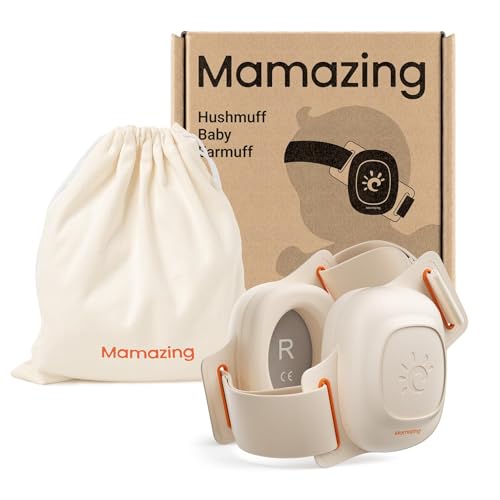
Best for a robust, grow-with-me solution. The MAMAZING earmuffs offer 25 dB of noise reduction with CE and ANSI approvals. A memory-foam cushion and stepless headband adjustment allow a tailored, pressure-minimized fit from 3 to 48 months. Suitable for flights, concerts, or busy city days where a higher protection level is beneficial.
Who it’s for: parents needing certified protection that adapts as the child grows. Why chosen: strong protection with adaptable fit. Caution: ensure the headband remains evenly positioned to maintain a consistent seal around both ears.
Buying Guide: How To Choose The Right Baby Ear Muffs For Flying
- Protection Level: Look for earmuffs that specify decibel reduction (dB). Higher dB protection is better for louder environments but may increase pressure on small heads.
- Fit And Comfort: An adjustable headband and soft padding reduce irritation and keep the earmuffs in place during travel.
- Growth Range: Choose models designed to fit infants through toddlers, typically up to 36–48 months.
- Material Safety: Select BPA-free, non-irritating materials with a gentle seal around the ear to minimize overheating and discomfort.
- Portability: Consider foldable or compact designs and whether a storage bag is included for travel.
- Usage Context: For flights, prioritize models with comfortable padding and secure fit; for concerts or events, higher dB protection may help.
Frequently Asked Questions
- What age should babies start using ear muffs? Ear muffs are commonly used for newborns through toddlers, typically up to 36–48 months depending on the product.
- Do ear muffs block all sound? They reduce loud sounds to a safer level but may not eliminate all ambient noise, allowing parents to monitor their child’s environment.
- Are there safety certifications I should look for? CE and ANSI certifications are common indicators of compliance with safety standards for children’s hearing protection.
- Can ear muffs affect a baby’s hearing development? When used appropriately for loud environments, ear muffs protect hearing without disrupting normal auditory development.
- How do I know if the fit is correct? The earmuffs should sit snugly over the ears without pinching, with headbands easily adjustable to maintain a stable seal.