Finding the right back carrier for a 1-year-old means balancing support, comfort, and ease of use. This guide highlights five top options suited for toddlers 24–48 months, helping you choose the best carrier for daily strolls, travel, and outdoor adventures. Each pick targets common needs: hip-friendly design, adjustable fit for different caregivers, and airflow for all-day wear. The top picks here are best for parents who want ergonomic support, versatile carrying positions, and practical features such as storage, sun protection, and easy transitions from front to back carry. A quick buyer’s table follows the intro.
| Product | Best For |
|---|---|
| Beco Toddler Carrier with Breathable 3D Mesh | Hot climates; front-to-back versatility |
| Infantino Flip 4-in-1 Convertible Carrier | Newbie-to-toddler growth; adjustable for multiple caregivers |
| besrey Baby Backpack Carrier | Outdoor hikes; extended trips with storage |
| Beco Toddler Carrier with Extra Wide Seat | Hip-friendly support; soft cotton feel |
| Bear Baby Carrier | 6 carrying positions; newborn-to-toddler versatility |
Beco Toddler Carrier With Breathable 3D Mesh

The Beco Toddler Carrier with Breathable 3D Mesh supports toddlers aged 24–48 months with a sturdy, back-carry design and two carrying positions. It features breathable microfiber fabric and a 3D mesh panel to improve airflow during warm days. The carrier emphasizes lumbar support for the wearer and comfort for the child, making it a strong pick for parents who need cool, all-day wear in busy seasons. Best for parents who want a front-to-back option with reliable airflow, and a simple, lightweight setup.
Best for: Parents who travel light but still need solid support in hot weather. Choose this for long strolls in summer and frequent back carries. Caution: The fabric may feel less padded than some hybrid carriers, so extended use on very long hikes might pressure the shoulders for larger wearers.
Infantino Flip 4-in-1 Convertible Carrier
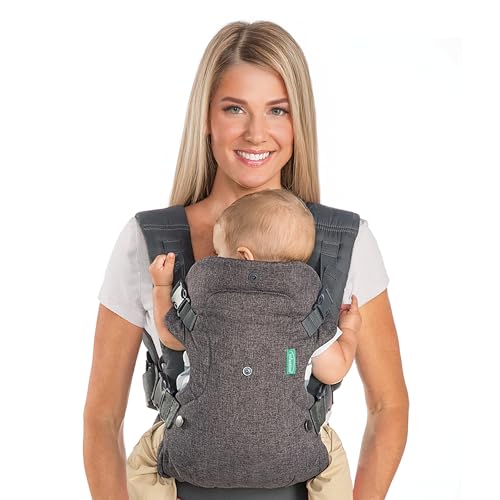
The Infantino Flip 4-in-1 Convertible Carrier offers four carrying positions, including newborn-to-toddler support (8–32 lbs). It emphasizes ergonomic wear with padded shoulders and a wide waist belt to distribute weight and reduce strain. It’s adjustable for different caregivers, making it a practical choice for families with multiple adults. Best for: first-time parents or caregivers seeking a budget-friendly, adaptable carrier that grows with baby. Caution: Newborn use requires careful positioning and gradual transition to back carry as baby grows.
Besrey Baby Backpack Carrier

The Besrey Baby Backpack Carrier is a hiking-ready option with a safety 5-point seat belt system, detachable sunshade, and foldable frame. It provides ample storage space in pockets and a storage bag for packing essentials. The carrier is designed to keep the toddler secure and comfortable with flexible straps and sitting aids. Best for: parents planning outdoor adventures or longer trips where extra storage and sun protection matter. Caution: Heavier frame may feel bulky for shorter trips in crowded city environments.
Beco Toddler Carrier With Extra Wide Seat

This Beco model uses 100% cotton for a soft, skin-friendly feel and an extra-wide seat to promote healthy leg positioning. It’s designed for toddlers 24–48 months and features a back panel that supports longer wear. A built-in zippered bag, detachable hood for shade, and an accessible pocket enhance practicality. Best for: parents prioritizing hip-healthy design and cotton comfort. Caution: May not vent as aggressively as mesh-based models in very hot climates.
Bear Baby Carrier (6-in-1)

The Bear Baby Carrier offers six carrying positions from newborn to toddler, including ergonomic hip-seat configurations that support leg alignment and spine health. It emphasizes load distribution with adjustable straps and belts to balance the wearer’s load. Best for: families seeking long-term versatility in a single carrier and those who value multiple carrying methods. Caution: Some users may find setup and adjustments more involved than simpler designs.
Buying Guide: Key Considerations For Choosing a Back Carrier
What age and weight range should you target? For a 1-year-old, look for carriers that support roughly 24–48 months and up to about 40 pounds, with ergonomics that protect hips and spines. Consider carrying positions you’ll use most—back carry for hands-free activity, front carry for quick walks, and transitions between caregivers.
- Hip-Healthy Design: Ensure the carrier supports ergonomic leg positioning and an even weight distribution to minimize back strain.
- Fit and Adjustability: Look for adjustable shoulder straps, waist belts, and torso length so multiple caregivers can wear comfortably.
- Material and Breathability: Mesh panels and breathable fabrics help keep both wearer and child cool during longer outings.
- Supportive Details: Features like lumbar support, back panels, sun shades, and pockets can add practical value for daily use.
- Portability and Storage: Consider whether you’ll need a built-in hood, foldability, or extra pockets for wipes, bottles, and keys.
How to Use a Back Carrier Safely
Always follow the manufacturer’s weight and height guidelines. Ensure the child’s hips sit in a supported M-position and the airways remain clear. Check straps for snug fit without restricting movement, and periodically reassess as your child grows.
FAQ
- What’s the best carrier for a 1-year-old who hates being carried on the front?
Back carriers with supportive hip seats and easy transition from front to back work well. Look for models with multiple carry positions. - Are these carriers suitable for long outdoor walks?
Yes, especially designs with lumbar support, breathable fabrics, and ample straps to distribute weight evenly. - Can multiple caregivers use the same carrier?
Choose a model with adjustable torso length, waist belt, and shoulder strap adjustments to fit different sizes. - Is a sun shade important for outdoors?
Sun shade helps protect a toddler during sunny day trips and is a valuable feature on longer hikes. - How do I choose between front-carry and back-carry?
Front carries are convenient for newborns and quick transitions; back carries free your hands for longer outings and climbing stairs. - What materials are best for sensitive skin?
Cotton and breathable mesh fabrics are gentle on skin and offer better airflow for comfort.