When selecting tools for special needs children, prioritize items that support sensory regulation, communication, and focus in everyday settings. This guide highlights five carefully chosen products that address varied needs—from fidgeting and calming textures to augmentative communication and educational play. Each entry explains who it’s best for, why it was chosen, and practical considerations to help caregivers pick wisely.
Summary of Selected Products
| Product | Best For | Key Benefit |
|---|---|---|
| Sensory Toys Fidgets for Kids Adults – 4 Pack Stretchy Fidget Toys Bracelets | Autism spectrum, sensory seekers | Textured, wearable fidgets for stress relief |
| WNSIRVY 5 Pack Chair Bands | Students with ADHD/ADD, sensory needs | Quiet, unobtrusive outlet for restless energy |
| Joyreal AAC Device for Autism | Nonverbal communicators, speech therapy | Customizable buttons and voices for essential needs |
| LESONG Sensory Autism Toys 8-Pack | Toddlers to early elementary, tactile explorers | Numerous textures and stretchable play options |
| Travelers, classroom use | Rotational ball design for fine motor and focus |
Sensory Toys Fidgets for Kids Adults – 4 Pack

Product overview: The 4-pack includes stretchy, textured bracelets designed to be worn on the wrist. Each bracelet offers a different texture to provide varied sensory input, making them suitable for a wide age range from toddlers to adults. Materials are described as soft and skin-friendly, with durable stretch for repeated use.
Best for: Autistic children and other sensory-seeking individuals who benefit from discreet, portable fidget tools during classroom activities, commutes, or at home. These bracelets are particularly helpful for improving focus and reducing anxiety through tactile feedback.
Why chosen: The combination of multiple textures in a wearable format supports varied sensory needs in one compact kit. Their discreet design makes them a practical choice for quiet environments where loud toys are discouraged.
Caution: Excessive stretching can eventually reduce elasticity; inspect for tears before use, especially with small children who chew or bite items. Ensure the product remains free of sharp edges or loose parts.
WNSIRVY Chair Bands for Kids

Product overview: A set of stretchable TPE chair bands designed to fit a wide chair width range. The bands are built for durability and quiet operation, minimizing noise during use. They provide a discreet method for children to channel fidgety energy while seated.
Best for: Classrooms and home desks where students with ADHD, ADD, or autism may benefit from a steady outlet for restless energy without distracting others.
Why chosen: Their simple installation and broad compatibility (12–30 inch chair width) make them flexible for different seating arrangements. The low-noise design helps maintain an ordered learning environment.
Caution: Ensure bands are not overstretched beyond recommended limits, which could compromise hold and elasticity. Check for any signs of wear after heavy daily use.
Joyreal AAC Device for Autism

Product overview: An AAC device with 37 pre-installed commands, plus 8 programmable buttons and a male/female voice switch. The device supports recording personalized messages and adjusting volume for varied listening situations. It is designed to aid nonverbal learners and those practicing speech therapy techniques.
Best for: Nonverbal children or adults who benefit from simple, repeatable vocal cues and customized phrases in daily interactions, education, and therapy sessions.
Why chosen: The combination of ready-made prompts and editable buttons offers a practical bridge to more complex communication methods as needs evolve. A portable add-on with a storage bag supports on-the-go use.
Caution: The device requires batteries and may need regular maintenance or replacement of parts like the programmable buttons, depending on use and environment.
LESONG Sensory Autism Toys – 8-Pack

Product overview: An 8-pack of textured, stretchy noodle-like toys designed to stretch, pull, and twist. Each string offers a unique texture and tension, with colors that help attract attention. The set emphasizes sensory stimulation and fine motor development.
Best for: Toddlers to early elementary-age children who need hands-on textures to support focus, anxiety reduction, and imaginative play during class or at home.
Why chosen: The variety of textures and the long stretch potential (up to several feet) enable diverse play scenarios and sensory input levels, which can be adjusted to individual needs.
Caution: Avoid aiming strings at eyes or face; supervise younger children to prevent misapplication or entanglement.
Yrissmiss Autism Sensory Toys
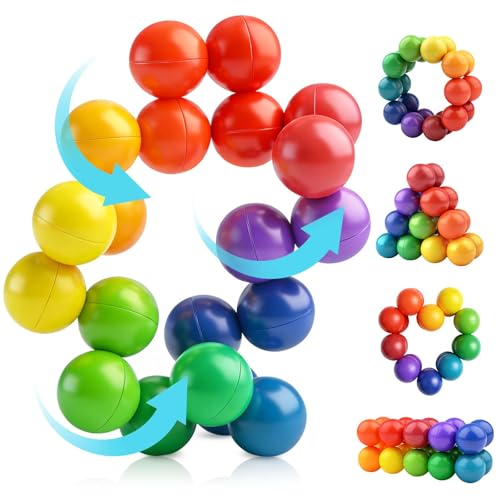
Product overview: A travel-friendly fidget toy set featuring 20 small interconnected balls forming various shapes. The design emphasizes visual appeal with multiple colors and rearrangeable structures, supporting fine motor skills, color recognition, and problem-solving.
Best for: Children and adults who travel frequently or need quiet, portable activities to stay engaged in calm corners, classrooms, or waiting areas.
Why chosen: The rotating, connectable design encourages creativity and cognitive development without producing loud noise, making it suitable for shared spaces.
Caution: Not intended for unsupervised use with very young children who might chew or swallow small parts; supervise to prevent choking hazards.
Buying Guide: Key Considerations For Choosing Sensory Tools
- Intended user: Match tools to age, sensory profile, and communication needs. For nonverbal users, AAC devices can be essential; for sensory seekers, fidget bracelets and stretchables may be better.
- Durability and materials: Look for skin-friendly, non-toxic materials that withstand frequent handling and stretching. Check for washability where applicable.
- Portability and discreetness: Portable items support use in classrooms, vehicles, and public spaces without drawing unwanted attention or causing disruption.
- Ease of use and adaptability: Choose devices with simple operation and adjustable features (volume, programmable buttons, or multiple textures) to grow with the user’s needs.
- Safety and supervision: Use age-appropriate products and supervise use to avoid choking hazards or misuse, especially with small parts or long cords.
FAQ: Quick Answers For Buyers
- What type of sensory tool is best for a classroom setting? – Quiet, durable items like chair bands and textured fidget toys minimize disruption while providing focus aids.
- Are AAC devices suitable for very young children? – Yes, if they offer basic, accessible phrases and simple programmable options tailored to the child’s needs.
- Can fidget toys replace structured learning activities? – They should complement, not replace, learning; they help manage energy and support attention during tasks.
- Are travel-friendly toys effective for anxiety relief? – Yes, compact, non-noisy options support consistent use in travel and waiting areas.
- How do I choose between texture-based toys and color-based toys? – Texture supports tactile input and calming effects; color can aid visual attention and cognitive tasks like sorting.
- Do these products require batteries or special maintenance? – Some devices may require batteries or periodic maintenance; follow product instructions for best results.