Answering the question: which gas drops work best for a one-week-old baby, and why these options are suitable. This guide highlights infant-friendly simethicone drops that are commonly used to relieve gas and tummy discomfort in newborns. It is best for new parents seeking gentle, pediatrician-friendly relief that fits with feeding schedules. The top picks below explain who each product is best for and why it was selected, with clear considerations to help you compare quickly.
| Product | Best For |
|---|---|
| MYLICON Infants Gas Relief Drops (1 oz) | Newborns and Up; frequent dosing at feeds |
| Mommy’s Bliss Gas Relief Drops (1 oz) | Newborns up to infants; safe for daily use |
| MYLICON Gas Relief Drops (0.5 oz) | Travel or short-term use; compact bottle |
| MYLICON Gas Relief Drops (1 oz, Original Formula) | Infants needing steady relief; widely recommended |
| GeriCare Infants Gas Relief Drops (1 oz) | Gentle, pediatrician-guided relief |
MYLICON Infants Gas Relief Drops (1 oz)

Features: Mylicon is a pediatrician-recommended brand known for gentle relief of infant gas. It speeds the baby’s natural process of passing gas and reduces pressure and discomfort. Safe for use with all infants, including newborns, and can be used at every feeding, up to 12 times daily as directed.
Best for: Parents seeking a widely trusted, gentle option that fits multiple feedings and early newborns. Why selected: It has long-standing pediatric endorsements and a simple dosing approach that aligns with typical feeding schedules. Caution: Use only as directed and monitor for any unusual reactions—stop if symptoms worsen or persist beyond typical gas discomfort.
Mommy’s Bliss Gas Relief Drops (1 oz)

Features: A fast and safe simethicone-based formula that breaks up gas bubbles in the baby’s tummy to provide relief. Safe for newborns (0 months+). The bottle includes a dropper for direct administration into the mouth, or can be mixed with cool water, breastmilk, or formula.
Best for: Parents who want a simple, easy-to-use dropper and a product labeled suitable for newborns. Why selected: It combines ease of administration with a well-known brand in baby digestion. Caution: Some infants may respond better to other formulas; discontinue if irritation occurs or if symptoms persist beyond typical gas discomfort.
MYLICON Gas Relief Drops (0.5 oz)

Features: Gently breaks down baby gas bubbles to relieve discomfort. Smaller bottle size makes it convenient for travel or short-term needs.
Best for: Parents who want a compact option for quick, on-the-go relief. Why selected: It maintains the same core active ingredient and gentle approach while reducing bottle size. Caution: Check daily dosage limits to avoid exceeding recommended amounts when using multiple products.
MYLICON Gas Relief Drops (1 oz, Original Formula)

Features: Original Mylicon formula; pediatrician-recommended, gentle relief of infant gas. Safe for use with newborns and can be used at every feeding, up to 12 times daily as directed.
Best for: Families familiar with Mylicon seeking a trusted, established option. Why selected: It’s the standard for many clinicians and caregivers. Caution: Ensure dosing aligns with feeding schedules to avoid overuse within a 24-hour period.
GeriCare Infants Gas Relief Drops (1 oz)
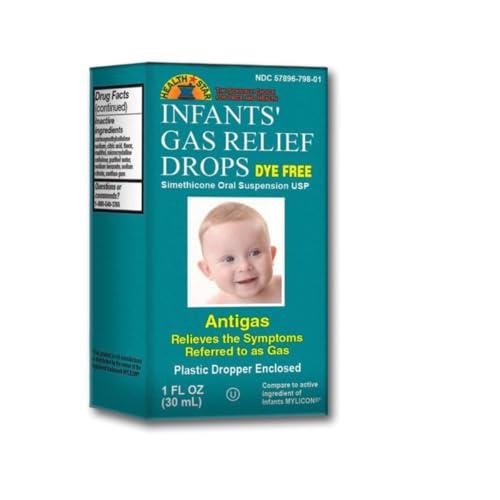
Features: Simethicone-based drops designed for fast relief of gas bubbles in an infant’s stomach. Pediatrician-recommended and easy-to-administer with a dropper for precise dosage control.
Best for: Parents seeking a pediatrician-guided option with a straightforward dosing method. Why selected: It emphasizes safety and quick relief, suitable for newborns through infants. Caution: Always verify dosage with a pediatrician, especially when combining with other treatments.
Buying Guide
What to consider when choosing gas drops for a 1-week-old
- Active ingredient: Most infant gas drops use simethicone to break gas bubbles. This is generally considered safe for newborns when used as directed.
- Age suitability: Confirm the product is labeled for newborns and adheres to dosing guidelines for babies at least a week old.
- Dosing and administration: Look for a dosing dropper or easy direct-application format. Ensure you understand how often you can use the product daily.
- Brand confidence: Pedriatrician-recommended or well-known baby brands may offer additional reassurance for first-time parents.
- Safety precautions: Check for and follow any cautions, including stopping use if symptoms persist or worsen beyond typical gas discomfort.
How to compare products quickly
- Best for newborns and frequent feeds: Choose a product with clear newborn labeling and a dosing schedule that fits feeding times.
- Travel-friendly options: A smaller bottle (0.5 oz) may be convenient for quick trips or to test tolerance.
- Gentle, single-ingredient formulas: If you want a straightforward option, select products emphasizing a single active ingredient and simple dosing.
- Brand familiarity: If you prefer a brand with pediatrics backing, consider those with long-standing professional endorsements.
Practical usage tips
- Administer after or between feeds as directed to help minimize potential gas buildup.
- Keep a log of dosing to ensure you stay within recommended daily limits.
- Monitor your baby’s response and consult a pediatrician if gas symptoms persist beyond a few days or if you notice feeding or sleeping disruptions.
FAQ
- Are gas drops safe for a one-week-old? Yes, when used as directed and labeled for newborns, simethicone-based drops are commonly considered safe for newborns.
- How often can I give gas drops to my newborn? Follow the product’s directions, typically multiple doses per day aligned with feeds, but do not exceed the recommended maximum per 24 hours.
- Can I mix gas drops with breast milk or formula? Some products allow mixing with liquids; check the label and consult a pediatrician if unsure.
- What if gas relief doesn’t occur? If symptoms persist beyond a few days, or if the baby shows persistent discomfort, fever, or feeding issues, seek pediatric advice.
- Should I try multiple brands? It’s reasonable to test a single, newborn-approved option first. If relief is not achieved, consult a pediatrician for alternatives.
- Is there a risk of overusing gas drops? Yes. Overuse can occur if dosing guidelines are ignored. Always adhere to the recommended amount and frequency.