When choosing bottle nipples for a breastfed baby, the goal is to mimic the feel and flow of breast milk to support a comfortable latch and natural feeding rhythm. This guide highlights five options suited to newborns and growing infants, focusing on slow or breast-like flows to reduce nipple confusion and air intake. Each option targets a different caregiver need, from anti-colic features to latch-supportive designs. The buyer types addressed include first-time parents seeking easy latch, parents managing reflux or gas, and caregivers needing hospital-grade or mom-approved options.
Summary table of chosen products
| Product | Best For | Key Benefit | Notes |
|---|---|---|---|
| Lansinoh NaturalWave Extra Slow Flow XS | Newborns; latch development | Wide base, soft silicone; reduces air intake | Anti-colic AVS system |
| Tommee Tippee Natural Start Nipples | Breastfed transitions; easy latch | Breast-like shape; natural latch | Soft silicone; extra slow flow |
| Pigeon Silicone Nipple (SS) with Latch-On | Newborns needing guidance on latch | Latching curve guides correct latch | Anti-colic venting |
| Dr. Brown’s Natural Flow Level T Narrow | Newborns needing very slow flow | Hospital-inspired anti-colic design | Newborn slow flow; hospital familiarity |
| Abbott Similac Component Nipple System | Standard comfort and transition | Latex-based; familiar feel for transition | Infant-compatible nipple/ring set |
Lansinoh NaturalWave Extra Slow Flow XS Nipple
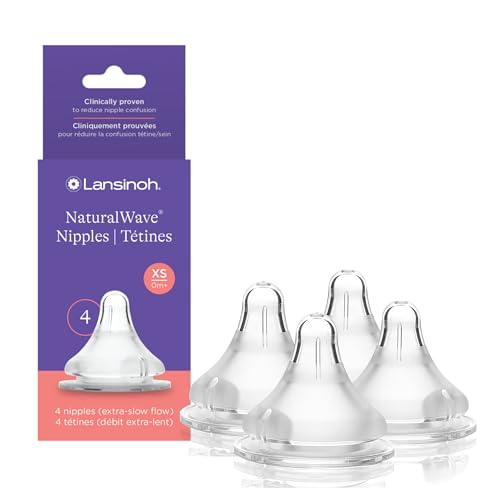
The Lansinoh NaturalWave nipple is designed to support a baby’s oral development with a wide, textured base and a gentle slope. The ultra-soft silicone adjusts with baby’s sucking, helping secure a comfortable latch and a steady feeding pace. Its Advanced Airflow System minimizes air intake, which can help reduce colic and gas. Best for newborns and early feeders who benefit from a natural latch and slower milk flow. Choose this if you want a nipple that prioritizes ease of latch and reduced air swallowing in the earliest weeks.
- Best for newborn latch support and reduced air intake
- Anti-colic venting to limit spit-up and gas
- Soft, flexible silicone that mimics natural breast feel
Potential limitation: While designed to minimize air, some babies may still require flow adjustments as they grow or if their feeding rhythm changes.
Dr. Brown’s Natural Flow Level 2 Nipple (Medium Flow)

The Dr. Brown’s Level 2 nipple is positioned for growing babies who still need controlled flow, paired with an anti-colic internal vent system. The Level 2 nipple supports a consistent flow rate and closer-to-breast feeding, which can help babies feed at their own pace without significant interruptions. Best for babies transitioning from newborn to more substantial milk intake while still prioritizing a calmer feeding experience. Choose this if you want a proven anti-colic design with a reliable flow for older newborns.
- Best for growing babies needing a steadier pace
- Anti-colic internal vent reduces spit-up and gas
- Consistent vacuum-free feeding approximates breastfeeding
Caution: For some infants, Level 2 may be too fast during early weeks; monitor latch and flow to maintain comfort.
Pigeon Silicone Nipple (SS) With Latch-On Line

The Pigeon silicone nipple features a latch-on line and a newborn-friendly super slow flow. Its latch-on curve is designed to guide baby’s mouth into the right position for effective suction, while the anti-colic venting helps minimize swallowed air. Best for newborns who benefit from structured latch guidance and reduced air intake. Choose this when you want a nipple that emphasizes baby’s latch mechanics and gas reduction.
- Best for latch guidance and newborn compatibility
- Anti-colic vent design to minimize gas
- Breastlike feel with a focus on proper latch
Limitation: Some babies may prefer other shapes; observe comfort and switch if latch or flow seems off.
Abbott Similac Component Nipple System

The Abbott Similac nipple system offers a familiar-feel nipple and ring option designed for infants transitioning between breast and bottle. It uses latex material and is produced in the United States. Best for caregivers seeking a standard, familiar-feeling nipple as a bridge between breastfeeding and bottle feeding. Choose this if your priority is a reliable, easily sourced nipple with a straightforward design.
- Best for simple transition without complicated features
- Latex material commonly tolerated by many babies
- Part of a broader Similac feeding system
Limitation: Latex sensitivity may be a concern for some babies or parents; verify material compatibility for your child.
Buying Guide: How To Choose The Right Nipple For A Breastfed Baby
Assess your baby’s feeding needs to determine the best nipple. Consider flow rate, latch design, anti-colic features, and material. The right nipple should support a comfortable latch, minimize air intake, and align with your baby’s development stage.
What flow rate does my breastfed baby need?
Newborns typically benefit from extra slow or slow flow nipples to mimic breastfeeding pace. As babies grow and gain stronger suckling, you may transition to levels that maintain a steady flow without causing fussiness or choking.
Why is latch guidance important?
Nipples with latch-on lines or wide bases can help babies latch correctly, reducing nipple confusion and promoting a natural feeding rhythm. Look for designs that resemble the breast’s shape and transition smoothly between bottle and breast.
Which anti-colic features matter?
Anti-colic vents or internal vents reduce swallowed air, potentially reducing spit-up and gas. These features can be especially beneficial for infants with sensitive stomachs or reflux concerns.
What materials should I consider?
Silicone nipples are common due to their softness and durability. Some brands use latex, which can be a consideration for babies with material sensitivities. Check for BPA/BPS-free labeling for safety and peace of mind.
How should I test a nipple choice?
Start with a known newborn-friendly option and observe latch ease, feeding pace, and comfort. If the baby shows signs of excessive gulping, coughing, or gas, consider trying a slower or different shape that better matches their mouth dynamics.
Practical tips for long-term use
- Match nipple size and flow to your baby’s development; avoid forcing a pace that is faster than their comfort.
- Keep multiple options on hand during growth spurts or illness when feeding patterns change.
- Maintain clean, sanitized nipples according to manufacturer guidelines to prevent nipple irritation and ensure safety.
How do these options compare for breastfed babies?
The Lansinoh and Tommee Tippee options emphasize latch-friendly, breast-like design and slow flow to mimic breastfeeding. Pigeon and Dr. Brown’s Level T provide structured latch support and slow flow, ideal for newborns who need a calm feeding pace. Abbott’s Similac nipple system offers a familiar-feel option for a straightforward transition. The best choice depends on your baby’s latch, flow tolerance, and whether anti-colic features help reduce discomfort during feeds.
Frequently Asked Questions
- What nipple is best for a baby new to bottle feeding? – Nipple designs that emphasize a natural latch, such as wide bases with soft silicone and slow flow, are typically best for a newborn transitioning from breast to bottle.
- Do anti-colic vents really help with gas? – They can reduce swallowed air, which often lowers spit-up and gas for many babies, though effects vary by infant.
- Is latex safer than silicone? – Silicone is generally preferred for its durability and low allergen risk; latex may be an option for some but can cause allergies.
- Should I switch nipples as my baby grows? – Yes. Gradually adjust flow rate to match your baby’s increasing suck strength and feeding pace.
- Are hospital-grade nipples necessary at home? – Not always; many home-use nipples provide similar anti-colic benefits and latch support without clinical settings.
- Can I mix nipple brands? – It’s acceptable to mix brands, but observe for differences in latch, flow, and comfort, and switch if your baby struggles with a new nipple.