When feeding a tongue-tied baby, the focus is on smooth latching, comfortable flow, and minimized air intake. The following picks emphasize slow or adjustable flow, anti-colic features, and designs that support easier oral development. This guide is best for caregivers seeking nipples that help reduce fussiness, encourage steady feeding, and suit newborn to early infancy stages.
| Product | Best For | Why It Stands Out |
|---|---|---|
| Lansinoh NaturalWave Extra Slow Flow | Newborns, tongue-tied or latch-challenged babies | Wide base, flexible nipple, AVS anti-colic tech |
| Dr. Brown’s Level T Narrow | Newborns needing very slow flow | Hospitals use, anti-colic vent, reduces spit-up |
| Dr. Brown’s Preemie Flow Narrow | Preemies or feeding-difficulty infants | Very slow flow, vacuum-free, anti-colic |
| MAM Slow Flow | Newborns preferring breast-like latch | SkinSoft silicone, easy acceptance, anti-colic |
| Similac Infant Nipples | Ready-to-feed bottle users, latex-free | Disposable, simple, gentle flow for sensitive feeders |
Lansinoh NaturalWave Extra Slow Flow Nipples
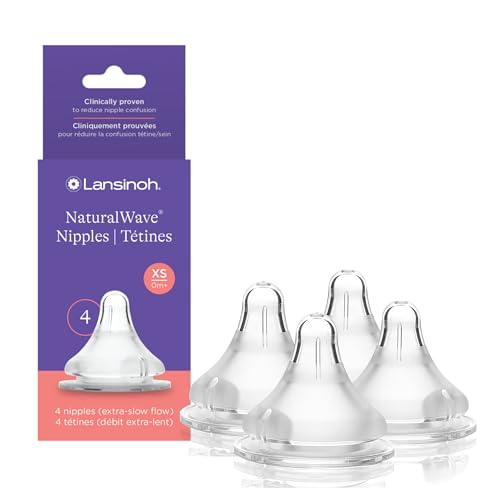
Best for: Babies who need careful pacing and a secure latch. The Lansinoh nipple features a wide, textured base and a gentle slope to help with latch and oral development. The ultra-soft silicone mimics natural feeding and supports baby-led feeding by allowing the nipple to stretch with sucking. It uses an Advanced Airflow System to minimize air intake, reducing colic and gas. Choose this if you want a nipple that promotes a steady flow while protecting developing mouth and teeth.
Why selected: The combination of a secure latch, flexible tip, and anti-colic airflow makes it well-suited for tongue-tied or latch-challenged babies. Best for parents seeking a gentle transition from breastfeeding to bottle feeding, with a focus on reducing air intake.
Caution: Some babies may prefer a different flow; verify that the XS size fits your bottle system and baby’s feeding pace.
Dr. Brown’s Level T Narrow Nipple

Best for: Newborns who require a slower flow and reliable anti-colic support. The Level T Narrow Nipple is designed for babies needing a slower pace than standard Level 1. It’s used in hospitals and NICUs for feeding difficulties, offering a clinically proven anti-colic vent system that reduces spit-up and gas.
Why selected: This option is a strong choice for tongue-tied babies who benefit from a controlled flow and reduced air ingestion during feeds. It provides a smooth transition from hospital settings to home use.
Caution: Not all bottles are fully compatible with Level T nipples; confirm compatibility with your current bottle system.
Dr. Brown’s Preemie Flow Narrow Nipples

Best for: Very small or preterm babies who feed slowly and need minimal vacuum. The Preemie Flow Narrow Nipple is the slowest flow option, designed to help babies feed at their own pace with a consistent flow. It includes an anti-colic vent system to reduce spit-up and gas.
Why selected: The slow, steady flow paired with anti-colic features makes it particularly suitable for tongue-tied infants who need careful pacing and reduced air intake. It offers a reliable path for gradual feeding development.
Caution: Preemie-level nipples may be too slow for some newborns; monitor feeding pace and adjust as needed.
Similac Infant Nipples And Rings

Best for: Babies using ready-to-feed bottles with latex-free materials. Similac’s disposable nipples focus on easy setup and straightforward use, ideal for caregivers seeking simplicity without compromising comfort.
Why selected: Latex-free nipples provide a safe option for babies with sensitivity, and the disposable design can be convenient for on-the-go feeding or quick replacements. They are simple to pair with ready-to-feed bottles for a gentle flow.
Caution: They are disposable; ongoing use requires regular replacement.
Abbott Similac Component Nipple System

Best for: Caregivers using Similac bottle systems who want a familiar, component-based nipple and ring setup. This nipple is part of a broader component system designed to provide an adjustable feeding experience.
Why selected: The compatibility with Similac components means it’s convenient for families already using this brand, and its design supports controlled flow suitable for sensitive feeders.
Caution: Limited to compatible Similac bottle rings; confirm compatibility before use.
(2 Pack) Neogen Ideal Pritchard Nipples

Best for: Niche or transitional feeding needs where a specific nipple flow is sought. The pair provides a compact option for households testing different flow levels.
Why selected: Offers a straightforward choice for experimentation with different flow rates and fits into a variety of bottle systems, aiding caregivers exploring what works best for tongue-tied babies.
Caution: Data on this product is minimal; verify compatibility with your bottle and ensure the flow is appropriate for your baby’s pace.
Buying Guide: Key Purchase Considerations
- Flow pace: Tongue-tied babies often benefit from slower flows to maintain a steady pace and reduce choking risk. Look for “slow,” “level T,” or “preemie” options.
- Anti-colic features: Venting systems (AVS or internal vents) help minimize air intake, reducing spit-up and gas—important for sensitive feeders.
- Nipple design: A wide base and flexible tip can support better latch and oral development. Consider textures that mimic natural breastfeeding.
- Material and safety: Silicone nipples are common and BPA/BPA-free. Latex-free is important for sensitive babies; verify certifications and material notes.
- Compatibility: Confirm bottle compatibility (threads, rings, and vents) to ensure a proper fit and avoid leaks.
- Special needs: For preemies or babies with feeding difficulties, prioritize ultra-slow flow and proven anti-colic designs.
Frequently Asked Questions
- What nipple flow is best for tongue-tied babies?
– Slower flows (level T, preemie flow, or extra slow) are generally better to support controlled pacing and latch, reducing feeding stress. - Do anti-colic vents help tongue-tied babies?
– Yes, by reducing air intake, vents can minimize gas, spit-up, and discomfort, which supports smoother feeds. - Can I mix nipples from different brands?
– It’s possible if bottle threads and vent systems are compatible; otherwise leaks or poor performance may occur. - Is silicone safer than latex for nipples?
– Both are commonly used; silicone is typically more durable and latex-free options are available for sensitive babies. - Should I choose a preemie flow nipple for a full-term newborn?
– If the baby feeds slowly or has latching challenges, a preemie or ultra-slow flow can be beneficial to prevent overfeeding and gas. - How many nipples should I keep on hand?
– A small set across several flows (slow, extra slow, and preemie) can help you match your baby’s current pace as feeding evolves.