Finding the right glasses for a 3-year-old means balancing safety, comfort, and eye protection. This guide highlights five top picks designed for toddlers and preschoolers, focusing on unbreakable frames, lightweight materials, and effective blue light or UV protection. Each option targets common needs: blue-light protection for screen time, polarized sun protection for outdoor days, and flexible frames for active kids. This article helps caregivers choose the best fit for different scenarios, from indoor learning to sunny outdoor adventures.
Buyer quick reference table
| Product | Best For | Key Benefit |
|---|---|---|
| Pro Acme Blue Light Blocking Glasses for Kids | Indoor use, screen time | Unbreakable frames; strong blue-light protection |
| HXS Kids Sunglasses 2-Pack (Black & Blue) | Outdoor sunny days | Lightweight; adjustable strap; UV protection |
| FANNYGO 2 Pack Blue Light Blocking Glasses | Indoor and light outdoor use | Two color options; blue light protection |
| Geborilma Toddler Flexible Frame Glasses | First pair experience, flexible wear | Flexible, durable; prescription-ready frame |
| HXS 2-Pack Polarized Toddler Sunglasses (Pink & Beige) | Outdoor play, sun protection | Polarized lenses; adjustable strap |
Pro Acme Blue Light Blocking Glasses for Kids
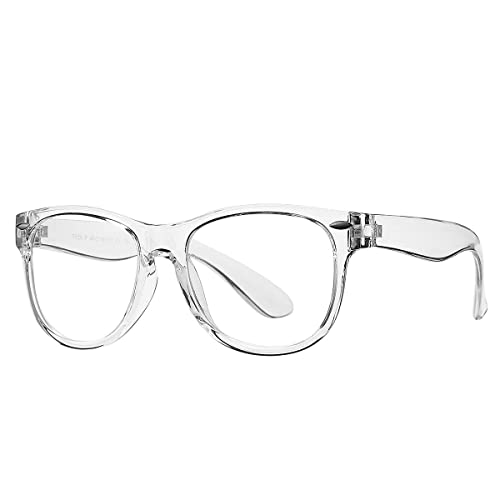
What it is best for: children aged 3–12 needing blue-light protection during screen time. This option is ideal for kids who use tablets or TVs and spend time on digital devices at home or in classrooms.
Why selected: The frame is described as unbreakable and bendable, offering comfort and durability for active toddlers. The lenses claim high blue-light blocking capability and UVA/B/C protection, with no tinted distortion to vision.
Who it’s best for: caregivers seeking a sturdy, lightweight pair for daily indoor use with strong blue-light filtering, without color distortion.
Limitations to note: The data emphasizes blue-light and UV protection; real-world fit depends on a precise sizing check for your child’s head and face shape.
HXS Kids Sunglasses 2-Pack Polarized Toddler Sunglasses with Strap

What it is best for: outdoor sunny days for toddlers aged 2–4, with a focus on sun and glare reduction.
Why selected: The pair includes adjustable straps and a lightweight frame (about 13g), making them less likely to slip off during play. Polarized lenses and UV protection help shield young eyes from intense sunlight.
Who it’s best for: families who want an outdoor-ready option with reliable eye protection and a secure fit for active toddlers.
Limitation: While designed for younger children, fit can vary; ensure the strap length suits your child’s head and adjust as needed.
FANNYGO 2 Pack Blue Light Blocking Glasses For Kids

What it is best for: dual-day use for both indoor screen time and light-use outdoors, with two color options in the pack.
Why selected: The kit provides budget-friendly blue-light protection for a first pair or backup options, with simple styling suitable for both girls and boys.
Who it’s best for: parents looking for value and versatility for a child who spends time in front of screens and occasionally outdoors.
Limitation: The product description emphasizes color options; details on exact lens technology and UV filtering are not specified beyond blue-light blocking.
Geborilma Toddler Flexible Frame Glasses

What it is best for: a first-pair experience where flexibility and durability matter most. The frame is designed to bend and flex, with a size suitable for toddlers aged 2–4 years.
Why selected: The frame is described as soft and secure, with prescription-ready potential since it uses demo lenses that can be swapped at an optical store to match the child’s vision needs.
Who it’s best for: families considering long-term use as a child’s glasses evolve to prescription needs, or those prioritizing a forgiving frame for active play.
Limitation: Frame-only purchase means you’ll need a separate prescription lens option if vision correction is required.
HXS 2-Pack Polarized Toddler Sunglasses with Strap (Pink & Black)

What it is best for: outdoor play with a focus on glare reduction and eye protection for toddlers aged 2–4 years.
Why selected: The set includes a strap and a lightweight design, with UV-protective polarized lenses to guard sensitive eyes from strong sunlight.
Who it’s best for: families seeking a fashionable, secure outdoor option for active toddlers who enjoy outdoor adventures and water play.
Limitation: As with other toddler shades, fit can vary; verify strap length and temple width to ensure proper coverage and comfort.
Buying Guide: How to Choose the Right Glasses for a 3-Year-Old
- Protection level: Indoors, blue-light blocking can reduce digital eye strain; outdoors, UV or polarized lenses provide better sun protection and glare reduction.
- Durability and fit: Look for unbreakable or flexible frames with soft materials and adjustable straps for active toddlers.
- Weight and comfort: Lightweight frames reduce pressure on the nose and ears; choose models with comfortable bridge padding.
- Prescription readiness: If vision correction is needed later, consider frames that can accommodate prescriptions without extensive modification.
- Age-appropriate design: Fun colors and kid-friendly styles improve wear time and reduce fuss at dressing time.
- User tips: Always measure head size and check the temple length; ensure the glasses sit securely without pinching.
FAQ
- Do toddlers really need blue-light blocking glasses? For children who spend substantial time in front of screens, blue-light blocking can help reduce eye strain and improve comfort during extended screen use.
- Are polarized sunglasses better for toddlers? Polarized lenses reduce glare and improve contrast, making them a good choice for outdoor activities and sun-heavy environments.
- What if my child breaks the glasses easily? Choose frames described as unbreakable or highly flexible, and look for adjustable, secure straps for active kids.
- Can these frames be used with prescription lenses? Some models are designed to accept prescription lenses; others are frame-only and require replacement lenses at an optical store.
- What is a safe fit for a 3-year-old? Aim for frames that sit comfortably on the nose with temples resting behind the ears without pinching, and ensure the lenses cover the eye area without exceeding the width of the child’s face.
- How many pairs should I consider? Having one primary pair for daily wear and a backup pair for outdoor activities can help keep glasses accessible and reduce loss or damage.