Answering the common search query, these straw cups are designed to ease the bottle-to-cup transition for babies and toddlers. They’re organized to fit different ages, grip styles, and spill-resistance needs. This guide highlights options best for early learners, kids needing help with hand coordination, or parents seeking mess-minimizing designs. The following table compares the five chosen products at a glance.
| Product | Best For | Key Benefit | Age Range |
|---|---|---|---|
| Dr. Brown’s Milestones Baby’s First Straw Cup (Dark Blue) | First-time straw users, early toddlers | Weighted straw for versatile sipping | 6 months+ |
| Munchkin Gentle Transition Honey Bear Straw Cup | Very young drinkers, quick straw introduction | Squeezable design to encourage sipping | 6 months+ |
| Tommee Tippee Starter Weighted Straw Cup (Pink & Purple, 2-pack) | Learning to drink from any angle, multi-pack for convenience | Weighted straw and easy-hold handles | 6 months+ |
| The First Years Squeeze & Sip Toddler Straw Cups | Toddlers needing simple squeeze-to-actuate flow | Valve-controlled straw for spill control | 6 months+ |
| Olababy Silicone Training Cup with Straw Lid | Young toddlers, transition-focused caregivers | Non-slip base and pediatric-friendly silicone | 6 months+ |
Dr. Brown’s Milestones Baby’s First Straw Cup — Dark Blue

Best for: parents seeking a true first straw cup with a weighted straw that moves with liquid, aiding in sip direction. The soft silicone weighted straw supports learning to sip from any angle. Side-grip handles aid early grip and can be removed as child progresses. Cautions: ensure proper cleaning to avoid straw residue and monitor for wear on the weighted stem.
Munchkin Gentle Transition Honey Bear Straw Cup
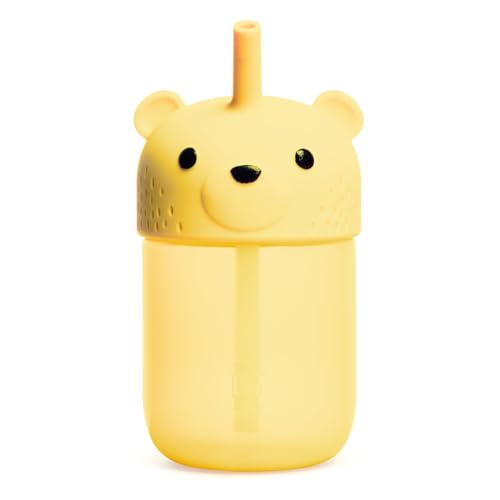
Best for: babies and toddlers who respond well to tactile cues; the squeezable design helps initiate sipping while teaching control. The squeezable action makes it easy for caregivers to demonstrate sipping. Limitation: not ideal for completely hands-off use, since control comes with squeezing.
Tommee Tippee Starter Weighted Straw Cup (Two-Pack)

Best for: caregivers seeking value and variety in one package; the soft weighted straw allows sipping from various angles, and the two-pack supports multiple feedings or travel. Caution: check the antimicrobial claim in the features for understanding its scope.
Dr. Brown’s Milestones Coral Straw Cup

Best for: a color-variant option from the same milestone line, offering the same weighted straw and easy-grip design. Use this if you prefer coral color or want to match siblings’ cups. Limitation: design and features are similar to the dark blue variant, so consider color preference first.
The First Years Squeeze & Sip Toddler Straw Cups

Best for: households wanting a simple squeeze-to-sip mechanism with a straightforward design. The 7 oz size fits small hands, and the valve helps prevent spills. Caution: not a hands-free sipper; some learning stages may require continued supervision.
Olababy Silicone Training Cup With Straw Lid
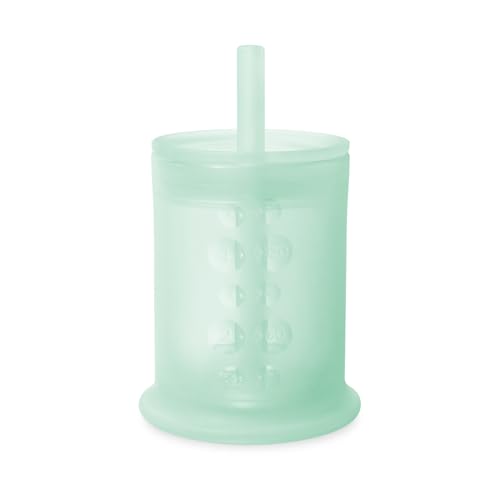
Best for: parents prioritizing a high-purity silicone cup with a straw lid and a non-slip base. The wide weighted base provides stability on surfaces, making it suitable for on-the-go use. Limitation: silicone cups can be slightly more prone to staining from highly pigmented drinks, so consider usage patterns.
Buying Guide
What features matter most for an “easiest” straw cup?
Weighted silicone straws help drinking from any angle. Removable or adjustable handles support varying grip abilities as babies grow. Anti-spill valves and non-slip bases reduce mess. Look for BPA-free materials and easy cleaning patterns to minimize maintenance.
Which design suits early straw learners?
Products with squeezable bodies or weighted straws (like Munchkin Gentle and Tommee Tippee Starter) are ideal for quick transition. They provide clear cues that sipping triggers liquid flow, aiding early coordination.
What about age and growth?
Choose cups with removable handles or stability features to adapt to a child’s changing grip strength. Starter sets or two-packs can cover growth phases and reduce the number of replacements needed.
Are there any safety or cleaning considerations?
Ensure the cup uses BPA-free silicone or safe plastics. Removable valves should be easy to clean to prevent residue buildup. Inspect weighted straws for signs of wear, and replace when needed to maintain reliable sipping control.
How to compare for best value?
Compare whether the cup includes value-added features like a two-pack, a color choice, and a design that supports mess reduction. Consider ease of cleaning, age suitability, and whether the cup can transition into a regular drinking cup as the child grows.
Practical tips for use
- Wash before first use and regularly inspect the straw for wear.
- Demonstrate sipping with the cup at a gentle angle to show how liquid flows.
- Use with age-appropriate beverages and avoid overly thick liquids that can clog valves.
FAQ
- Q: What age should my child use a straw cup?
- A: Most straw cups are suitable from around 6 months, depending on your child’s development and readiness.
- Q: Are weighted straws better?
- A: Weighted straws help liquids move with the cup’s tilt, making it easier to sip from various angles.
- Q: How do I prevent leaks?
- A: Look for anti-valve or spill-proof designs and ensure the cap and lid close securely.
- Q: Can these cups be used for travel?
- A: Yes, many models feature non-slip bases and compact shapes suitable for on-the-go use.
- Q: How do I clean straw cups?
- A: Dismantle the straw and valve, rinse with warm soapy water, and allow to air dry to prevent mold.