When you’re recovering from surgery, keeping wounds and dressings dry is essential. The right cast cover or leg sleeve can prevent moisture exposure, reduce infection risk, and make showers safer and more comfortable. This guide highlights five reliable options suitable for different needs, from arm covers to leg protectors, helping you choose the right one for your recovery stage and body type.
Buyer focus:
– Arm injuries or bandages: look for flexible silicone, breathable skin-friendly materials, and adjustable sizing.
– Leg injuries or bulky casts: seek durable, watertight seals and easy-on designs.
– Post-surgery care: prioritize soft, non-irritating materials and accurate sizing guidance.
| Product | Best For | Key Benefit |
|---|---|---|
| EuyiHlybt Cast Covers for Shower Arm | Arm casts and bandages | 100% waterproof silicone seal; universal sizing |
| CureSquad Cast Covers for Shower Arm | Arm injuries of various sizes | High water resistance; broad arm fit |
| Quiheat Waterproof Leg Cast Cover | Leg casts and bulky immobilizations | Leak-proof seal; non-slip, durable silicone |
| Tideshake Waterproof Leg Cast Cover | Leg casts for showers and water activities | Easy on/off; reuse-friendly with no tape needed |
| Asunby Cast Covers for Shower Arm (Extra Long) | Long-arm protection | Extra long, adjustable sizing; skin-friendly neoprene |
EuyiHlybt Cast Covers for Shower Arm

Best for: adults with arm casts or bandages seeking a lightweight, skin-friendly solution. Why selected: 100% waterproof silicone forms a tight seal around the arm to protect wounds and bandages without constricting blood flow. The enlarged aperture helps accommodate a variety of arm sizes. Limitation: may require careful sizing after full wrapping of bandages or plaster to ensure a leak-proof fit.
CureSquad Cast Covers for Shower Arm
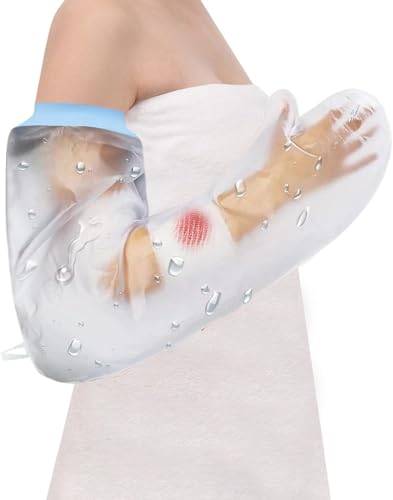
Best for: users needing a versatile arm cover with a broad size range. Why selected: high water resistance with a universal size scheme that fits most men and women, reducing the risk of water reaching wounds. Limitation: measurements indicate an arm circumference range; selecting too small or too large may affect seal effectiveness.
Quiheat Waterproof Leg Cast Cover

Best for: leg injuries requiring a secure, durable seal during showers. Why selected: non-slip design and high-grade silicone provide a leak-proof coverage for calves, ankles, or wounds. Limitation: size guidance emphasizes measuring the leg circumference to ensure a proper fit across different leg shapes.
Tideshake Waterproof Leg Cast Cover

Best for: users who want an easy-to-wear leg protector for showers or water activities. Why selected: automatically snug silicone seal with no need for tapes or straps; designed to be simple to apply and remove. Limitation: may stretch over bulky casts; check fit if the cast changes size during healing.
Asunby Cast Covers for Shower Arm (Extra Long)

Best for: individuals needing additional length for full arm coverage after casting. Why selected: adjustable sizing (10″–21″ circumference) and extra-long dimensions help accommodate larger or wrapped arms. Limitation: measure directly after casting; arm circumference can be larger when bandaged, so choose size with this in mind.
Buying Guide: Cast Covers For Bathing
What should you consider before buying a cast cover or leg sleeve?
- Seal quality: Look for medical-grade silicone or latex-free materials that create a watertight seal without restricting circulation.
- Size and fit: Measure the relevant limb after any wrapping, bandages, or plastering. Choose a size that accommodates swelling and bandages.
- Ease of use: Prefer designs that slide on easily, without needing tape or complicated fasteners.
- Durability and reuse: Reusable options save money; ensure the material resists tearing with regular showers.
- Comfort and skin safety: Skin-friendly materials minimize irritation and prevent strangulation marks after long wearing periods.
How to choose between arm versus leg covers?
- Arm covers are typically lighter and more flexible, suitable for bandaged forearms and elbows. Choose these if you need quick access to the surface of the arm for dressing changes.
- Leg covers are often sturdier with longer lengths to cover bulky casts. They are better for showers or baths where leg casts might be submerged or exposed to moisture.
Care tips: After use, rinse with clean water to remove soap residue, air dry away from direct heat, and store flat to avoid deformation.
Frequently Asked Questions
- Do cast covers keep water out effectively?
- How do I know which size to pick?
- Can I use cast covers for swimming?
- Are these suitable for latex-sensitive users?
- What maintenance steps lengthen the life of a cover?
Yes, most models use a silicone seal to block water at the limb’s opening, reducing moisture exposure to wounds and dressings.
Measure the limb circumference after any wrapping or casting. If between sizes, lean toward the larger option to ensure comfort and a snug seal.
Some designs are marketed for water activities; verify the product description and fit for extended exposure to water.
Many products use latex-free silicone or neoprene; check material lists to avoid latex if sensitivity is a concern.
Rinse after use, air dry completely, avoid stretching beyond recommended sizes, and store flat to prevent warping.