Stage 1 foods are designed for babies who can sit with support and are ready to start solids. This guide highlights five on-the-go, nutritious options that balance convenience with wholesome ingredients. Each product is suited to parents seeking simple, early-exposure foods for babies four months and up. The top picks emphasize no artificial flavors or colors where noted, and offer protein, iron, or vitamin benefits to support early development. Below, compare options, identify who each product is best for, and note practical cautions.
Summary of chosen products
- Gerber Stage 1 Veggie Variety Pack Puree Tubs
- Beech-Nut Meat Baby Food Jars, Chicken & Chicken Broth Puree (Stage 1)
- Beech-Nut Organic Apple Puree (Stage 1)
- Happy Baby Organic Stage 1 Sweet Potatoes
- Gerber Banana Puree Tubs (Stage 1)
Gerber Stage 1 Veggie Variety Pack Puree Tubs

Best for quick, on-the-go feeding with a mix of vegetables. This Stage 1 option targets parents who want a variety pack in a portable tub format, designed for babies who can sit with help and are ready to start solids. The product emphasizes nutritious ingredients and convenience for busy families.
Who it’s best for: caregivers seeking a simple veggie-forward starter set without mixing foods. Why selected: wide veggie variety helps expose babies to different flavors in a single purchase. Caution: tubs may not provide iron or protein in the amount some parents want, so plan to add other iron-rich options over the day.
Beech-Nut Meat Baby Food Jars, Chicken & Chicken Broth Puree (Stage 1)

Best for babies needing a protein-rich option early in life. These Stage 1 jars combine real pureed chicken with chicken broth, delivering 7g of protein per jar. They are dairy-free, gluten-free, and free from artificial preservatives, colors, or flavors. This is suitable for families avoiding dairy and seeking a savory puree.
Who it’s best for: babies who benefit from higher protein intake and savory flavors. Why selected: clear protein source supports fullness and early development. Caution: not ideal if you require dairy or soy-free profiles beyond dairy-free; always check for other allergen considerations.
Beech-Nut Organic Apple Puree (Stage 1)

Best for parents prioritizing organic, non-GMO ingredients. This Stage 1 organic apple puree is made with certified organic ingredients and contains no artificial additives. It is dairy-free and gluten-free, making it a versatile option for babies with simple, clean dietary needs.
Who it’s best for: families seeking organic, non-GMO first foods. Why selected: organic certification supports a clean ingredient profile. Caution: purees may be fruit-forward with less protein or iron; pair with other iron-rich foods across meals.
Happy Baby Organic Stage 1 Sweet Potatoes

Best for introducing a natural, mildly sweet vegetable option. This product is organic and focuses on whole-food sweet potato puree, suitable for babies starting solids. It fits parents who want a straightforward veggie puree without added flavors or sweeteners.
Who it’s best for: babies who respond well to gentle, naturally sweet vegetables. Why selected: organic certification and simple ingredients align with clean-eating goals. Caution: lacks protein content; supplement with iron- and protein-rich foods during meals.
Gerber Banana Puree Tubs (Stage 1)
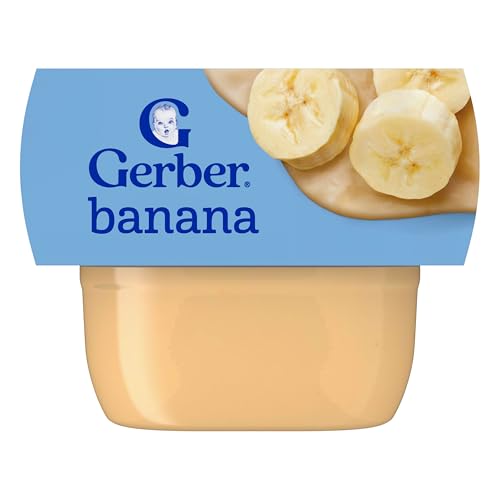
Best for babies new to solids who enjoy fruit flavors. These banana puree tubs are convenient for on-the-go feeds and provide a gentle transition from liquids to solids. They highlight convenience and baby-friendly ingredients, suitable for a first fruit option.
Who it’s best for: babies exploring fruit-based textures and tastes. Why selected: banana puree is a common first fruit that pairs well with other textures. Caution: monitor for any sensitivity to fruit acids and combine with iron-rich foods to support overall nutrition.
Buying Guide
Key considerations when choosing Stage 1 baby foods include: ingredient quality, allergy concerns, texture, and convenience. The following questions help clarify which option matches your baby’s needs.
What should I look for in Stage 1 purees?
- Simple ingredients with no added sugars or artificial flavors where possible.
- Iron, vitamin C, or protein content to support early development.
- Appropriate textures for babies who can sit with support.
Organic or conventional: does it matter?
- Organic options reduce exposure to pesticides and GMOs, beneficial for parents prioritizing organic labels.
- Conventional options often offer a wider price range and variety; check ingredient lists for additives and allergens.
How to combine foods for balanced meals?
- Pair fruit-based purees with iron-rich staples like meats or fortified cereals when appropriate.
- Offer a variety across the day to expose your baby to different flavors and textures.
- Watch for signs of intolerance and adjust choices accordingly.
Packaging and portability
- On-the-go tubs are convenient for travel and feeding outside the home.
- Glass jars can be a fragrance-sensitive choice for some families, while tubs may be lighter and easier to handle.
How to read labels for safety
- Avoid added sugars, salts, artificial colors, or flavors when possible.
- Check allergen statements and the state of packaging (intact seal, no leaks).
FAQ
- When can my baby start Stage 1 foods? Stage 1 foods are typically introduced once babies can sit with help or support and show readiness for solids, usually around 4 months and up, depending on development.
- Are Stage 1 foods suitable for babies with allergies? Look for single-ingredient options and consult with a pediatrician before introducing potential allergens.
- Is organic always better for Stage 1 foods? Organic options reduce exposure to pesticides and GMOs, but conventional options can also be nutritious if they have simple ingredient lists without additives.
- What nutrients should I prioritize in Stage 1 meals? Iron, vitamin C, and healthy fats are helpful to support growth and development; pair purées with complementary foods when appropriate.
- How should I store opened Stage 1 purées? Follow label directions; generally refrigerate and use within a few days after opening to maintain freshness.
- Can I mix flavors or textures? Yes, gradually mixing flavors and textures helps babies adapt to new tastes and develops palate diversity.