Looking for a straw cup suitable for a 6-month-old? This guide highlights top options that support an easy bottle-to-cup transition, with weighted or soft silicone straws to help babies sip from any angle. Each pick targets different needs—ease of grip, spill resistance, and future growth—so you can choose the best match for your infant or toddler. Below, you’ll find concise why-it-works notes, ideal-user tips, and a practical buying table to compare key details at a glance.
| Product | Best For | Notable Feature | Cap / Grip |
|---|---|---|---|
| Dr. Brown’s Milestones 9 oz (Coral) | Diversifying drinks; growing with baby | ||
| The First Years Squeeze & Sip 7 oz (3 pack) | Transition training; multiple kids or days out | ||
| NUK Learner 5 oz (2-pack) | Stepping from bottle to straw cup | ||
| Tommee Tippee Starter Weighted Straw (8 oz) | Angle drinking; 6 months and up | ||
| Munchkin Gentle Transition (9 oz) | Beginner straw training; gentle on gums |
Dr. Brown’s Milestones Baby’s First Straw Cup, 9 oz (Coral)

Best for: parents seeking a familiar bottle-to-cup transition with a durable weighted straw. This cup’s soft silicone straw moves with the liquid, letting baby sip from any angle. The contoured cup and removable side-grip handles support early grip as skills develop. A potential drawback: the 9 oz capacity may be larger than some infants’ early intake, so monitor amounts during the first weeks of use.
The First Years Squeeze & Sip Toddler Straw Cup, 7 oz (3 Pack)
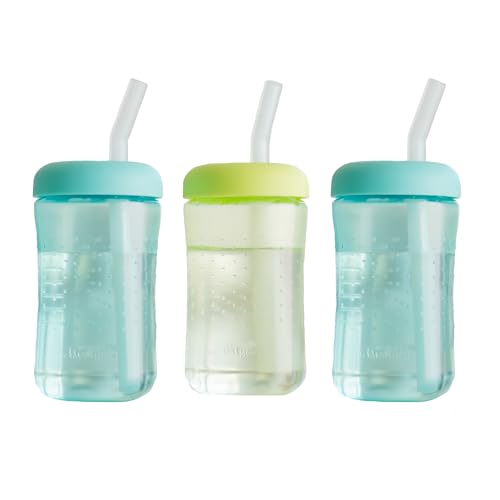
Best for: families wanting a cost-efficient, multi-pack solution for training multiple children or everyday use. Its squeeze-and-sip design with a valve helps control flow to reduce spills. The cups transition well into regular toddler cups, but the valve mechanism may require occasional cleaning to prevent buildup.
NUK Learner Straw Cup, 5 oz (2-Pack)

Best for: parents who want a compact starter cup with a weighted straw and straightforward design. The straw follows liquid to support sipping from various angles, and removable handles help babies grow into a secure grip. Caution: smaller 5 oz capacity may require more frequent refills for longer day outings.
Tommee Tippee Starter Weighted Straw Cup, 8 oz

Best for: caregivers seeking a 6-month readiness cup with antimicrobial features and a comfortable weighted straw. Its anti-valve design reduces leaks during travel. Consider: some users may prefer a larger or smaller capacity depending on feeding patterns.
Buying Guide: Key Considerations For Straw Cups At 6 Months
Transition readiness varies by child. When choosing a straw cup, consider the infant’s gum development, grip strength, and daily drinking needs. Weighted straws help with sip direction, while easy-grip handles support early motor skills. Capacity should align with typical intake and age, and valve or anti-leak designs matter for mess reduction during travel.
What features matter most for a 6-month-old?
- Weighted silicone straw that follows liquid
- Soft, gum-friendly materials
- Removable handles for growth with the child
Which cup supports growth from bottle to straw?
Cups with removable handles and a contoured body, plus a straw that moves with the liquid, offer the best long-term use as the child develops sipping technique.
Spill resistance and cleaning ease
Valve-based designs can minimize leaks, but ensure parts are easy to disassemble for thorough cleaning to prevent residue buildup that could affect flow and hygiene.
Who should choose a 5 oz vs 9 oz cup?
Smaller capacities suit younger infants who take smaller sips, while larger cups better support longer days or more active toddlers who drink more per session.
Frequently Asked Questions
- What age is best for introducing a straw cup?
Most babies start around 6 months, when they’re ready to practice sipping independently. - Are weighted straw cups harder to clean?
They may require more attention during cleaning due to additional nozzles or valves, but many parts are dishwasher-safe. - Can straw cups replace bottles entirely?
Straw cups are for transitioning; some babies continue using bottles for milk feeds while others prefer cups over time. - What should I do if my child misses the straw?
Practice sessions with small sips and positive reinforcement help build confidence and skill. - How to prevent leaks in travel cups?
Look for anti-leak designs and ensure all seals are correctly installed; avoid overfilling to reduce spills.
In short, the best straw cup for a 6-month-old depends on your child’s grip, sipping ability, and your family’s daily routine. The options above balance ease of use, growth potential, and mess management to support a smooth bottle-to-cup transition.