Finding a pacifier that supports natural tongue position can help infants with tongue tie by encouraging proper mouth formation and reducing tongue fatigue. The top picks below are designed to mimic breast-like shapes, promote healthy oral development, and minimize disruption to feeding. Best for newborns and young infants who are learning to latch or transitioning between feeding and soothing.
Buyer-friendly quick reference:
| Product | Best For | Why It Stands Out |
|---|---|---|
| Evenflo Balance Plus Stage 1 | Newborns to 6 months | Cylinder design supports natural tongue position during soothing. |
| NUK Simply Natural Pacifier | Breastfed babies and beginners | Breast-like shield and silicone nipple for skin-like feel. |
| NUK 100% Silicone Comfy Orthodontic | Newborns to 6 months | Orthodontic shape aids healthy oral development. |
| MAM Comfort Pacifier | Smaller mouths, newborns | Lightweight, one-piece design; orthodontic shape. |
| Oralwise Breathe Pacifier | Growth-aware pacifier use | Designed to mimic natural breastfeeding development. |
Evenflo Balance Plus Stage 1 Cylindrical Pacifier

The Stage 1 cylinder shape is designed to promote a natural tongue position during self-soothing. Best for 0-6 month infants who are learning latch patterns and need comfort that aligns with early feeding cues. This option supports breastfed feeding by allowing the tongue to cup the nipple more naturally. A potential limitation is that some babies may need a different size as their mouth grows.
NUK for Nature Simply Natural Pacifier

Designed to feel and flex like mom’s breast, with a silicone shield and nipple for a soft, skin-like sensation. This makes it a solid choice for babies who are adjusting to tongue tie considerations, especially for those who prefer a breast-like experience during soothing. Best for breastfed infants or babies who benefit from a familiar texture. Limitation: the feel may take some babies a moment to acclimate to if transitioning from other shapes.
NUK 100% Silicone Comfy Orthodontic Pacifiers

Orthodontic nipple shape is designed to promote healthy oral development, which is important for tongue tie considerations. Shaped for newborns with a breast-like nipple fit that can align with a baby’s palate as it grows. Best for parents seeking orthodontic support with a silicone, all-in-one design. Caution: Some babies may prefer a different firmness or texture, so consider testing a few options.
MAM Comfort Pacifier 0-3 Months
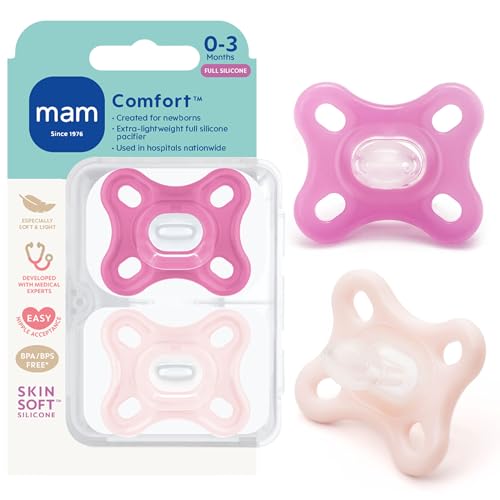
Designed for smaller newborn mouths, this lightweight one-piece silicone pacifier is orthodontically shaped to support natural tongue positioning. Developed with input from orthodontal professionals, which may help with tongue movement and comfort during soothing. Best for breastfed babies needing a gentle, compact option. Limitation: The 0-3 month size may require switching as the baby grows.
Garkoko Baby Pacifiers 0-6 Months

Breast-like shape and one-piece design reduce choking hazards and support easy cleaning. The silicone is skin-like and BPA-free, suitable for newborns who are navigating tongue movement during feeding. Best for value-conscious shoppers wanting two pacifiers per pack. Caution: Some babies may prefer a different texture or firmness.
Oralwise Breathe Orthodontic Pacifier
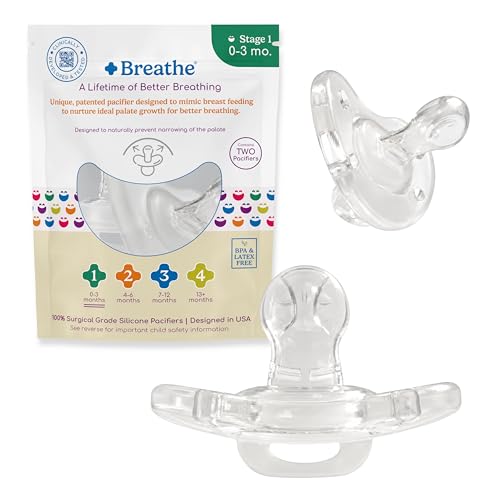
Patented design aims to mimic natural breastfeeding development of the palate and facial structures. Developed with pediatricians and orthodontists, it emphasizes growth-focused sizing across four options. Best for infants where tongue and palate development is a concern, with clear guidance on progression. Limitation: May require careful sizing to match growth spurts.
Buying Guide: Key Considerations for Tongue Tie and Pacifiers
- Tongue position support: Look for a pacifier with a shape that encourages the tongue to rest naturally and a nipple that resembles a breastfed latch.
- Orthodontic design: Orthodontic nipples can help guide proper oral development and minimize potential tongue resistance as babies grow.
- Material and safety: Silicone is common for its durability and skin-like feel. Ensure BPA-free, medical-grade materials and a one-piece design when possible to reduce choking risks.
- Size and age range: Choose a size appropriate for the baby’s age. Some options offer multiple sizes to match growth and tongue development.
- Cleaning and maintenance: One-piece designs are easier to clean and sterilize, reducing hygiene concerns for tongue tie considerations.
- Breastfeeding compatibility: If the baby is breastfed, select pacifiers that support latch technique and reduce nipple confusion.
Frequently Asked Questions
- What makes a pacifier good for tongue tie?
- Should I choose a one-piece pacifier?
- Can pacifier use affect tongue tie treatment?
- Is silicone better than other materials for tongue tie concerns?
- How many pacifiers should I have on hand?
- When should I transition to a different pacifier size?
A pacifier that supports natural tongue position and features a shape that mimics breastfeeding can help with tongue movement and palate development. Orthodontic designs are often recommended for tongue tie considerations.
Yes, one-piece designs reduce choking hazards and simplify cleaning, which is beneficial for babies practicing tongue movement and soothing.
Pacifier use should be discussed with a pediatrician or lactation consultant if tongue tie affects feeding. Pacifiers are for soothing and should not replace feeding cues or latch practice when breastfeeding is the focus.
Silicone provides a skin-like feel and durable performance, which many parents prefer for consistent tongue contact and ease of cleaning.
Having a few in rotation (sleep, travel, and daily use) helps maintain hygiene and reduces the chance of losing a favorite option during critical learning periods.
Transition timing depends on the baby’s growth. If the pacifier becomes difficult to keep in the mouth or affects feeding, consider trying a larger size or a different shape.