Short answer: soft, ergonomic baby carriers provide secure, comfortable hugs for newborns through toddlers while keeping your hands free. This guide highlights five top options best suited for everyday wear, travel, and bonding moments. The chosen products emphasize hip-friendly designs, breathable fabrics, and easy setup. Ideal buyers include new parents seeking close contact, caregivers needing hands-free versatility, and families prioritizing ergonomic support for long wear.
Summary table of selected products:
| Product | Best For | Key Benefit |
|---|---|---|
| GROWNSY Cozy Newborn Carrier | Newborn to early toddler | Foldable head/neck support and snug wrap feel |
| Momcozy Ergonomic Carrier Khaki | Growing babies, long wear | Three size positions with EVA lumbar support |
| Infantino Flip 4-in-1 | All skill levels, shared wear | 4 positions; adaptable for caregivers |
| Momcozy WeeSnug Newborn | Newborn focus, lightweight | Birth to toddler with adjustable width |
| GROWNSY Newborn to Toddler Houndstooth | Growing comfort, long use | Head/neck fold, three-point support |
GROWNSY Cozy Newborn Carrier

Best for: newborns who need a secure, snug wrap-like feel with quick-buckle convenience. This carrier blends ergonomic support with a soft, breathable fabric for day-long comfort. The foldable head and neck support aids growing infants and simplifies on-the-go use.
Why selected: it combines an ergonomic “M” hip position with a cradle-like wrap, supporting healthy hip development while keeping the baby snug. The design aims to reduce fatigue for caregivers during extended wear.
Limitations: may feel bulkier when not worn in a fully wrapped style; check fit for very petite newborns to ensure head support positioning works as intended.
Momcozy Ergonomic Carrier Khaki

Best for: growing babies from newborn to toddler, with a focus on long-wear comfort. The three adjustable sizing positions support various caregivers and stages.
Why selected: built-in EVA lumbar support plus thickly padded shoulder and waist straps provide ergonomic comfort during extended use, helping reduce back fatigue for parents.
Limitations: may require careful adjustment to achieve the ideal ergonomic seat for very small newborns or very tall wearers.
Infantino Flip 4-in-1 Convertible Carrier
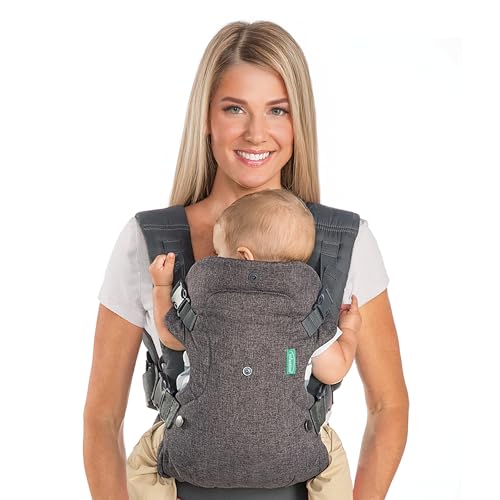
Best for: families needing versatility across stages and positions. This carrier offers multiple wearing options, including front-facing and back carries, suitable for newborns through toddlers.
Why selected: adjustable straps and seat settings accommodate different body types and caregivers, promoting a personalized fit while reducing strain. Suitable for parents seeking a single carrier for diverse activities.
Limitations: some users find the setup a bit intricate initially; ensure proper instruction before first use to maximize comfort and safety.
Momcozy Newborn Carrier WeeSnug

Best for: newborns from 7–25 lbs with a focus on a snug, womb-like feel and easy adjustments as baby grows. The adjustable waistband helps provide a secure fit as the baby gains weight.
Why selected: emphasizes a cradle-like experience with a breathable fabric and ergonomic positioning to support hip and spinal development. The adjustable width helps it grow with the child.
Limitations: the simpler design may offer fewer advanced features compared to multi-position carriers; check if you need more carry options.
GROWNSY Newborn To Toddler Carrier

Best for: a long-term carrier that supports babies from newborn to about 36 months with reliable head support and an ergonomic back design. This option focuses on growth with secure three-point support.
Why selected: features a three-point support system, widened shoulder straps, and EVA waist support to distribute weight evenly, reducing caregiver fatigue across longer wear sessions.
Limitations: may require a more deliberate setup to maximize the ergonomic benefits for each stage of growth.
Buying Guide
What to consider when choosing a soft baby carrier:
- Age and weight range: match the carrier to your child’s current stage while planning for growth.
- Ergonomic support: look for an “M” position for hips and a natural seat to support spine alignment.
- Fabric and breathability: choose soft, breathable materials to prevent overheating during longer wear.
- Adjustability: ensure straps, waistbands, and seat settings adapt to different caregivers and body types.
- Head and neck support: essential for newborns; confirm foldable or integrated supports work with your baby’s size.
- Ease of use: consider how quickly you can secure and remove the carrier, especially for daily routines.
- Care and maintenance: machine-washable fabrics simplify cleaning between uses.
FAQ
- Q: What is the main difference between wraps and structured carriers?
- A: Wraps are fabric-based and conform closely to the body, offering a snug feel; structured carriers provide built-in supports and easier buckling for quick use.
- Q: At what age can I start using a carrier?
- A: Most carriers accommodate newborns once head control is stable; always follow the manufacturer’s weight guidelines and use proper head support.
- Q: How do I know if a carrier is ergonomic for my baby?
- A: Look for in-seat support that keeps the baby’s hips in an M-position and ensure the back is supported while the fabric distributes weight evenly.
- Q: Can I use these carriers for long periods?
- A: Yes, if the carrier has padded straps, a supportive waist belt, and a comfortable fabric; take breaks as needed and avoid prolonged wear on a single posture.
- Q: Are there safety considerations for newborns?
- A: Always ensure airway clearance, head support, and proper positioning; avoid covering the baby’s face with fabric and follow age/weight guidance.