Finding the right baby monitor for SIDS risk reduction means prioritizing real-time alerts, reliable sensing, and ease of use for nighttime parenting. This guide highlights five monitors that focus on breathing, heart rate, movement, and sleep patterns to help caregivers respond quickly. Best for new parents seeking continuous oxygen and heart-rate monitoring; better for caregivers who want non-wearable options or integrated video alongside vital signs.
The following table summarizes the chosen products and who they’re best for. Use it as a quick reference when comparing features and intended use.
| Product | Best For | Key Benefit |
|---|---|---|
| Owlet Dream Sock (Bedtime Blue) | Parents wanting real-time heart rate and oxygen | Wearable sock with alerts to phone/base |
| Sense-U Pro Baby Monitor | On-the-go monitoring with movement, temp alerts | Breathing movement, gentle alerts, clip-on |
| Babysense 7 | Non-wearable, non-contact crib monitoring | Under-mattress sensors for full crib coverage |
| Snuza Hero SE | Diaper-attached movement monitoring | Direct-touch sensor with timers, alarms |
| Owlet Dream Duo | All-in-one with video and sock data | 2K video plus Dream Sock health data |
Owlet Dream Sock Bedtime Blue
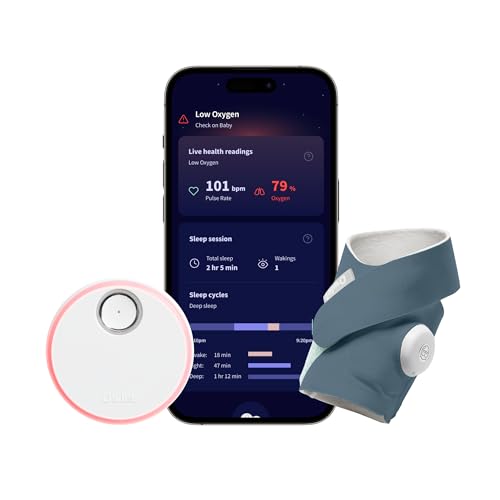
Best for parents who want real-time heart rate and oxygen monitoring for healthy infants 1–18 months. Dream Sock tracks pulse rate and oxygen levels and sends alerts when readings leave preset zones, helping families sleep with more confidence. The system is designed for peace of mind and consistent alerts on both base station and mobile app. Limitations include that it requires a compatible smartphone and may need setup time for accurate zones.
Who it suits: caregivers prioritizing vital-sign monitoring and alert reliability. Selected for its top-seller status in the US market and its direct alert mechanism, which supports quick responses when baby needs attention.
Owlet Dream Sock Mint

Best for parents who want the same heart-rate and oxygen sensing with a different color option. The Mint variant shares the same core features as other Owlet Dream Sock models, including real-time alerts and sleep insights. Caution: color variants may vary in availability, but performance remains consistent across versions.
Sense-U Pro Baby Breathing Monitor

Best for parents seeking breathing movement monitoring with readable alerts and a portable clip-on design. Sense-U Pro tracks abdominal movement and sleep position, with temperature trends and gentle alerts. It’s useful for travel or day-to-day care when a wearable is preferred but you still want reliable movement data. Limitation: relies on consistent placement and may require occasional recalibration for new caregivers.
Babysense 7 Non-Contact Monitor
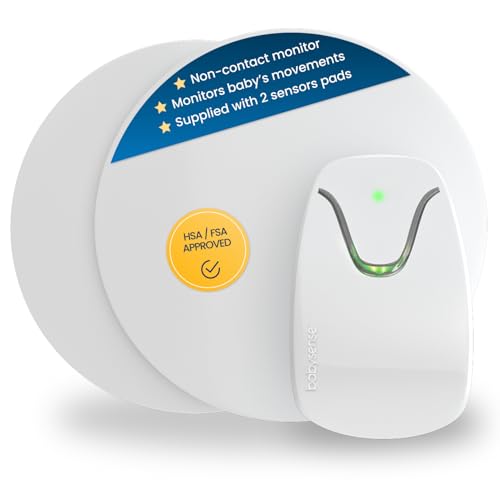
Best for households wanting a non-wearable solution with full-crib coverage. The Babysense 7 uses two under-mattress sensors to detect movement without attaching anything to the baby. It sounds alarms if no movement is detected for 20 seconds or if movement falls below a threshold. Caution: it is non-wearable, so it won’t track heart rate or oxygen levels.
Owlet Dream Duo Gen 3

Best for households wanting an all-in-one setup with 2K video and vital-sign monitoring. The Dream Duo combines the FDA-cleared Dream Sock with a 2K HD Dream Sight camera in one connected app, offering a comprehensive view of health, safety, and sleep. It provides real-time alerts for readings outside preset zones and high-quality video for visual checks. Limitation: video adds another layer of data and cost, which may not be necessary for all families.
Buying Guide: How to Choose the Right Monitor
What kind of monitoring do you need?
- Vital signs only (heart rate and oxygen): Look for wearable options like Owlet Dream Sock that provide real-time alerts.
- Movement and sleep position: Snuza Hero SE or Sense-U Pro offer movement and position tracking with alerts.
- Non-wearable, crib-based monitoring: Babysense 7 provides under-mattress sensors for full-crib coverage without any wearable.
- All-in-one with video: Owlet Dream Duo combines vital signs with 2K video for visual reassurance.
Is wearability important?
- Wearable monitors can offer continuous vital signs but require placement and comfort from the baby’s perspective.
- Non-wearable or under-mattress systems reduce interference but may lack heart-rate data.
How important are alerts and app compatibility?
- Devices should provide reliable real-time alerts on the base station and mobile app to shorten response time.
- Check whether the app consolidates data into easy sleep insights or health trends for quick night-time decisions.
What about video and audio features?
- Video quality, night vision, and wide-angle views help visualize baby safety, especially in dim rooms.
- Audio alerts can supplement visual checks and provide additional reassurance when you’re away from the monitor.
What are practical limitations to expect?
- Some monitors require calibration or have sensitivity settings that influence false alarms.
- Wearables need proper fit; under-mattress sensors depend on mattress type and setup for optimal monitoring.
Frequently Asked Questions
- What is the primary advantage of a wearable monitor like Owlet Dream Sock?
It provides real-time heart rate and oxygen readings with alerts, offering early warning if levels drift outside set zones. - Do non-wearable monitors effectively reduce SIDS risk?
They help by detecting movement or breathing patterns, but they do not provide heart-rate data; use as part of a broader safe-sleep plan. - Can I use more than one monitor at once?
Yes, you can use multiple devices, but ensure alerts are manageable and won’t desensitize caregivers. - Is 2K video necessary for monitoring?
It improves visual clarity, especially at night, but may not be essential for all families depending on space and budget. - How do I choose the right alert frequency?
Start with conservative zones and adjust as you observe your baby’s sleep patterns and your comfort level. - Are these devices safe for newborns and preemies?
Most are designed for healthy infants 1–18 months; always follow manufacturer guidelines and consult a pediatrician if there are health concerns.