Answering the common question, these cups are designed for babies around 7 months old who are starting to transition from bottle feeding to independent sipping. The top picks below focus on spill resistance, easy handling for small hands, and gentle spouts or straws that protect sensitive gums. This guide highlights which cup is best for quick transitions, calmer gums, or for growing toddlers who need a longer-lasting sipping solution. Ideal buyers include parents seeking a smooth bottle-to-cup transition, caregivers aiming to minimize mess, and family households wanting a compact set for travel.
| Product | Best For | Key Benefit |
|---|---|---|
| NUK Learner Cup 6+ Months | New to cups | Soft spout, spill-proof, easy grip |
| Dr. Brown’s Milestones Straw Cup | Straw-transition | Weighted straw for any tilt |
| NUK Learner Cup Fun Fruits | Varied textures | Gentle spout, anti-slip handles |
| Moonkie Training & Sippy Set | Two-in-one learning | Two-in-one design for stages |
| Munchkin Miracle 360 Sippy Cup | Mess-prone households | Spoutless 360 drinking edge |
NUK Learner Cup, 6+ Months (Timeless Collection) – 2 Pack

The NUK Learner Cup is designed to support the bottle-to-cup transition for early sippers. Best for parents seeking a straightforward, spill-resistant cup with a soft spout and easy-grip handles that are removable as a baby grows. The soft spout protects gums while teaching sipping, and the anti-slip handles aid little hands in learning control. A potential limitation is that the handles are removable but not adjustable for all hand sizes, which may affect security for very small fingers.
Dr. Brown’s Milestones First Straw Cup – 9 oz

Best for families introducing straw drinking. This cup features a weighted silicone straw that moves with the liquid, enabling sipping from various angles. Side-grip handles stay easy for little hands, and the cup grows with baby as handles become less critical. A caution: the weighted straw may require occasional cleaning to prevent buildup in the base area where liquid travels.
NUK Learner Cup 6+ Months – Fun Fruits & Animals
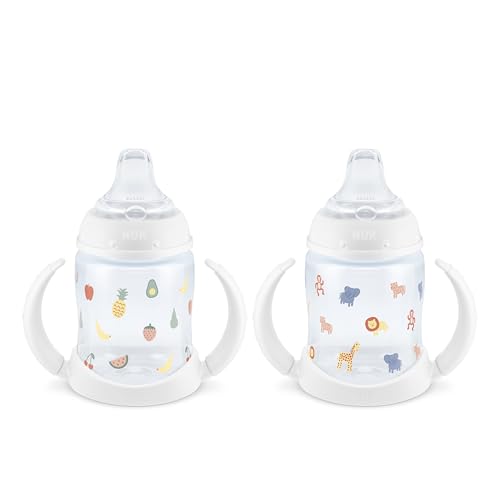
This version adds engaging designs and maintains a soft spout with spill-proof features. It is best for parents who want visual appeal to encourage use and who need the same sturdy, easy-grip handles. Advantage: consistent spill resistance; Limitation: design varies may affect interchangeability with other NUK cups.
Moonkie Training Cup & Sippy Cup Set – Mint
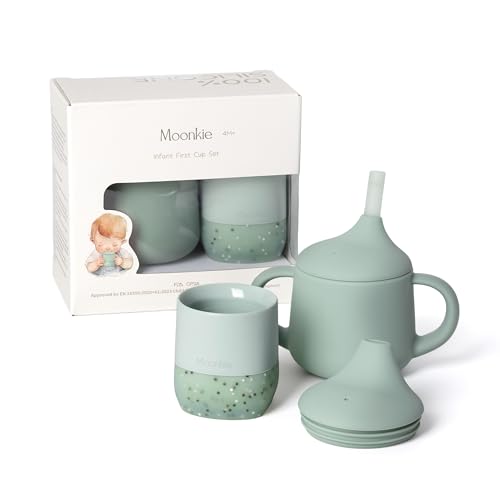
Best for a gradual transition from bottle to independent drinking. Moonkie’s 2-in-1 design supports both sippy and open cup practice, fostering self-feeding skills and oral coordination. Made from baby-safe silicone, it is gentle on gums. Consider: the set may require more pieces to clean than single-purpose cups, which could be a minor maintenance factor for busy caregivers.
Munchkin Miracle 360 Sippy Cup – 7 oz (2 Pack)
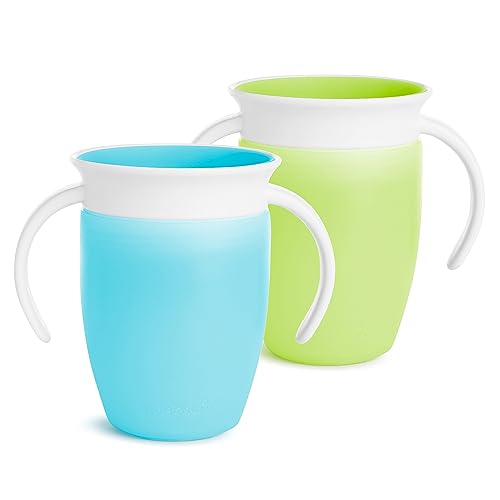
Better for households seeking a spill-proof design with a 360 drinking edge that lets sipping from anywhere around the rim. It requires no spouts or valves, which helps normal mouth muscle development. A limitation: some toddlers may still learn to tilt the cup for leakage if not tightly sealed during transport.
SAMiGO Silicone Sippy Cup with Straw – 6 oz
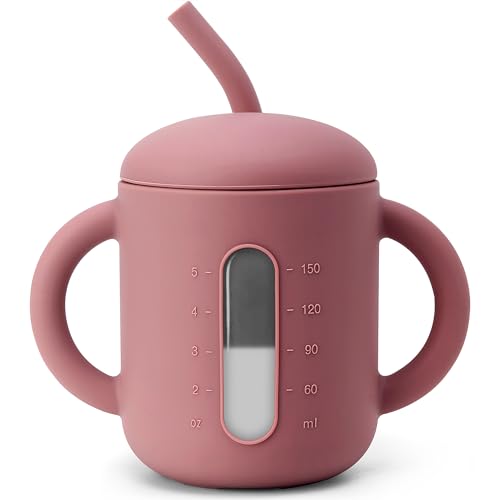
Best for babies needing a clear window to monitor liquids and a firm lid to reduce spills. The cup’s leak resistance and measurement window help caregivers manage intake accurately. Limitation: small parts could require extra attention during cleaning to maintain a tight seal.
SAMiGO Silicone Cup – 6 12 18 Months

Best for families seeking a recurring cup across multiple ages with a three-in-one design that includes a straw, spout, and open cup option. It features a see-through window and a secure lid. Caution: because of multiple configurations, proper assembly is essential to prevent leaks during feeding on the go.
Buying Guide: Key Purchase Considerations
- Transition ease: If your priority is a quick bottle-to-cup switch, look for soft spouts and easy-grip handles that are age-appropriate for 7-month-olds.
- Spill resistance: Cups described as spill-proof or with a 360 drinking edge reduce mess; consider your child’s typical mealtime environment and travel needs.
- Durability and materials: Opt for BPA-free, food-grade silicone or sturdy plastics. Silicone spouts are gentle on gums, but may require more cleaning.
- Growth compatibility: Some cups are two-in-one or come in sets to cover multiple developmental stages. Choose cups that grow with your child to maximize value.
- Ease of cleaning: Simpler designs with fewer small parts clean faster and reduce the risk of mold in valve areas.
- Head-to-head fit: If your home has other cups, match mouthpiece size and handle design for a consistent transition experience.
Frequently Asked Questions
- When can I start using a sippy cup for my baby?
Most babies begin trying a sippy cup around 6 months as they transition from bottle feeding, with supervision.
- What features help reduce spills?
Look for leak-proof seals, 360-degree sipping edges, and secure lids. Stable handles also prevent tipping.
- Are silicone cups safe for teething babies?
Yes. Food-grade silicone is generally safe and gentle on gums, but always monitor for wear and tear and clean thoroughly.
- Should I buy a set or individual cups?
A set often provides a range of stages from novice sippy to open cup practice, saving time and money over multiple purchases.
- What’s a good age-appropriate choice for travel?
Choose a spill-proof design with durable lids and compact size so it fits easily in bags and cup holders.
- How important is mouth development with cup design?
Spoutless and open-cup options encourage lip closure and tongue coordination, which support natural speech development.
Note: This article references products available on Amazon. The listed items emphasize safe materials, easy handling, and practical transition features. The buying guide focuses on practical purchase considerations and does not rely on subjective opinions or external reviews.