Yes, these are the best options for protecting a baby’s ears during air travel. This guide compares five top baby ear protection products, focusing on comfort, fit, and effectiveness for long flights, takeoffs, and loud cabin environments. Perfect for parents seeking sleep-friendly travel and reduced noise exposure for infants and toddlers.
Top picks at a glance:
- BBTKCARE Baby Ear Protection Noise Cancelling Headphones for Babies (Blue)
- Alpine Muffy Baby Ear Protection for Babies and Toddlers (Pink)
- Alpine Muffy Baby Ear Protection for Babies and Toddlers (Blue)
- Nuby Soft Sounds Adjustable Baby Earmuffs (Pink)
- Nuby Soft Sounds Adjustable Baby Earmuffs (White)
| Product | Best For | Why It Stands Out | Limitations |
|---|---|---|---|
| BBTKCARE Baby Ear Protection Noise Cancelling Headphones for Babies (Blue) | Very young children (3 months to 3 years) needing gentle, lightweight protection | Soft padded design, adjustable headband, 23 dB noise reduction; good for naps and travel | Limited color options; care needed to ensure proper fit for small infants |
| Alpine Muffy Baby Ear Protection (Pink) | Toddlers up to 36 months who need reliable noise reduction | CE & ANSI styling, multi-layer foam, adjustable headband; comfortable and secure | May feel bulkier for very small babes; sizing guidance important |
| Alpine Muffy Baby Ear Protection (Blue) | Babies and toddlers seeking adjustable, safe ear protection | Similar design to Pink version with durable build and soft padding | Color preference only; ensure proper fit for younger infants |
| Nuby Soft Sounds Earmuffs (Pink) | Infants and toddlers who benefit from soft padding and non-slip fit | Soft padded comfort, up to 21 dB protection, non-slip adjustable band | May be less robust for very active babies over time |
| Nuby Soft Sounds Earmuffs (White) | Travelers needing a comfortable, adjustable fit in travel color | Soft, padded, non-slip band; straightforward design for quick fitting | Limited color options aside from white |
BBTKCARE Baby Ear Protection Noise Cancelling Headphones
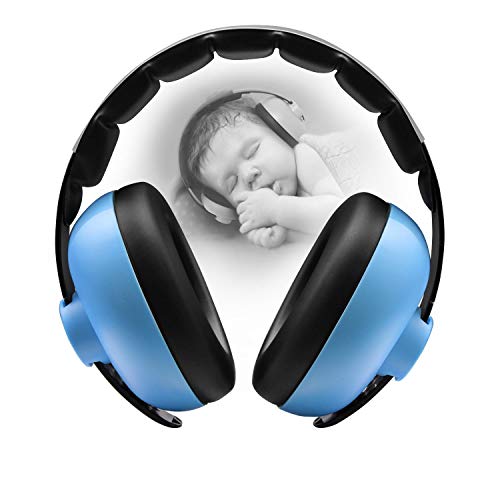
Best for: very young babies seeking gentle, light protection during loud events or flights. The soft padded design and adjustable headband help achieve a secure fit for infants as young as three months. The earmuffs reduce loud sounds by about 23 dB, supporting better sleep during noisy travels.
Why chosen: This option emphasizes comfort with zero-pressure padding and a secure yet adjustable fit, making it suitable for nap-friendly flights. It is a practical all-around pick for parents who want lightweight protection without heavy hardware.
Limitations: Fit may need careful adjustment for smaller newborns; ensure sizing is appropriate for your infant’s head circumference.
Alpine Muffy Baby Ear Protection (Pink)

Best for: babies and toddlers up to 36 months needing reliable, certified protection from loud cabin noises. The CE and ANSI certifications suggest a tested approach to safeguarding hearing in the early years.
Why chosen: Its adjustable design grows with your child, and the foam layers plus soft padding offer a secure seal without discomfort, making it a strong option for frequent flyers and busy travel days.
Limitations: Ensure correct sizing for very young babies; anti-slip headbands aid stability but require proper positioning for a snug fit.
Alpine Muffy Baby Ear Protection (Blue)

Best for: babies and toddlers needing adjustable, safe ear protection that can adapt as they grow. The blue variant shares the same protective build as the pink model.
Why chosen: The bundle of features—soft padding, layered foam, and adjustable headbands—creates a comfortable, long-wearing option that reduces noise without stressing young ears.
Limitations: Availability by color can vary; verify the color you prefer before purchase.
Nuby Soft Sounds Adjustable Baby Earmuffs (Pink)

Best for: infants and toddlers who need comfortable, adjustable earmuffs during air travel, sporting events, or fireworks. The pink color helps with easy identification as a baby-friendly option.
Why chosen: Nuby’s Soft Sounds earmuffs emphasize a soft, padded fit with a non-slip headband, making them reliable for keeping a baby’s environment calmer in loud settings.
Limitations: Some users may find fit varies with head size; ensure adjustment is done correctly for a secure seal.
Nuby Soft Sounds Earmuffs (White)

Best for: travel-ready earmuffs for babies and toddlers who prefer a simple, clean look and dependable padding. White color options can be a neutral choice for family travel gear.
Why chosen: They share the same comfort-first design with a soft, padded interior and non-slip adjustable band, making them a practical travel companion for flights and other loud environments.
Limitations: Color may show dirt more easily; regular cleaning is advised to maintain hygiene for baby wearers.
Softvox Airplane Ear Plugs (Adult/Kids 12+)

Best for: not used for babies; included here for comparison as a travel query option often considered by families traveling with older siblings. Suitable for kids 12+ and adults who need pressure relief and noise reduction.
Why considered: Provides high noise reduction and pressure relief features that can complement baby-focused protection when older travelers require isolation from cabin noise.
Limitations: Not suitable for infants or very young children due to fit and design constraints.
Buying Guide
What to consider when choosing baby ear protection for flight
Sound reduction level: Most baby earmuffs offer 21–23 dB reduction. Choose a level that blocks enough noise without muffling important sounds like a caregiver’s voice.
Fit and adjustability: Look for soft, padded headbands and adjustable bands that grow with your child. A secure, non-slip fit helps prevent slipping during movement or naps.
Comfort over long durations: Lightweight designs with breathable padding prevent irritation. Consider materials that won’t overheat a baby’s ears.
Certifications and safety: Certificates such as CE or ANSI (where applicable for the product) can indicate safety-conscious design, though fit should be prioritized for infants.
Durability and care: Reusable earmuffs should be easy to clean and robust enough to withstand travel. Check for removable cushions or washable padding if possible.
Travel-friendly features: Compact foldability or easy packing helps keep a baby’s travel kit streamlined. Some options include a snug carrying case or pouch.
How to use these products effectively on a flight
- Test-fit before travel: Place the earmuffs on the baby and adjust until they sit snugly without pinching.
- Use during takeoff and landing: Noise exposure is highest during ascent and descent; have the baby wear the earmuffs during these phases.
- Pair with soothing strategies: Combine earmuffs with white noise, a pacifier, or a favorite blanket to improve sleep during flight.
- Inspect periodically: Check for signs of discomfort or overheating, and adjust or remove if needed.
Which product should you choose?
- Best overall for nap-friendly travel: BBTKCARE Baby Ear Protection. Lightweight and comfortable for frequent takeoffs.
- Best for growing toddlers: Alpine Muffy (Pink or Blue) due to adjustable fit and certified safety.
- Best budget-friendly comfort: Nuby Soft Sounds earmuffs (Pink or White) for gentle padding and simple design.
FAQ
- Are baby earmuffs safe for flying? Yes, when used as directed, they provide noise reduction and reduce ear discomfort during cabin pressure changes.
- What age is appropriate for these products? Most are designed for infants from around 3 months up to about 3–4 years, depending on the model.
- Will earmuffs affect my baby’s ability to hear me? They reduce loud noise while preserving normal conversational cues if fitted properly.
- How do I know if the fit is correct? The earmuffs should cover the ears completely with a light seal and no gaps; adjust the headband for a snug feel without pinching.
- Can I use baby earmuffs for other noisy environments? Yes, they work well for travel, fireworks, parades, and sporting events.
- Do these products require batteries or charging? Most do not; they are passive noise-reduction devices.