Answering common questions about safe, simple feeding for infants, this guide highlights the best baby feeding tools for self-feeding, teething relief, and transition to solid foods. Each product is suited for different needs—from self-feeding practice to gentle teething relief. The top picks are chosen for safety, practicality, and ease of use.
Summary Table
| Product | Best For | Why Selected |
|---|---|---|
| Dr. Brown’s Fresh First Silicone Feeder | Self-feeding basics | Durable, bite-resistant silicone; versatile for fruits and frozen treats. |
| Frida Baby Push Pop Silicone Feeder | Motor skills & teething relief | Encourages independent feeding; stand-up cap reduces mess; great with chilled foods. |
| NumNum Spoons Set (Beige/Mauve) | First stage feeding | Pre-spoon design with secure grip; reduces mess; teether function. |
| PandaEar 6 Pack Silicone Spoons & Forks | Independent eating | 100% silicone; choke barrier for safety; dishwasher safe. |
| NatureBond Baby Food Feeder (2 Pack) | Teething + soft solids | Appetizing colors; fully dismantlable for cleaning; BPA/lead free. |
Dr. Brown’s Fresh First Silicone Feeder

Best for: Parents seeking a durable, bite-resistant feeder that can handle fresh fruits, purees, or frozen treats. The tiny holes control portions for safe self-feeding, and the silicone is resilient for teething use.
Why selected: Its simple design helps infants explore textures with minimal mess. The feeder’s versatility makes it suitable for ongoing practice as baby transitions to solids.
Limitation: Some babies may require larger portions once they grow beyond the early feeding stage.
Frida Baby Push Pop Silicone Feeder

Best for: Babies learning to feed themselves while soothing teething gums. The design encourages independent eating and reduces mess during mealtime.
Why selected: Its built-in stand-up cap simplifies filling and keeps surfaces cleaner. Can be used with chilled or frozen foods to provide gum relief.
Limitation: The capacity may be smaller than some other feeders, requiring more frequent refills during busy meals.
NumNum Spoons Set (Beige/Mauve)

Best for: Parents starting solids with babies aged 6+ months who benefit from a built-in teether and easier grip. This set supports the transition to traditional spoons.
Why selected: The design targets early self-feeding with a thick contoured handle for a secure grip. The spoons help teach the motions needed for independent feeding without wrist strain.
Limitation: Might be too large for very small infants who are still mastering first purees.
PandaEar 6 Pack Silicone Spoons and Forks

Best for: Families seeking a beginners’ utensil set with a safety focus. The 100% silicone design is gentle on gums and developing teeth.
Why selected: The choke barrier adds an extra safety layer, preventing complete mouthfuls. The set promotes independent eating and is dishwasher safe for easy cleanup.
Limitation: Spoons and forks are soft, so they may wear faster with very aggressive chewers or bite-heavy toddlers.
NatureBond Baby Food Feeder/Fruit Feeder Pacifier Nibbler (2 Pack)
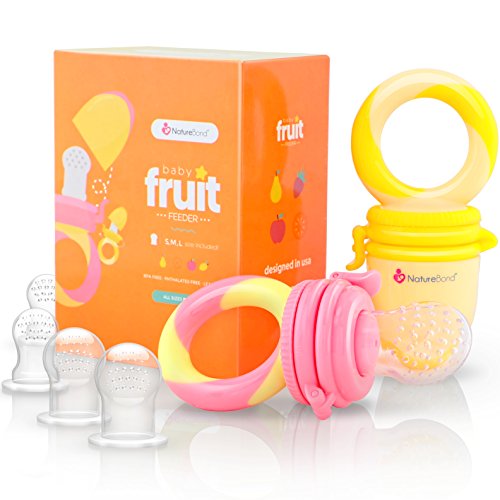
Best for: Parents looking for an all-in-one feeder that doubles as a teether and a picky-eater stimulator with safe materials.
Why selected: It is BPA-free, latex-free, and fully dismantlable for thorough cleaning. The colorful design helps engage babies during weaning and teething.
Caution: Some parents may prefer a larger capacity feeder as their child grows older and eats more solid foods.
Buying Guide: Key Factors For Choosing Baby Feeding Tools
What feeding stage are you preparing for?
Choose feeders and spoons based on your baby’s current feeding stage. Early stages favor soft silicone, bite-resistant designs, and built-in teethers. As babies progress, look for utensils with ergonomic handles and open-channel spoons to minimize mess while teaching proper technique.
Safety and materials
Look for BPA-free, phthalate-free, and lead-free materials. All feeds listed here use silicone or food-grade plastics designed for infant use. Ensure items are easy to dismantle for thorough cleaning to reduce contamination risk.
Ease of cleaning
Product designs that are dishwasher-safe or easily hand-washed save time and improve hygiene. Fully removable parts help eliminate food residue that can harbor bacteria.
Mess minimization
Features like stand-up caps, self-feeding designs, and chokes barriers reduce spills and gag risks. Consider products with closures or caps to keep interiors clean during filling and handling.
Teething benefits
Many feeders double as teething devices. When selecting, prioritize gentle textures and soft silicone to soothe gums without compromising safety.
Practicality and travel
Compact, lightweight options travel well and fit in diaper bags. Pre-spoon designs can be easier to use on the go, while set-based utensils provide variety for different feeding stages.
FAQ
- At what age can my baby start using a silicone feeder? Most feeders are designed for babies around 4–6 months and older, depending on readiness for solids. Always follow pediatric guidance.
- Are these feeders safe for frozen foods? Several models recommend using cooled or frozen items to soothe teething gums. Check each product’s instructions for temperature guidelines.
- Can these utensils be used for travel? Yes. Many options are light, compact, and dishwasher-safe, making them convenient for trips and daycare.
- Do these feeders reduce mess? Designs with stand-up caps, self-feeding features, and easy-to-clean parts help minimize spills, though some mess is inevitable with early feeding.
- Are the materials BPA-free? All listed products emphasize BPA-free materials, with many also being free of phthalates and lead for safer use with infants.
- Which item is best for teething relief? Models that support chilled or frozen foods and feature soft silicone teething elements are most effective for teething relief.