When feeding a premature baby, choosing the right bottle can support a calm, paced feeding and reduce discomfort. This guide highlights five bottles tailored for preemies or babies needing extra care with latching, flow, and digestion. Each option targets a specific feeding challenge, from ultra-slow preemie flows to vented designs that minimize gas. Read on to find which bottle best suits your baby’s needs and your feeding routine.
Below is a quick buying snapshot to help you compare at a glance:
| Product | Best For | Key Benefit |
|---|---|---|
| Dr. Brown’s Natural Flow Anti-Colic Options+ Preemie Bottles | Very slow-flow needs; preterm or feeding difficulties | Ultra-slow nipple; internal vent reduces colic |
| Pretty Baby Anti-Colic 2 oz Bottles (4-Pack) | Newborns needing gentle transition; gas relief | Vent system; breast-like nipple helps latch |
| Dr. Brown’s 4 oz Anti-Colic Options+ Bottles | Learning to coordinate feeding; nutrient preservation | Slow flow with vent; preserves nutrients |
| Philips Avent Natural 2 oz Bottles (2-Pack) | Gentle latch and natural feeding transition | Breast-like nipple; venting reduces tummy air |
| MAM Easy Start Anti-Colic 4.5 oz Bottle | Very slow flow and anti-colic comfort | Extra slow nipple; vented base reduces air intake |
Dr. Brown’s Natural Flow Preemie Bottles With Preemie Flow Nipple
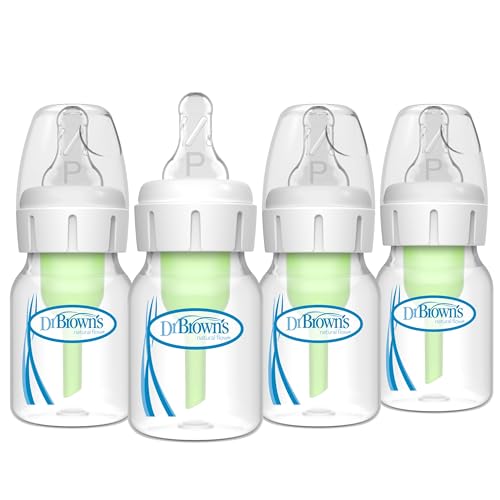
Best for babies needing the slowest possible flow. The Preemie Flow nipple enables a very slow feed, helping babies who struggle with quicker flows. The internal vent system is clinically noted to reduce colic, spit-up, burping, and gas. The design aims for vacuum-free feeding that mirrors breastfeeding, allowing babies to pace themselves.
Who it’s best for: Premature infants or babies with feeding difficulties who require a slower, more controlled flow. Why selected: Combines a very slow nipple with anti-colic venting to minimize discomfort during early feeds.
Limitation: The smallest bottle size (2 oz) may require more frequent feeds for older or larger babies.
Pretty Baby 2oz Anti-Colic Bottles (4-Pack)

Ideal for introducing bottle feeding while minimizing colic symptoms. This 2 oz set uses an internal vent system to reduce spit-up and gas, while a breast-like nipple supports a natural latch. The compact size makes it convenient for very small feeds and early bottle training.
Who it’s best for: Newborns and preemies transitioning to bottles, especially when a natural latch is desired. Why selected: The combination of venting and breast-like nipple can ease the transition from breast to bottle.
Limitation: Smaller bottle size may require more frequent refills for ongoing feeds.
Dr. Brown’s Natural Flow 4 oz Anti-Colic Bottles

Better for babies who have outgrown the tiniest feeds but still need controlled flow and digestion support. This bottle uses a robust anti-colic vent system to decrease gas and spit-up, while the slow flow helps preserve milk nutrients across feeds. Suitable for babies starting to take slightly larger amounts.
Who it’s best for: Preemies moving toward 4 oz feeds or older newborns needing a steady, paced flow. Why selected: Combines proven anti-colic design with nutrient preservation benefits.
Limitation: The internal vent system adds some assembly steps and may require cleaning attention to maintain performance.
Philips Avent Natural Baby Bottles 2 oz (2-Pack)

The Natural line is favored for babies who benefit from a gentle, breastlike latch. The wide, breast-shaped nipple promotes a natural latch-on, while venting tees away air from the tummy, helping minimize discomfort. Suitable for gentle transition from breastfeeding to bottle feeding.
Who it’s best for: Newborns, especially those who latch naturally but experience tummy discomfort with bottle air. Why selected: Combines breast-like feel with air venting that reduces tummy issues.
Limitation: Some caregivers report preference for a slower or faster flow depending on baby’s appetite; consider a size or nipple option based on your baby’s needs.
MAM Easy Start Anti-Colic Wide Neck Bottle
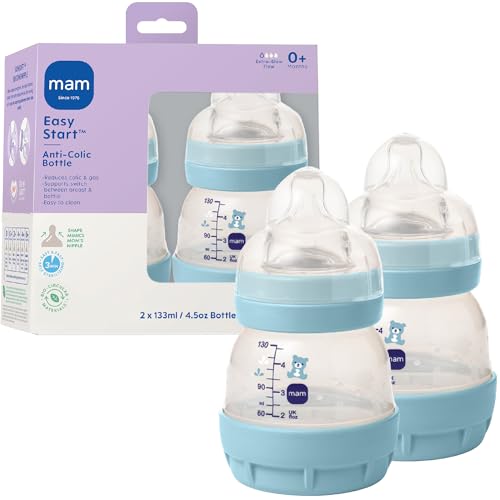
Best for babies who need extra help with gas relief and a natural-feel nipple. The dual anti-colic system reduces air intake, while the SkinSoft nipple emulates mom’s feel, enabling a comfortable feeding pace for preemies and newborns. Vented base further minimizes air ingestion during feeds.
Who it’s best for: Preemies or newborns sensitive to air in the bottle and seeking a breastfeeding-like experience. Why selected: Combines a proven anti-colic system with an extra-slow nipple option for very cautious feeders.
Limitation: The wide neck design may require larger bottle storage space and careful cleaning of the venting area.
Buying Guide: Key Considerations For Preemie Bottles
Choosing the right bottle for a preemie involves flow rate, venting, latch similarity, and ease of cleaning. Consider the baby’s current feeding stage, preference for natural latch, and any signs of digestive discomfort. Below are practical questions to guide your decision.
What flow rate is appropriate for a premature baby?
Premature babies often need extremely slow flows initially. Look for “Preemie Flow,” “Extra Slow,” or “Level 1 Slow Flow” nipples. A slower flow supports pacing, reduces choking risk, and aligns with a baby’s limited sucking strength.
How important is venting and anti-colic design?
Vent systems minimize air intake, burping, and spit-up. They can improve comfort and digestion, especially in babies prone to gas or reflux. Anti-colic bottles are typically easier to use during nighttime feeds as well.
Should I prioritize a breast-like latch?
A nipple shape that mimics breastfeeding can ease the transition from breast to bottle and support a proper latch. This helps prevent nipple confusion and supports natural feeding rhythms for many babies.
What about bottle size and feeding pace?
Small volumes (2 oz) are useful for very small babies or early-stage feeds, while 4 oz bottles suit slightly larger feeds. Choose sizes that reduce the need for frequent refills and fit your baby’s appetite growth.
Are there any practical cleaning considerations?
Bottles with multiple parts, vent systems, and nipples require thorough cleaning. Consider whether you have time for extra wash cycles and whether the design is easy to disassemble and reassemble correctly.
How should I match a bottle to my feeding plan?
For preemies needing ultra-slow flow and reduced gas, start with a preemie-specific option and evaluate tolerance over several feeds. If a baby handles a slightly larger volume, you can transition to a broader range of available sizes and speeds.
FAQ
- What is the main benefit of a preemie-specific nipple? It provides a very slow flow, helping babies feed at their own pace and reduce stress during feeding.
- Are vented bottles always better for preemies? Venting helps reduce air ingestion and tummy discomfort for many babies, though individual results vary.
- Can I switch bottles as my baby grows? Yes. Start with ultra-slow flow for preemies and gradually move to bottles with larger flow rates as feeding stamina increases.
- Is a breast-like nipple important for preemies? It can support a natural latch and ease transitions between breast and bottle feeding.
- Do all anti-colic bottles reduce gas? Most help reduce gas for many babies, but effectiveness depends on the baby and feeding conditions.
- What size bottle should I start with? For preemies, 2 oz bottles are common; larger sizes like 4 oz are appropriate once feeds increase in volume.