Yes—the best sippy cups for babies help ease bottle-to-cup transitions, reduce spills, and support early self-feeding. This guide highlights five top cups that suit different needs: lightweight grips for littlest hands, spill-proof designs for on-the-go families, and durable options for teething stages. Below, find quick picks, who they’re best for, and key trade-offs so you can choose confidently.
Summary table of selected products:
| Product | Best For | Key Benefit | Notable Limitation |
|---|---|---|---|
| Dr. Brown’s Milestones Cup | Babies 6m+ learning straw sipping | Weighted straw moves with liquid | Handles are removable; some babies may prefer bigger cups as they grow |
| Nuby Clik-It Grip N’ Sip | Spill-prone toddlers | No-spill valve with easy-grip handles | 3-pack adds complexity for small households |
| NUK Learner Cup (2-Pack) | Growing babies who need easy grip | Soft spout; spill-proof features | Some users may outgrow the size quickly |
| Munchkin Miracle 360 (2-Pack) | Active toddlers transitioning away from cups | Spill-proof 360 design; no spout | Spill protection relies on proper use; may leak if tilted aggressively |
| Moonkie 4 oz Sippy & Open Cup Set | Baby-led weaning and multi-stage learning | Three-in-one design: sippy, straw, open cup | Smaller capacity; need to switch stages |
Dr. Brown’s Milestones Baby’s First Straw Cup

Best for: Parents seeking a smooth bottle-to-cup transition with a moving straw. The weighted silicone straw follows liquid flow, helping baby sip from any angle. Side-grip handles aid initial grasping, and removable handles support growth as cup-holding skills improve. Caution: some babies may prefer larger cups as they gain independence.
Nuby Clik-It Grip N’ Sip Soft Spout No-Spill Cup

Best for: Families with spill-prone toddlers who need a reliable no-spill option. The soft spout is gentle on gums, and the built-in valve opens only when sipping, reducing mess. The Clik-It lid assists in independence. Caution: 3-pack may be more than some households need at once.
NUK Learner Cup 6+ Months (2-Pack)

Best for: Parents seeking an easy-grip, spill-proof transition cup with removable handles. The 5 oz capacity per cup is manageable for small mouths while the soft spout is gentle on gums. Caution: Some kids may outgrow the 5 oz size quickly as intake increases.
Munchkin Miracle 360 Sippy Cup (2-Pack)
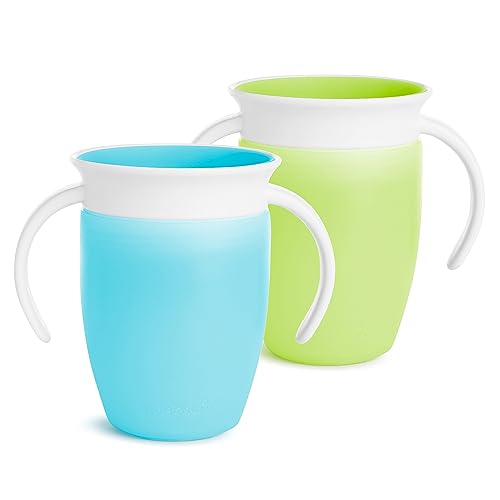
Best for: Toddlers who are ready to transition away from traditional spouts. The 360-degree edge allows sipping from anywhere, promoting normal mouth muscle development. No-spill design automatically seals when drinking ends, aiding mess-free use. Caution: Requires proper alignment; improper use can cause spills.
Moonkie Silicone Baby Training Cup Set (2 Pack)
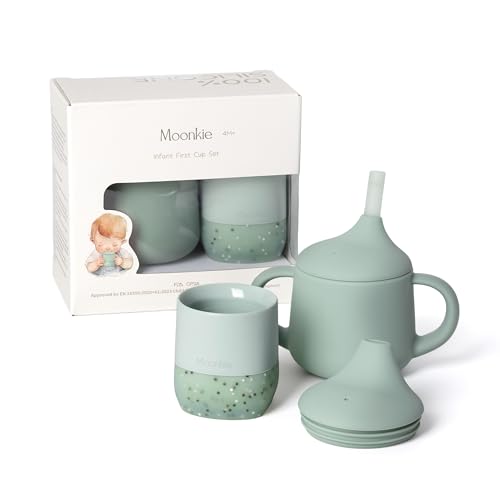
Best for: Families pursuing a gradual, multi-stage drinking program from bottle to independent sips. The set includes a sippy cup and open cup to foster lip closure and speech development. 100% baby-safe silicone is BPA-free. Caution: The open cup stage requires supervision to prevent spills as mouth coordination evolves.
NUK Active Sippy Cup 10 oz (2-Pack)

Best for: On-the-go families needing a lightweight cup with a carrying clip. The 10 oz capacity accommodates longer outings, and the spill-proof spout is gentle on gums. Caution: Designed for steady sipping; excessive tipping may still cause minor leaks in some cases.
Buying Guide
What to look for when choosing a baby sippy cup
Consider cup flow, spill protection, and grip design. Weighted or flexible straws help with multi-direction sipping, while soft spouts are gentler on growing teeth. Removable handles support early grip and later independence.
Which features matter most by age
- 6–12 months: Weighted straw or soft spout options aid early sipping and transition.
- 12–18 months: Easy-grip handles and spill-proof valves help toddlers practice drinking with less mess.
- 18 months+: 360-degree sipping or open-cup options encourage independent drinking and lip closure.
Materials, safety, and cleaning considerations
- Choose BPA-free, Food Grade silicone or approved plastics for baby cups.
- Look for simple disassembly for thorough cleaning and to prevent mold buildup.
- Ensure silicone parts are heat-resistant if you often warm beverages for your child.
Care and maintenance tips
- Disassemble cups after each use; rinse thoroughly to prevent residue buildup.
- Check valves and seals for wear; replace as needed to maintain spill-proof performance.
- Avoid using harsh cleaners or boiling water on silicone parts unless specified by the manufacturer.
Which cup is best for your family?
- Best overall for versatility: Moonkie 4 oz Sippy & Open Cup Set.
- Best for spill-prone toddlers: Nuby Clik-It Grip N’ Sip.
- Best for quick bottle-to-cup transition: Dr. Brown’s Milestones Cup.
- Best for on-the-go: NUK Active Sippy Cup (2-pack).
- Best budget-friendly option: Munchkin Miracle 360 (2-pack).
FAQ
- Q: At what age should I start introducing a sippy cup?
A: Most babies are ready around 6 months, or when they show interest in self-feeding. - Q: Are spill-proof cups truly spill-proof?
A: Many are designed to minimize spills, but proper use and maintenance are essential for best results. - Q: Should I choose a cup with a straw or a spout?
A: Straws can aid sip coordination, while soft spouts are gentler on gums for younger babies. Your choice may depend on bite development and hygiene concerns. - Q: How many cups should I own?
A: A small set (1–2 cups) plus a spare lid or valve is often enough; consider households with multiple caregivers. - Q: Can these cups influence dental health?
A: Early guidance favors limiting prolonged sipping from any cup and promoting lip closure; choose cups with gentle spouts and monitor sipping habits.