Answering the search for a pacifier suited for 6-month-olds, this guide highlights top picks that balance orthodontic design, skin comfort, and practical features. Each option targets babies aged 6-18 months and emphasizes oral development, skin health, and easy nighttime finding. The buyer most likely to value: ease of cleaning, glow-in-the-dark visibility, and a symmetrical nipple for comfortable soothing.
| Product | Brand | Age Range | Why It Stands Out |
|---|---|---|---|
| MAM Air Pacifier for Babies 6-16 Months | MAM | 6-16 Months | Extra air flow and skin-soft silicone; glow-in-the-dark feature |
| Tommee Tippee Ultra-Light StayPut Pacifier | Tommee Tippee | 6-18 Months | Very lightweight; stays in mouth to reduce drops |
| Philips Avent Ultra Soft Pacifiers | Philips Avent | 6-18 Months | Orthodontic design with soft shield; high acceptance |
| Philips Avent Ultra Air Pacifiers | Philips Avent | 6-18 Months | Extra-large air holes for skin comfort; highly accepted |
| Dr. Brown’s Advantage Glow-in-The-Dark Pacifier | Dr. Brown’s | 6-18 Months | Fully symmetrical and glow-in-the-dark for nighttime finding |
MAM Air Pacifier for Babies 6-16 Months
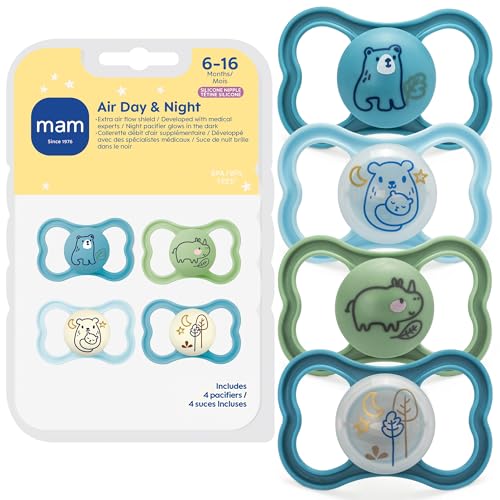
Best for babies who need gentle airflow and skin-friendliness. Features premium extra-thin SkinSoft silicone nipple designed to mimic a breast-like latch, aiding comfort and acceptance. The symmetrical nipple supports healthy oral development. A glow-in-the-dark option helps caregivers locate the pacifier at night. Caution: ensure the nipple remains intact and replace if signs of wear appear. Best for parents prioritizing skin comfort and a familiar latch.
Tommee Tippee Ultra-Light StayPut Pacifier

Best for reducing germ exposure from dropped pacifiers due to its ultra-lightweight design that stays put in the mouth. It uses a symmetrical nipple for consistent fit and soothing comfort. The breathable design with air holes minimizes skin irritation. Limitation: feel the lightweight design might be less sturdy for chomping babies. Choose this if you want minimal bulk and easy cleaning.
Philips Avent Ultra Soft Pacifiers

Best for babies needing orthodontic support with a soft shield. The symmetrical nipple and narrow neck aim to reduce pressure on teeth and gums while ensuring a comfortable fit. It includes two sterilizing cases for convenient cleaning. Caution: claims of 98% nipple acceptance are based on parent reports; individual results may vary. Use for long-term pacification when oral comfort matters most.
Philips Avent Ultra Air Pacifiers

Best for extra skin breathability with large air holes to keep skin drier. The orthodontic, symmetrical nipple design reduces pressure on teeth and gums. It often earns high parental acceptance, but as with all pacifiers, check for wear and tear regularly. Choose this if skin comfort and dryness are priorities during soothing sessions.
Dr. Brown’s Advantage Glow-in-The-Dark Pacifier

Best for easy nighttime locating with glow-in-the-dark features and a fully symmetrical design. The silicone bulb is soft and durable, supporting natural sucking reflexes. Caution: some parents report preference for one-direction insertion; ensure the reversible design is used as intended. This is a solid pick for infants who wake at night and rely on visual cues for soothing.
Buying Guide: Key Purchase Considerations
What age range is appropriate for a pacifier? Most six-month-olds benefit from pacifiers designed for 6-18 months, supporting continued soothing as teeth and jaws develop.
Orthodontic vs. traditional shapes: Orthodontic nipples and narrow necks aim to reduce pressure on developing teeth and gums. Consider your pediatrician’s guidance and your child’s comfort preferences.
Material and safety: Look for BPA-free silicone or silicone-like materials. Ensure the shield fits well to prevent skin irritation and is shaped to minimize facial marks.
Ventilation and skin care: Pacifiers with air holes or extra-wide air channels help keep the baby’s skin dry and reduce irritation. If skin sensitivity is a concern, prioritize these designs.
Nighttime visibility: Glow-in-the-dark features or bright colors help caregivers locate a pacifier quickly at night, reducing baby distress and bedroom clutter.
Cleaning and sterilization: Many packs include sterilizing cases or are easy to clean. Consider whether you prefer devices that are dishwasher-safe or boil-cleanable for ongoing hygiene.
Frequently Asked Questions
Are 6- to 18-month pacifiers safe for consistent nighttime use?
Yes, pacifiers designed for that age range are intended to be used day and night, but follow manufacturer guidelines and consult a pediatrician if you have concerns about prolonged use.
Do orthodontic pacifiers help with dental development?
Orthodontic designs aim to reduce pressure on teeth and gums and support natural sucking patterns, which may help with comfort and oral development during early months.
What should I do if my baby rejects a pacifier?
Try different nipple shapes, textures, or sizes. Some babies respond better to a symmetrical nipple or a lighter-weight design. Give it time and rotate options if needed.
How do I clean a pacifier safely?
Follow the product’s sterilization instructions. If multiple babies use the same pacifier, sterilize thoroughly between uses to minimize contamination risks.