Answering the question for parents seeking infant-friendly hearing protection: choose earmuffs designed for babies and toddlers that protect delicate ears without applying pressure on soft spots. The top picks here are known for soft fit, adjustable sizing, and reliable noise reduction. Best for parents attending crowded events, travel, or fireworks. Each option helps reduce exposure to loud sounds while keeping comfort in mind, making them suitable for sleep and outdoor adventures with infants and toddlers.
The following quick comparison highlights five infant-friendly ear-protection options, showing who each product is best for and why it stands out. Use this table to guide your choice based on your child’s age, activity, and comfort priorities.
| Product | Best For | Key Benefit |
|---|---|---|
| Alpine Muffy Baby Ear Protection — Blush | Infants and toddlers up to 36 months | Soft, 24dB noise reduction with comfortable, adjustable fit |
| Alpine Muffy Baby Ear Protection — Green | Growing children (3–48 months) | Adjustable headband and multi-layer foam for safe, comfortable wear |
| Alpine Muffy Baby Ear Protection — Pink | Young children who need stable wear | Similar 24dB protection with gentle design for sensitive ears |
| Orzbow 2-in-1 Baby Ear Muffs | Parents wanting choice between two styles | NRR 25dB with non-slip band and pressure-free design |
| BANZ Baby BanZ Earmuffs | Active toddlers in varied environments | NRR 26dB with plush, comfortable cups and adjustable fit |
Alpine Muffy Baby Ear Protection — Blush

- Best For: Babies and toddlers up to 36 months who need reliable, gentle noise protection during fireworks, crowded events, or travel.
- Why Selected: Alpine Muffy Baby uses multi-layer noise-reducing foam and soft padding for a comfortable seal without hard parts near the fontanelle. The headband is adjustable for growing children.
- What to watch: Ensure the fit is snug but not tight; improper seal can reduce effectiveness.
- Limitations: Some infants may initially resist wearing earmuffs; gradual introduction helps acceptance.
Alpine Muffy Baby Comfort — Green

- Best For: Children 3–48 months needing higher protection with a softer, pressure-free feel.
- Why Selected: Enhanced 24dB noise reduction and pre-attached cups reduce setup effort; designed to avoid pressure on fontanelles while maintaining comfort.
- What to watch: Fit may vary with head size; adjustments ensure a secure, comfortable hold.
- Limitations: Slightly bulkier style may be less ideal for very young infants who prefer ultra-light options.
Alpine Muffy Baby Ear Protection — Green (36 Months)
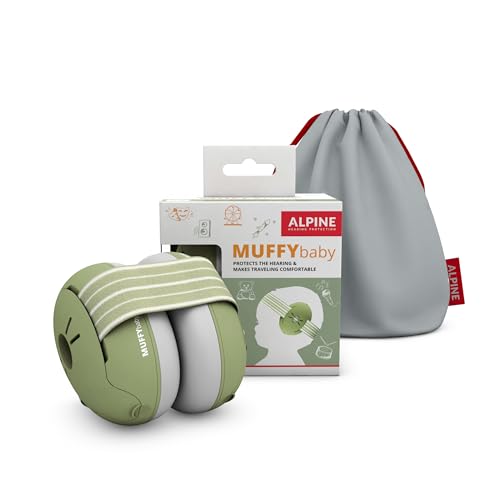
- Best For: Infants and toddlers up to 36 months who need consistent, comfortable noise protection during noisy events.
- Why Selected: Similar design to other Alpine Muffy Baby models with adjustable headbands and layered foam for a secure seal.
- What to watch: Verify the size range aligns with your child’s age and head circumference for optimal protection.
- Limitations: Color variants are cosmetic; choose based on size and comfort rather than appearance.
Alpine Muffy Baby Ear Protection — Pink

- Best For: Toddlers who prefer a softer, lightweight option with reliable 24dB protection.
- Why Selected: Pink variant mirrors the same protective capabilities while offering a gentle fit for sensitive ears.
- What to watch: Comfort can vary by head shape; ensure the cups sit evenly over the ears for best results.
- Limitations: Availability and colors may vary by stock; confirm size before purchase.
Orzbow 2-in-1 Baby Ear Muffs — White

- Best For: Parents who want flexible wear styles for infants up to 48 months.
- Why Selected: Combines traditional headphone design with a headband option; both are lightweight and adjustable, suitable for growing babies.
- What to watch: The dual design should be tested to ensure the preferred fit remains comfortable during activities.
- Limitations: The dual design may require a brief adjustment period for some infants.
BANZ Baby BanZ Earmuffs — Infants & Toddlers

- Best For: Babies and toddlers 0–36 months needing strong noise protection with comfort.
- Why Selected: NRR 26dB with plush cups and an adjustable headband provides a secure, gentle seal for little ears.
- What to watch: Ensure the band sits evenly and does not press on delicate skull areas.
- Limitations: Some children may prefer other styles; trial wear can help determine fit preference.
Buying Guide
What NRR Do Infants Need?
For infants and toddlers, a noise reduction rating (NRR) around 24–26dB is typically sufficient for everyday loud environments. Higher isn’t always better if it causes discomfort or a poor seal.
How Do You Choose The Right Fit?
Look for adjustable headbands, soft cups, and a design that avoids putting pressure on soft skull areas. A snug but comfortable seal ensures effective protection.
Are There Any Safety Certifications?
CE and ANSI certifications indicate adherence to safety standards. While individual experiences vary, these certifications provide a baseline for protective construction and materials.
What Scenarios Benefit Most?
Air travel, concerts, fireworks, crowded venues, and late-night events are common scenarios where infant earmuffs can prevent temporary or long-term hearing damage while supporting better sleep.
Care And Maintenance
Wipe with a damp cloth and mild soap; avoid submerging in water. Ensure ear cushions remain clean to maintain comfort and hygiene for sensitive ears.
FAQ
- Should I buy multiple sizes for growth? Yes. Select sub-36 month options or adjustable models to accommodate growth and minimize the need for frequent replacements.
- Is it safe for newborns? Many products target infants 3 months and up; check the manufacturer’s age range to ensure suitability for newborns.
- Can earmuffs replace all other hearing precautions? They are a protective aid but should be used alongside environmental awareness and parental guidance in loud settings.
- Do earmuffs work equally in all environments? Effectiveness is consistent across most loud environments, but fit and comfort influence real-world protection during prolonged use.
- How should I reset a misfitting headset? Re-adjust the headband and cups, and ensure even pressure around the ears without pinching.
- Are there color preferences that affect safety? Color doesn’t affect safety; choose the model and size that fit best and feel most comfortable for your child.