Answering buyers’ needs for warmth, protection, and mobility, these bib-style overalls are designed for extreme cold, windy days, and wet conditions. The top picks suit different use cases: construction and outdoor work, hunting or hunting-style outdoor tasks, and professional cold-storage environments. Choose based on temperature rating, fabric durability, and whether high visibility or full-coverage protection matters most. Below is a quick summary table of the five featured products.
| Product | Best For | Key Benefit |
|---|---|---|
| RefrigiWear Insulated Bib Overalls (-20°F) | Outdoor workers; general cold-weather tasks | Wind-resistant, waterproof, high-visibility details |
| Ergodyne GloWear 8928 High-Vis Bibs | Snow plow crews, roadside work | -15°F to -26°C rating; high visibility |
| Carhartt Washed Duck Insulated Bib Overall | Construction and heavy labor | Cotton duck shell with insulation for durability |
| RefrigiWear Iron-Tuff High-Bib Overalls | Subzero field work; rugged environments | Up to -50°F protection; reinforced construction |
| Ergodyne N-Ferno 6477 Freezer Bib | Freezer storage and cold storage | Designed for very cold storage settings |
RefrigiWear Insulated Bib Overalls – Rated -20°F

Best for general outdoor cold-weather tasks and workers who need reliable warmth without compromising mobility. These overalls feature over 400 g of insulation and a wind-tight, water-resistant shell. The 2-inch silver reflective tape and HiVis neon coloring improve visibility in low-light environments. The above-knee leg zippers simplify changing, and the Y-back suspenders help maintain a secure, adjustable fit. Caution: as a highly insulated option, they may feel bulky in milder conditions or when layering lightly.
Insulated Thermal Bib Overalls, GloWear 8928
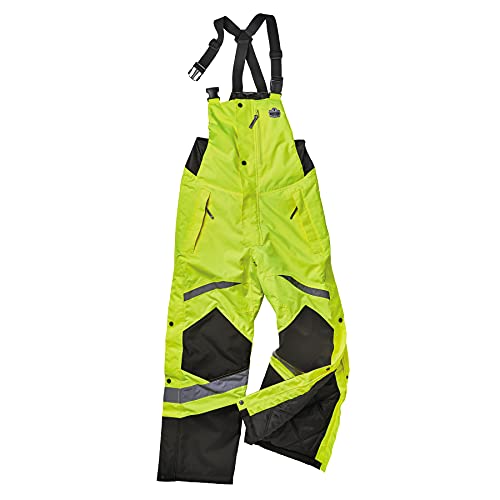
Best for cold environments where high visibility is important. These bibs offer a -15°F to -26°C temperature rating and utilize a 300D ripstop shell with PU coating for weatherproofing. The 160g insulation provides essential warmth without excessive bulk. Best for workers requiring visibility, such as roadside crews or outdoor maintenance. Limitation: heavier bulk may hinder dexterity for very precise tasks.
Carhartt Washed Duck Insulated Bib Overall

Best for rugged outdoor labor where durability and traditional workwear aesthetics matter. The 12-ounce 100% cotton ringspun washed duck fabric delivers lasting durability, while adjustable front-elastic suspenders and stretch side panels improve fit. The Cordura-reinforced kick panels add wear resistance in high-abrasion zones. Caution: heavier weight fabric may require careful layering in extreme cold.
Carhartt Firm Duck Insulated Bib Overall
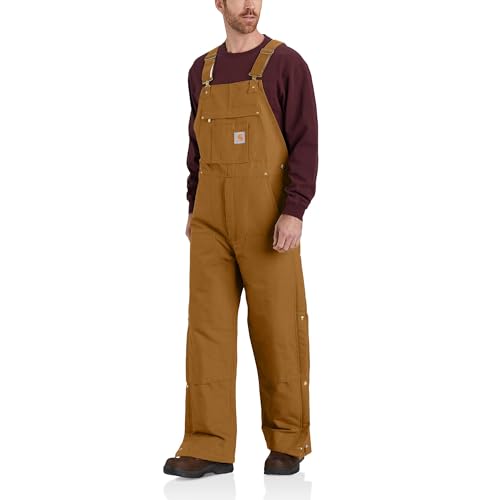
Best for workers needing midweight insulation with flexible front-elastic suspenders and organized storage. The nylon quilted lining pairs with midweight polyester insulation for reliable warmth. A multi-compartment bib pocket with zipper closure adds practical storage. Consider this option if you want a balance of mobility and warmth for moderate-to-heavy duty tasks.
RefrigiWear Iron-Tuff High-Bib Overalls

Best for subzero field work and rugged outdoor environments. These high-bib overalls feature RefrigiFill insulation, an abrasion-resistant outer shell, and wind-tight design to keep warmth in. Thigh-high zippers with a storm flap seal out drafts, while reinforced heels enhance durability. Choose this if you work in extremely cold settings and need maximum protection. Limitation: heavier construction may take longer to don and doff in tight spaces.
Ergodyne N-Ferno 6477 Freezer Bib Overalls

Best for freezer storage and cold storage environments. These overalls use a rugged polyester/nylon blend shell with a water-repellant PU coating and a dedicated cold-storage design. They provide warmth in very cold conditions while resisting moisture. Limitation: not designed for high-visibility work zones unless used with additional reflective gear.
Buying Guide
What temperature rating do you need? If you work in extreme cold, prioritize models rated to -50°F or near subzero ranges, like the Iron-Tuff line. For general cold exterior work, -15°F to -20°F options offer sufficient warmth with lighter bulk. How important is visibility? High-visibility options (like the GloWear series) improve safety in dim conditions. Do you need mobility or durability? Heavier duck or canvas shells offer durability; lighter shells with good insulation provide easier movement. Consider layering compatibility, as some bibs are designed for aggressive layering while others are more form-fitting. What about storage? Look for multi-pocket bib configurations and reinforced seams in models intended for heavy-duty use. Are you in a professional cold-storage role? The freezer-focused designs emphasize corrosion resistance, moisture protection, and easy-on/off for shift changes.
Key comparison considerations
- Temperature rating and insulation weight
- Shell material and weatherproofing
- Fit and mobility features (adjustable suspenders, side panels, and zippers)
- Visibility features (reflective tape, neon colors)
- Durability features (reinforced knees, patches, and rivets)
FAQ
- What should I wear under insulated bib overalls in extreme cold?
A base layer that wicks moisture and provides additional warmth is recommended, such as merino wool or synthetic thermal wear. - Are high-bib designs better for protection?
High-bib designs offer greater coverage and draft protection, especially for the torso and back during long periods outdoors. - Which material is most durable for rugged work?
Durable duck or canvas shells with reinforced seams and kick panels tend to offer the best resilience for construction and hunting environments. - Can I use these bibs for freezer work?
Yes, but ensure the model is rated for low temperatures and moisture resistance suitable for cold storage environments. - How do I choose between insulation levels?
If you work in moderate cold, lighter insulation improves mobility; in harsher cold, heavier insulation maintains warmth with layering considered. - Do these bibs require special care?
Follow manufacturer care instructions; generally avoid high heat when drying and use appropriate detergents to maintain insulation and waterproofing.