Looking for a hanging baby bouncer that helps with motor development while keeping baby entertained? This guide highlights top door jumper options ideal for babies who can sit up with some support (roughly 6 months and up) and weigh up to 26 pounds. Each pick is evaluated for ease of setup, stability, and suitability for interior doorframes. The table below compares five strong options to help you choose what fits your doorway and your baby’s needs.
| Product | Brand | Best For | ||
|---|---|---|---|---|
| Bright Starts Playful Parade Door Jumper | Bright Starts | Active babies who like compact, easy storage | 26 lbs | Doorframe clamp; no tools |
| Bright Starts Bounce ‘n Spring Deluxe Door Jumper | Bright Starts | Bright, energetic bounce with quick setup | 26 lbs | Compact and tool-free |
| Bright Starts Purple Paradise Door Jumper | Bright Starts | Adjustable height for growing babies | ≤26 lbs | Height adjustable; interior frame use only |
| Jolly Jumper Iconic (Black) | Jolly Jumper | Classic doorway jumper with long-standing design | Up to 28 lbs | Adjustable height; no stand needed |
| Slevoo Baby Jumper | Slevoo | Sturdy option with clear safety features | Up to 35.2 lbs | Doorframe clamp; 4″–12″ wall thickness |
Bright Starts Playful Parade Door Jumper for Baby
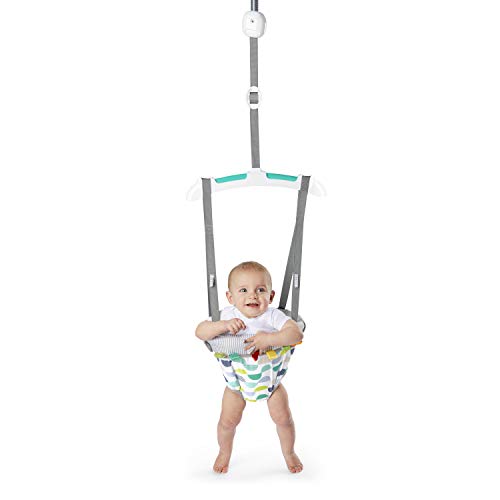
Best for doorframe-secured fun in compact spaces. This jumper clamps to most interior doorframes and is suitable once baby can sit up independently (about 6 months). It supports a maximum weight of 26 pounds. Benefits include quick setup and easy storage, making it ideal for apartment dwellers or households with limited space. Best for parents who want a simple, tool-free installation and a playful doorway experience. Limitation: ensure the doorframe is within the specified thickness range and centered for safe use.
Bright Starts Bounce ‘n Spring Deluxe Door Jumper

Better for babies who prefer a compact, lightweight jumper with a quick “clamp and go” setup. It is designed for babies who can sit up by themselves and weigh under 26 pounds. This option emphasizes portability and storage ease, useful for travel or small living spaces. Cautions include using only on a recommended interior door frame and ensuring proper center alignment before use.
Bright Starts Purple Paradise Door Jumper

Best for growing babies due to its height-adjustable design. Suitable for babies who can sit up with assistance and weigh less than 26 pounds. This jumper helps build core muscles through guided bouncing while remaining compact for easy storage. Only use on interior door frames and ensure secure centering for safety. Consider this if you want a door jumper with a longer duration of use as your baby grows taller.
Jolly Jumper Iconic (Black)

This classic doorway jumper offers a trusted jumping experience with a long history of use. It supports infants up to about 28 pounds and adjusts in height to fit different doorframes. The saddle-style seat helps keep the baby upright and comfortable. Best for households seeking a traditional, stable option. Limitation: may feel bulkier than some newer portable models and requires proper setup to ensure a snug fit.
Slevoo Baby Jumper

Best for durability and a robust safety clamp. This jumper targets babies from about 6 months to around 15-20 minutes of controlled play per session, with a maximum weight around 35.2 pounds or 16 kilograms. It emphasizes stability and a secure strap system designed for home use. Choose this if you need a sturdier option with a higher weight limit. Caution: monitor session length and supervise at all times to prevent overuse.
Buying Guide
What should you look for when choosing a hanging baby jumper?
- Door compatibility: Check wall thickness, trim requirements, and whether your interior door frames can safely support a jumper.
- Weight limit: Ensure your baby’s current weight is well below the maximum to allow continued use as they grow.
- Adjustability: Look for height-adjustable designs to accommodate growth and ensure proper posture.
- Safety features: Secure clamps, stable seating, and a design that keeps the baby centered in the doorway are essential.
- Portability and storage: If space is limited, choose compact, tool-free options that store easily.
- Usage duration: Some models recommend shorter bounce times for safety and comfort; follow manufacturer guidance.
Frequently Asked Questions
- Q: What age is best for a doorway jumper? A: Typically around 6 months, when babies can sit up with support, up to about 12–18 months depending on weight and development.
- Q: Are doorway jumpers safe? A: Yes when used with proper door frames, secure mounting, and adult supervision, following the manufacturer’s safety guidelines.
- Q: Can doorway jumpers replace floor play? A: No. They should complement floor play and tummy time, not replace them.
- Q: How long should a baby be in a jumper per session? A: Most guidelines suggest short, supervised sessions; follow the specific product’s recommendations.
- Q: Do these jumpers require tools? A: Many listed options are tool-free and clamp directly to interior door frames, but always confirm installation requirements.
- Q: What is the weight limit for most models? A: Most jumpers support up to 26 pounds, while a few may allow more, so verify your chosen model.