Looking for slow release nipples that mimic natural breastfeeding flow? This guide concentrates on slow-flow options designed for newborns, premature babies, or infants who need a gentler pace. The selected products are best for babies who feed slowly, have reflux or gas, or are transitioning from preemie to standard feeds. Each item below is chosen for a specific feeding need, with clear guidance on who it’s best for and why. A quick summary table follows the introduction to help you compare at a glance.
Summary of Selected Products
- Enfamil Slow Flow Soft Nipples – Best all-around slow flow for general use
- Dr. Brown’s Natural Flow Preemie Flow – Best for premature babies and feeding difficulties
- Philips Avent Natural Response Nipples Extra Slow Flow – Best for paced, baby-led feeding
- Lansinoh NaturalWave Slow Flow – Best for developing mouth and reduced colic, gas
- MAM Anti-Colic Slow Flow Nipples – Best for newborns seeking comfort and air-flow relief
Enfamil Slow Flow Soft Nipples, Latex-Free & BPA Free

Best for: Parents seeking a convenient, ready-to-use slow-flow option that fits most standard bottles. These nipples are individually wrapped for on-the-go feeding and disinfectable in standard sterilizers. They are latex-free and BPA-free, making them suitable for babies with sensitivities.
Why chosen: This option provides reliable slow-flow performance for everyday use and compatibility with a wide range of bottle openings. The no-fuss packaging is ideal for busy parents and travel. A potential limitation is that some bottle shapes may fit better with other nipple styles, so check your bottle compatibility.
Key considerations: Look for standard bottle compatibility, easy cleaning, and whether you need ready-to-use packaging for travel or daycare.
Dr. Brown’s Natural Flow Preemie Flow Narrow Nipple

Best for: Premature babies or feeding difficulties where an ultra-slow, controlled flow is needed. The Preemie Flow nipple features an anti-colic internal vent system to reduce spit-up, burping, and gas while supporting a comfortable feeding pace.
Why chosen: It provides a consistent flow rate with vacuum-free feeding, closely emulating breastfeeding. Choose this if your baby benefits from a slower, steadier pace and you want anti-colic support. Limitation: It is a specialized slow-flow option, which may require bottle compatibility checks with your preferred brand.
Philips Avent Natural Response Nipples Extra Slow Flow

Best for: Parents who want a baby-led feeding rhythm with a no-drip design. The Natural Response nipple only releases milk when the baby actively drinks, aligning with pauses to swallow and breathe.
Why chosen: This nipple supports a paced feeding experience and helps prevent milk loss at the nipple tip. It’s particularly suitable for babies who need to control flow and those who benefit from a measured pace. Caution: The “Flow 1” designation means it may be slower than many standard nipples, so ensure your baby can tolerate the pace.
Lansinoh NaturalWave Slow Flow Nipple, Size S

Best for: Babies requiring a comfortable latch and a steady, infant-friendly flow. The wide base and flexible tip mimic breastfeeding to support a natural feeding pace while minimizing air intake.
Why chosen: The Advanced Airflow System (AVS) reduces air intake to help minimize colic and gas. This makes it a solid choice for newborns and babies transitioning to bottle feeding. Limitation: The AVS technology is beneficial, but some babies may adapt differently to this specific design.
Dr. Brown’s Natural Flow Level T Narrow Nipple
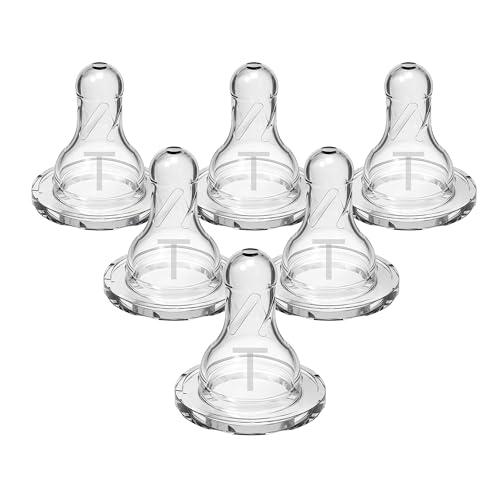
Best for: Newborns who need a slower flow than Level 1, or families transitioning from Preemie to standard flow. The Level T nipple is designed for slow, cautious feeding and is widely used in clinical settings for feeding difficulties.
Why chosen: It offers a controlled pace with an anti-colic vent system that helps reduce gas and spit-up. The nipple is hospital-approved, which can reassure parents seeking a clinically supported option. Caution: This is a specialized option that may be too slow for babies who feed quickly.
Philips Avent Natural Response Nipple Slow Flow (Flow 2)

Best for: Babies who prefer a slower but steady pace, with the same natural drinking rhythm as Flow 1 but at a more gradual rate. The slim design helps with a comfortable latch for many infants.
Why chosen: It preserves the natural feeding cadence with the same responsive design concept. Caution: If your baby needs an even slower option, consider Flow 1 or the Preemie/Narrow options above.
MAM Anti-Colic Slow Flow Nipples Size 1

Best for: Newborns needing a slow, steady flow with air-flow relief. The SkinSoft silicone nipple is designed to feel like mom’s skin, promoting comfortable latch and acceptance.
Why chosen: The nipple design reduces bubbles and air intake, helping to lessen gas and colic symptoms. It’s a strong option for newborns new to bottle feeding. Limitation: It’s sized for newborns (Size 1); older infants may require a different flow as they grow.
Buying Guide: What To Consider When Choosing Slow Release Nipples
How to pick the right slow-flow nipple for your baby:
- Baby’s age and feeding pace: Premature babies and newborns often benefit from slower, more controlled flows.
- Bottle compatibility: Some nipples fit most standard bottles, while others are designed for specific brands.
- Flow customization: Nipple designs vary in how they regulate flow—look for features like anti-colic vents, textured bases, or responsive tips.
- Material and safety: Most options are silicone or latex-free; confirm BPA-free status and any allergy considerations.
- Ease of cleaning: Dishwasher or sterilizer compatibility can be a deciding factor for busy households.
- Breastfeeding goals: If you are transitioning from breastfeeding, choose nipples that mimic natural latch and rhythm.
Frequently Asked Questions
- Q: Are slow-flow nipples suitable for all babies? A: They’re best for babies who feed slowly, have reflux, or are transitioning from express feeding. Some babies may require faster or slower options as they grow.
- Q: How do I know which flow is right for my baby? A: Start with ultraslow or preemie-style nipples if recommended for feeding difficulties or premature infants, then adjust based on comfort and intake.
- Q: Can I use slow-flow nipples with any bottle?
- A: Many are designed to fit standard bottle openings, but always verify bottle-nipple compatibility.
- Q: Do slow-flow nipples prevent gas and colic? A: Some designs include anti-colic vents or airflow technology to help reduce gas, but results vary by baby.
- Q: How should I clean these nipples? A: Most can be disinfected in standard sterilizers; follow manufacturer guidelines for cleaning and replacement intervals.