Finding the right ankle monitor for a baby means balancing accuracy, ease of use, and reliable alerts. This guide highlights five top options that best fit different family needs, from plain sleep tracking to comprehensive heart-rate and oxygen monitoring. The recommended picks are ideal for parents seeking real-time insights, simple setup, and actionable notifications. Whether you’re a first-time parent or managing twins, there’s a model here designed to suit your routine and risk comfort level.
Overview at a glance: the table below compares key capabilities and who they’re best for, helping you quickly decide which model to explore first.
| Product | ||
|---|---|---|
| Sense-U Smart Sock Shoe 2 | Bands of newborns to 12 months; app users seeking enhanced accuracy | Transmissive heart-rate sensing with on-device alerts |
| Owlet Dream Sock | Parents who want real-time heart-rate and oxygen alerts | Real-time tracking with app and base-station notifications |
| Owlet Dream Duo (Gen 3) | Parents wanting an all-in-one video plus health tracking system | 2K HD video plus heart-rate/oxygen monitoring |
| BEMPU Baby Movement Monitor | Newborns where movement rather than vitals is the focus | Gentle movement monitoring with vibration and alarm |
| Sense-U Smart Sock Shoe 2 (Long Range) | Families needing remote viewing and twin monitoring | Monitoring from anywhere with a base station and twin support |
Sense-U Smart Sock Shoe 2 Baby Monitor

The Sense-U Smart Sock Shoe 2 uses transmissive PPG sensing to improve heart-rate accuracy and sleep pattern tracking. It provides on-device lights and audible notifications, plus optional app alerts for deeper sleep analytics. This model is best for parents who want straightforward out-of-the-box monitoring with the option to expand via the Sense-U app. Suitable for babies in the 1–12 month range, it emphasizes rapid awareness without requiring continuous app checks.
Who it’s best for: caregivers seeking precise heart-rate data in a portable, self-contained monitor. Why chosen: the transmissive sensor enhances measurement reliability, especially during active sleep. Caution: app features add value but are optional; use the base indicators first for immediate cues.
Owlet Dream Sock Smart Wearable Monitor – Mint
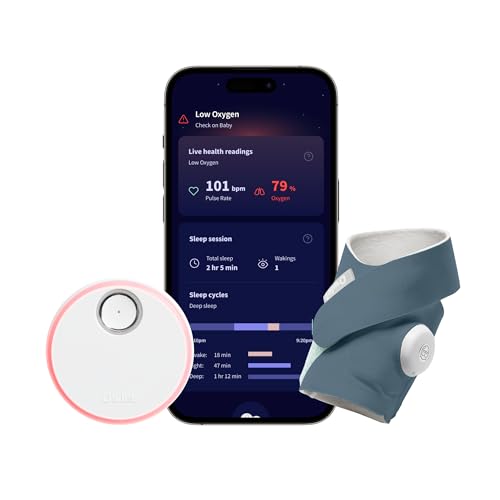
The Owlet Dream Sock records real-time heart rate and oxygen levels with alerts when readings depart preset zones. It’s designed for healthy infants aged 1–18 months and provides peace of mind via base-station and app notifications. Ideal for parents who want continuous health monitoring without constant video checks during naps and night sleep.
Who it’s best for: families seeking real-time vitals with straightforward alerts. Why chosen: widely recognized as a top seller for its alert system and ease of use. Caution: oxygen tracking requires proper fit and skin contact to maintain accuracy.
Owlet Dream Sock Smart Wearable – Mint Version

This model shares the same core features as Owlet Dream Sock, focusing on real-time pulse and oxygen tracking with alerting via app and base station. It’s tailored for parents who prefer consistent notifications and a familiar, integrated monitoring ecosystem. The data is accessible on the parent app for sleep insights and trends.
Who it’s best for: households wanting reliable vitals tracking with consistent app-based insights. Why chosen: it complements sleep-tracking routines with proactive alerts. Caution: requires proper sensor placement for accuracy during movement.
Owlet Dream Duo (Gen 3) Smart Baby Monitor

The Dream Duo combines a 2K HD Dream Sight camera with the FDA-cleared Dream Sock, delivering a 360-degree health and safety view. It tracks heart rate and oxygen while delivering video for visual verification. This is best for parents who want a single, integrated system for both health data and live video.
Who it’s best for: families seeking comprehensive monitoring with a strong video component. Why chosen: the deep integration of health metrics and high-resolution video supports quick, confident responses. Caution: higher setup complexity and data usage compared to sock-only models.
Sense-U Smart Sock Shoe 2 Long Range

The Long Range version extends monitoring via a base station with notifications and supports twins. It enables viewing sleep data remotely and requires a 2.4G private Wi-Fi network for the base station to connect. Best for families with twins or those who want remote access to baby data from anywhere.
Who it’s best for: households needing remote visibility and twin-monitoring capability. Why chosen: the base station and remote alerts provide flexible monitoring from any room. Caution: relies on a private Wi‑Fi network; ensure compatibility with your home setup.
Buying Guide: Choosing the Right Ankle Monitor for Your Baby
Key considerations for selecting a baby ankle monitor include accuracy, alerts, ease of use, and ecosystem.
- Monitoring focus: Do you need heart-rate and oxygen tracking, basic movement, or full video plus health data?
- Alerts and notifications: Are on-device cues, base-station alerts, and app notifications important to you?
- Remote access: Is monitoring from multiple rooms or locations necessary, including twin support?
- Connectivity: Will you use a base station and Wi-Fi, or prefer standalone devices with optional app integration?
- Age range and fit: Ensure compatibility with your baby’s age and size, plus comfortable sensor placement.
- Ease of setup: Some systems offer quick setup; others require more configuration, especially for video components.
Frequently Asked Questions
- What is an ankle monitor for a baby used for?
It tracks vitals or movement to help caregivers respond quickly to potential concerns during sleep.
- Do these monitors require a subscription?
Options vary; some provide continuous alerts via base station and app without mandatory ongoing fees, while others may offer premium analytics through an app.
- Are ankle monitors safe for newborns?
Reputable models are designed with soft, non-invasive materials and safety-focused sensors; follow manufacturer instructions for fit and use.
- Can I monitor twins with one system?
Some models explicitly support twin monitoring via a base station or multiple sensors; verify twin compatibility before purchase.
- Is a video monitor necessary if vitals are tracked?
Video adds visual confirmation and can help with quick checks, but it’s optional depending on your preferred level of reassurance.