Finding a carrier that works for both front-facing moments and back carries is essential for growing families. This guide highlights five versatile options that support newborn to toddler years, with ergonomic designs and adjustable fits. The best picks cater to parents who want hands-free versatility, comfort on long walks, and easy sharing among caregivers. Each product section explains who it’s best for, why it was chosen, and a practical limitation to consider.
| Product | Best For |
|---|---|
| Infantino Flip 4-in-1 Convertible Baby Carrier (Gray) | Families needing four carry positions and broad caregiver fit |
| MOMTORY Safety-Certified 6-in-1 Carrier | Active parents seeking many position options and a hip-seat |
| Infantino Flip Luxe 4-in-1 Convertible | Parents who want lumbar support and premium materials |
| Momcozy 2-in-1 Carrier With Hip Seat | Long outings and multi-position support with hip-seat comfort |
| Safety 1st 4-in-1 Carrier | Budget-conscious shoppers needing all-season, ergonomic design |
Infantino Flip 4-in-1 Convertible Carrier (Gray)
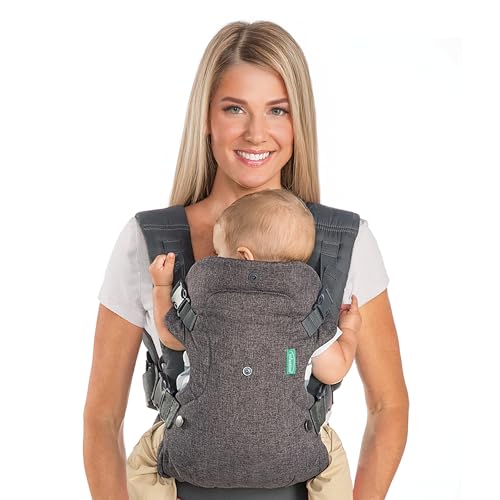
This carrier supports four positions: facing-in narrow, facing-in wide, facing-out, and back carry, suitable from 8 to 32 pounds. It emphasizes ergonomic babywearing with padded shoulder straps and a wide waist belt to distribute weight, reducing strain for caregivers during errands or adventures. It’s adjustable for different caregivers including moms, dads, or grandparents. Best for families wanting versatility in a single carrier and straightforward adjustments.
Caution: For very petite babies, ensure the narrow seat setting provides proper head and neck support and that the seating configuration remains secure during transitions.
MOMTORY Safety-Certified 6-in-1 Carrier

This all-season carrier grows with your child, offering six carrying positions from infancy to toddlerhood. It features adjustable shoulder straps and a supportive waist area for a comfortable fit among different body types. The design emphasizes skin-friendly fabric and a seamless fit for long days out, making it a practical pick for parents who want a single carrier for multiple stages. Best for: active families needing a flexible, long-use carrier.
Caution: The setup can be more complex due to its many positions; take time to practice transitions to maintain a secure fit.
Infantino Flip Luxe 4-in-1 Carrier
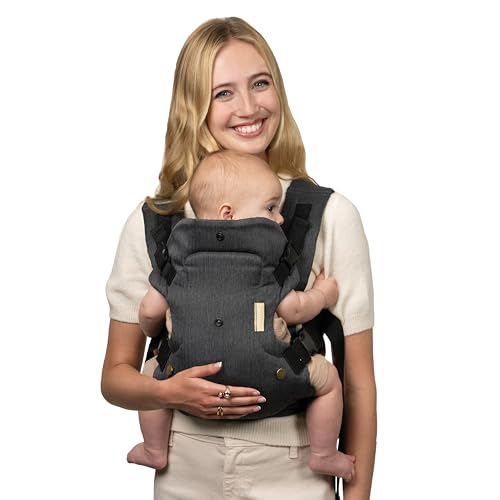
The Flip Luxe offers four carrying positions from newborn to toddler with an updated lumbar support belt and wider weight distribution for enhanced comfort. The ergonomic seat and adjustable fit adapt to the baby’s growth and caregiver’s body type. This is a strong pick for families prioritizing back support during longer carries or daily activities. Best for: bigger babies or parents needing extra lumbar relief.
Caution: Higher price point than entry-level models; consider whether the extended luxuries justify the cost for your routine.
Momcozy 2-in-1 Carrier With Hip Seat (Black)

This 2-in-1 design includes a hip seat and multiple positions, including hip, cradle, forward-facing, and back carry. It supports babies from about five months and up to 44 pounds, with a 360° rotation to adapt to different activities. The firm seat helps promote a natural hip position, aiding development. Best for: parents who want a flexible, long-use carrier with a dedicated hip-seat option for comfort during longer strolls.
Limitation: For younger infants under five months, use the cradle position and ensure proper head support for safety and comfort.
Safety 1st 4-in-1 Carrier

This all-season design uses breathable mesh to promote airflow and features an ergonomic M-seat to support healthy hip development. It offers four positions: newborn-facing-in, growing-stage wide seat, outward-facing, and back carry. It’s designed to stay cool in warm weather and is built for ongoing use from newborn to toddler years. Best for: budget-conscious families who want ergonomic, year-round comfort with multiple carrying options.
Caution: While breathable, mesh may require extra care to keep clean in dusty environments or on longer outdoor trips.
Buying Guide
- Carrying positions: Look for carriers that offer front-facing, facing-in, and back carry options to maximize versatility as your child grows.
- Ergonomics and weight distribution: Prioritize models with wide waist belts and structured seats to support the wearer’s back and hips while maintaining baby’s ergonomic “M” position.
- Fit for caregivers: Choose adjustable straps and buckles that accommodate different body types and genders. Shared wearability is a key benefit of multi-position designs.
- Age and weight range: Verify the recommended weight range to ensure the carrier will be suitable from newborn through toddler years.
- Fabric and breathability: For all-season use, breathable mesh or lightweight fabrics help regulate temperature for both parent and baby.
- Maintenance: Check for ease of cleaning and how well the carrier holds up with frequent use and machine washing if applicable.
- Safety features: Ensure secure fastenings, supporting materials, and head/neck support for younger infants are clear and reliable.
Frequently Asked Questions
- What is the benefit of a front and back carrier? – It gives hands-free versatility while keeping the baby close, with options for comfort and exploration as the child grows.
- Which carrier is best for newborns? – Look for models with a narrow seat option and proper head/neck support for newborns, plus adjustable fit for caregivers.
- Are hip-seated carriers safer for hip development? – A well-designed hip-seat can promote natural alignment, but ensure the seat supports a healthy position from infancy onward.
- How important is lumbar support? – Lumbar support reduces caregiver strain during extended wear, helping maintain posture and comfort.
- Can one carrier replace multiple products? – Many 4-in-1 or 6-in-1 carriers can cover front and back carries across several stages, potentially reducing the need for multiple devices.
- Is there a risk with front-facing carries? – Front-facing carries should be used when the baby has neck and head control and the caregiver can support the weight effectively.