If you’re searching for the best baby carrier for walking, this guide highlights options that balance comfort, ergonomics, and versatility. These carriers are chosen for caregivers who want steady support during strolls, park outings, or quick errands, while keeping baby safely positioned. Each pick targets a different scenario—newborn to toddler growth, easy on/off design, or a hip-seat option for longer walks. The summary table below helps you compare at a glance and identify who each product is best for.
| Product | Best For |
|---|---|
| Infantino Flip 4-in-1 Convertible | Parents seeking versatile positions (facing-in, facing-out, back carry) from newborn to toddler |
| Watolt Walking Harness | Caregivers teaching walking with back support and confidence-building function |
| MOMTORY 6-in-1 Carrier | Families needing multiple carry options and hip-seat comfort for growing kids |
| Infantino Flip Luxe 4-in-1 | Parents who want premium lumbar support and ergonomic adjustment for long walks |
| Momcozy 2-in-1 Hip Seat Carriers | Active parents seeking six-position versatility and hip-seat stability |
Infantino Flip 4-in-1 Convertible Carrier
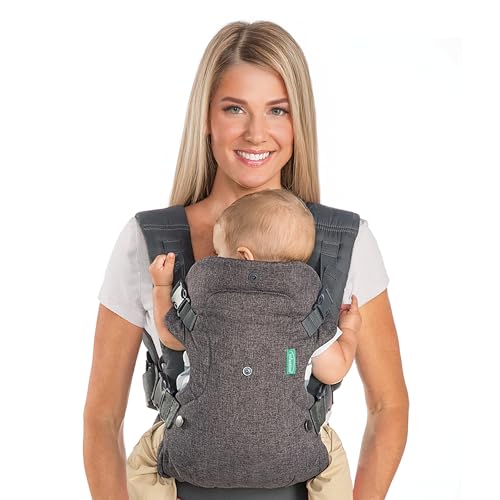
This 4-in-1 carrier provides multiple carrying positions to accommodate a growing child. It supports newborn to toddler (8–32 lbs) and offers facing-in, facing-out, and back carry options. It emphasizes ergonomic babywearing with padded shoulder straps and a wide waist belt to distribute weight, helping reduce back and shoulder strain during errands or park days. Adjustable fit makes it suitable for different caregivers, including mom, dad, or grandparents. Best for families seeking a cost-effective, adaptable carrier without sacrificing comfort. A limitation is that it may feel bulkier than minimalist designs during quick, one-handed tasks.
Watolt Baby Walking Harness
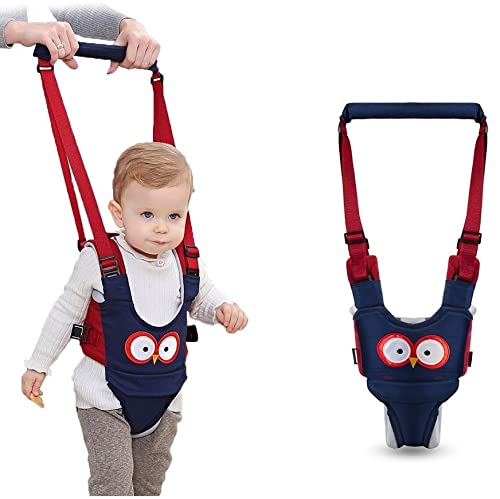
This handheld walker-style harness is designed to ease the process of helping a child practice walking. It reduces the need to lean or bend, helping caregivers minimize back strain. The 4-in-1 multifunction design supports different stages, from start-to-stand to self-walking, allowing caregivers to adjust to a child’s progressing walking ability. Best for caregivers who want hands-on support without fully carrying the child. A potential limitation is that some children may prefer more independent exploration as they gain confidence, reducing reliance on the harness over time.
MOMTORY 6-in-1 Baby Carrier

This all-season carrier covers infancy to toddlerhood with six carrying positions, including a baby hip seat for sitting or lying. It emphasizes safety and comfort with adjustable shoulder straps and a waist belt designed for different body types. It’s suited for families seeking a single carrier that grows with the child while maintaining a secure fit. A caveat is that the feature set can feel complex upfront; a brief adjustment period helps users optimize fit.
Infantino Flip Luxe 4-in-1 Carrier
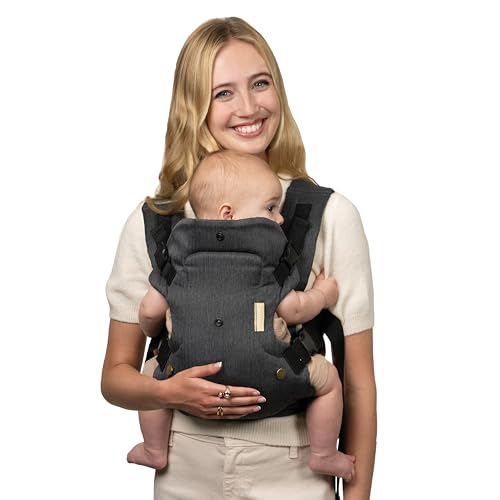
This upgraded model adds lumbar support and weight distribution improvements, while retaining four carrying positions for newborn to toddler use (7–35 lbs). The ergonomic seat and adjustable fit help align the baby’s hips and spine with caregiver comfort. Choose this if you want enhanced back support for longer wear. A potential drawback is the higher price point compared with simpler designs.
Momcozy 7-45lbs Ergonomic Carrier

This lightweight, ergonomic carrier grows with your child from newborn to toddler, offering three sizing positions and a natural M-position for hip and spine development. The built-in EVA waist support minimizes back strain, while padded shoulder straps ensure comfort during extended wear. Best for travel or daily use when a compact, supportive option is preferred. A limitation is that some users may want more carry positions beyond the standard three sizing options.
Momcozy Hip Seat Carrier

This 2-in-1 hip-seat carrier supports six positions, including cradle, hip, and forward-facing carry, plus back carry. It promotes a natural hip position with a firm, wide seat for stability. Best for active outings where the baby is curious about surroundings. A caveat is that under five months, parents should typically use the cradle position for better weight support and to maintain baby comfort.
Buying Guide: Key Considerations For Walking Carriers
- Age and weight range: Choose a carrier that supports your child’s current weight and accommodates growth without sacrificing ergonomic positioning.
- Carrying positions: Depending on your routine, decide whether you need facing-in, facing-out, back carry, or hip-seat options.
- Ergonomics: Look for seats that promote an M-position for hips and a snug back/shoulder fit for the caregiver to prevent strain during longer walks.
- Ease of use: Front buckles, adjustable straps, and simple transitions matter for quick errands and one-handed use.
- Seasonal comfort: All-season fabrics and breathable materials help with temperature regulation for both baby and caregiver.
- Durability and care: Check fabric and washability; removable components or easy-clean designs save time for busy parents.
- Safety features: Verify secure fasteners, sturdy waist support, and proper weight distribution to minimize fatigue and maximize control.
Frequently Asked Questions
- What is the best carrier for newborns versus toddlers?
– Carriers with an ergonomic seat, proper leg positioning, and weight ranges that include newborns (8–12 lbs) are ideal for infants, while models supporting up to 32–45 lbs suit toddlers. - Are hip-seat carriers better for long walks?
– Hip-seat designs provide stable seating and can reduce caregiver fatigue during longer strolls, but some parents prefer back carries for very active toddlers. - Should I choose a 4-in-1 carrier over a 6-in-1 carrier?
– A 4-in-1 offers essential versatility for many parents, while a 6-in-1 expands options for growing children and varied activities, which can be valuable during frequent outings. - How important is lumbar support?
– Lumbar support helps maintain posture and reduces back strain, especially during extended wear or when carrying heavier babies. - Can these carriers be used for travel?
– Yes, many are designed for lightweight, on-the-go use, with compact designs and adjustable fit suitable for travel days. - Do these carriers require a break for baby’s hips?
– Regular breaks are recommended during longer periods of carrying to allow movement and to keep bonding comfortable for both baby and caregiver.