Answering the question “which baby ear muffs are best for sleep?” this guide highlights five top options that balance comfort, safety, and effective noise reduction. These choices are ideal for parents seeking to protect a baby’s delicate hearing during naps, flights, fireworks, or busy environments. Each product is chosen for comfort, safety certifications, and suitability for ages 0–48 months. The buyers’ guide at the end helps compare fit, material, and noise reduction levels to match your child’s needs.
24 dB
| Product | Age Range | Noise Reduction | Why It Stands Out |
|---|---|---|---|
| Alpine Muffy Baby Ear Protection (Green) | 0–36 months | Adjustable, comfortable fit; strong safety design | |
| HOIGRBOM Baby Headphones | 0–48 months | 24 dB | Pressure-free design; versatile environments |
| MAMAZING Baby Ear Muffs | 3–48 months | 25 dB | CE & ANSI certified; stepless headband |
| Alpine Muffy Baby Comfort (Green) | 3–48 months | 24 dB | Soft fit; durable and safe |
| Floriogra Baby Headphones | 0–36 months | 25 dB | Zero-pressure fontanelle design; BPA-free |
Alpine Muffy Baby Ear Protection — Green
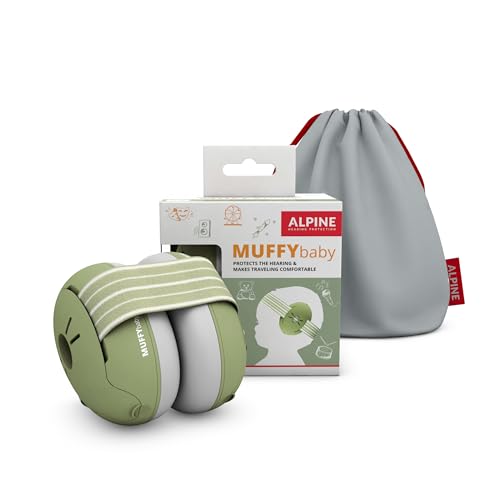
Best for: Parents seeking a classic, adjustable earmuff with a proven safety design. This model is suitable for babies up to 36 months and emphasizes noise reduction with soft padding and an anti-slip headband. The design avoids hard parts that could pose risks to delicate ears, making it a reliable option for sleep and travel.
Why selected: It combines multi-layer foam for noise reduction with comfortable materials and a secure fit that grows with your child. The product is CE and ANSI certified, reinforcing its safety credentials for daily use and during noisy events like fireworks or airplanes.
Caution: Fit may require adjustment as your child grows; ensure the headband sits evenly and the ear cups fully enclose the ears without excessive pressure.
HOIGRBOM Baby Ear Muffs — 0-48 Months

Best for: Parents who want a pressure-free, ergonomic design that protects a wide age range and suits travel, airplanes, and noisy outings. The stretchy headband accommodates growth and reduces scalp pressure on fontanelles.
Why selected: With 24 dB noise reduction, BPA-free materials, and a three-position adjustable headband, this option is designed for long wear and growing toddlers. It suits environments from airplanes to concerts while prioritizing comfort for sensitive babies.
Caution: As with any ear protection, monitor for signs of discomfort or heat buildup during extended wear, and remove if irritation occurs.
MAMAZING Baby Ear Muffs — 3–48 Months
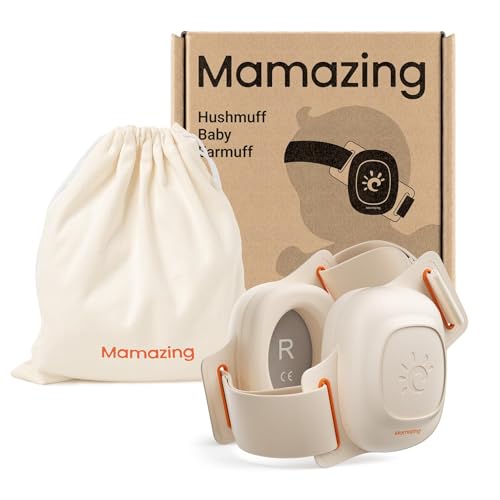
Best for: Families seeking a balanced ear protection solution with a higher 25 dB reduction for louder environments like stadiums or fireworks. The stepless headband design stretches to fit a wide range of head sizes.
Why selected: It offers CE and ANSI certification, providing confidence in safety standards. The soft materials and ergonomic angles reduce pressure on the head, making it more comfortable for naps or long trips.
Caution: The absence of preset size slots means frequent checks are needed to ensure a snug, non-slip fit as the child grows.
Alpine Muffy Baby Comfort — Green

Best for: Parents seeking an upgraded Alpine model with enhanced cushioning and a comfortable fit for longer wear, especially during travel or quiet-time naps. Suitable for ages 3–48 months.
Why selected: The 24 dB noise reduction and pre-attached ear cups deliver reliable protection. The design emphasizes comfort around soft spots and fontanelles, reducing pressure while maintaining a secure fit.
Caution: Although comfortable, ensure the headband is not too tight for infants and periodically check for signs of red marks after extended use.
Alpine Muffy Baby Ear Protection — Pink

Best for: Parents seeking a visually distinct option that offers the same protective features as other Alpine Muffy models, with a pediatric-focused fit for 0–36 months.
Why selected: Its protective design and adjustable headband provide a secure fit that reduces noise exposure during sleep, car rides, and crowded events. The product is designed to minimize pressure on the fontanelle while still enclosing the ears.
Caution: Availability may vary by color; choose a color that your child finds comforting to encourage consistent wear during naps or travel.
Floriogra Baby Headphones — 0–36 Months

Best for: Parents who want a 25 dB noise reduction with a BPA-free, skin-friendly design and zero-pressure fontanelle fit. Suitable for newborns through toddlers up to 36 months.
Why selected: It emphasizes a non-toxic, hypoallergenic construction and a roomy ear cup design that minimizes pressure. The low-profile, breathable headband helps keep babies comfortable for longer durations.
Caution: As with all baby earmuffs, ensure the headband is properly adjusted to avoid any tightness that could cause discomfort during long use.
Buying Guide: How to Choose Baby Ear Muffs For Sleep
- Age range and growth: Look for adjustable headbands with growth in mind. Some models cover 0–36 months, or up to 48 months, offering longer use as your child grows.
- Noise reduction level: Noise reduction values range from 24–25 dB. Higher values are better for louder environments but may feel bulkier; balance protection with comfort.
- Materials and safety: Prioritize BPA-free shells, hypoallergenic padding, and CE/ANSI certifications to confirm safety standards for infants and toddlers.
- Fit and comfort: Zero-pressure fontanelle designs and cushioned, adjustable headbands reduce discomfort. Check that ear cups fully cover the ears without excessive pressure.
- Usage scenarios: For travel, flights, concerts, and fireworks, choose models with durable construction and comfortable wear for longer periods.
- Maintenance: Select earmuffs with easy-clean materials or removable cushions to simplify cleaning after use in varying environments.
- Aesthetics and acceptance: Color and styling can influence wearability; a familiar or pleasing color may improve consistent use during naps.
FAQ for Buyers
- What age can babies start wearing ear muffs? Most models are designed for infants and toddlers from 0 to 36 or 48 months, with some extending to 5 years depending on fit.
- Do earmuffs affect a baby’s hearing development? When used as directed, earmuffs protect hearing by reducing exposure to loud sounds in noisy environments.
- Are these safe for newborns? Many products specify 0–3 months or 0–36 months; always follow the manufacturer’s guidelines and consult a pediatrician if you have concerns about fit.
- How do you know if the fit is correct? The ear cups should enclose the ears without pressing on the fontanelle, and the headband should sit snugly but comfortably without leaving red marks.
- Can earmuffs be worn for long durations? Yes, if the design emphasizes soft padding and a pressure-free fit. Periodic breaks are recommended for extended wear.
- Are these certified for safety? Look for CE and ANSI certifications as indicators of tested protection for young users.