Answering the common question: what are the best baby earplugs for reducing loud noises while keeping comfort and safety in mind? This guide highlights five top options ideal for babies and young children, explaining who each is best for, why it works, and any limitations to consider. Use in quiet sleep routines, flights, loud events, or at home during noisy activities. The top picks prioritize gentle materials, secure fit, and easy use for caregivers.
Buyer overview table (quick reference)
| Product | Best For | Key Benefit | Notes |
|---|---|---|---|
| Mack’s Soft Moldable Silicone Putty Ear Plugs (Kids) | Young children up to 6 | Custom moldable seal, water protection | Safe with ear tubes; bright color helps visibility |
| HEAROS Nanos NRR 28 (Extra Small) | Petite ears, sleeping | Small, secure fit with high noise reduction | Roll-down foam for custom fit |
| Alpine Muffy Baby Comfort | Infants to toddlers | 24 dB protection, soft, headband fit | CE & ANSI certified |
| Baby Earmuffs 25dB NRR (YomauiYee) | 0–36 months, travel | Fontanel-safe design, 25 dB reduction | Soft headband, hypoallergenic materials |
| MiniPlugs for Kids (Back Bay Audio) | Age 4–9 with small ears | Extra small, skin-safe materials | Slim fit, good sleep use |
Mack’s Soft Moldable Silicone Putty Ear Plugs – Kids
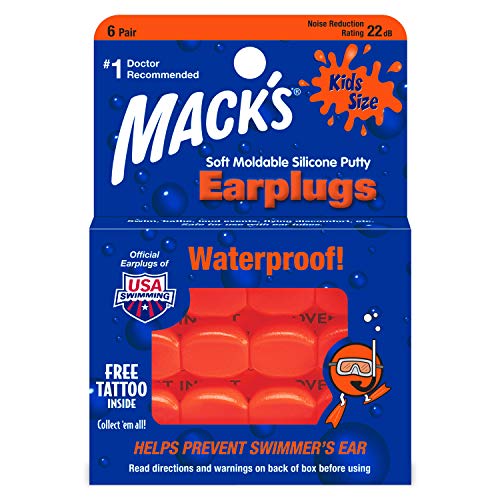
Mack’s kid-size silicone putty plugs are designed for children six years old and under and are widely used to help prevent swimmer’s ear while providing water protection after ear surgeries. They’re soft and moldable, allowing a customized seal that’s gentle on delicate kids’ ears. This makes them a strong option for kids who dislike hard plugs or who need coverage during swimming, bathing, or travel. Best for parents seeking a non-foam, reusable option with a visible color for supervision. A potential limitation is that some children may need help achieving the best seal, especially if ears are small or irregularly shaped. This product is especially suitable for young swimmers and families who value ear infection prevention and easy visibility.
Who it’s best for: Kids under 6, families wanting water protection and a doctor-trusted brand. Why selected: Moldable silicone fits varying ear shapes and is commonly used for water-related protection.
HEAROS Nanos NRR 28 (Extra Small)

HEAROS Nanos NRR 28 are designed for petite ears, including children and teens who need extra-small foam plugs. They offer a secure, soft fit that expands to tailor the seal while reducing background noise. These are popular for sleeping, travel, and busy environments where smaller ears need protection without sacrificing ability to hear essential sounds. A caution: the extra-small size may be too snug for some mildly older kids with larger ear canals, so try a sample before extended use. They’re a solid pick for families who want reliable, high-noise reduction in a compact form.
Who it’s best for: Petite ears, children and teens needing strong noise reduction without bulky plugs. Why selected: The small fit and high NRR provide effective protection in a compact package.
MiniPlugs – Kids (Back Bay Audio)

MiniPlugs are extra-small earplugs designed for children aged roughly 4–11 years with small ear canals. They are skin-safe, lab-tested, and hypoallergenic, making them suitable for nightly use and sleep privacy. The slim design suits kids with sensory sensitivities who might resist bulkier protectors. Limitation: some kids still prefer closed headphones for entertainment, so consider a quieter environment first and assess fit during sleep trials. This choice is ideal for families seeking a gentle, skin-friendly option for night-time noise reduction.
Who it’s best for: Kids with small ears and sensory sensitivities who need a slim, skin-safe plug for sleep. Why selected: Slim fit plus hypoallergenic materials support comfortable all-night wear.
Alpine Muffy Baby Comfort

Alpine Muffy Baby Comfort earmuffs are designed for babies and toddlers, offering 24 dB of noise reduction with pre-attached cups and a comfortable, adjustable headband. They are CE and ANSI certified, which provides a level of safety assurance for parents. Best for babies exposed to fireworks, crowded venues, or flights where noise levels can be high. A potential limitation is that some infants may resist wearing headbands during initial use, so gradual introduction helps. Choose these if you want a dedicated baby-specific earmuff with certified protection.
Who it’s best for: Babies and toddlers needing reliable, adjustable protection. Why selected: Certified protection with a comfortable fit designed for little ears.
Alpine Muffy Baby Ear Protection (Black)

This Alpine Muffy model shares the same purpose as the Comfort version but presents a different color option. It provides the same 24 dB reduction, adjustable fit, and soft ear cups suitable for babies and toddlers up to 36 months. It’s a solid pick when you want color variation for easier supervision and identification in busy settings. A limitation is similar to other earmuffs: sizing can be crucial for a secure, comfortable fit in very young children, so proper adjustment is essential.
Who it’s best for: Parents who prefer a color option and consistent protection for infants. Why selected: Identical protection with a different visual choice for convenience.
Baby Earmuffs 25dB NRR – YomauiYee

These earmuffs are designed specifically for babies up to 36 months, offering 25 dB of noise reduction and a fontanel-safe, adjustable headband. They’re intended for use during flights, fireworks, concerts, and other high-noise events. The product emphasizes gentle pressure and hypoallergenic materials suitable for sensitive baby skin. A caution: check fit around the fontanelle and adjust regularly as the baby grows. This option is best for frequent flyers or families attending loud events with very young children.
Who it’s best for: Very young babies during travel and noisy events. Why selected: Fontanelle-friendly design and practical 25 dB protection.
Buying Guide: Key Considerations for Baby Noise Protection
- Age and fit: Choose products sized for your child’s age and ear canal size. Small or extra-small designs work best for infants and toddlers but must stay securely in place without discomfort.
- Protection level: Higher dB reduction is useful in loud environments, but ensure the protection is not excessive for daily awareness and safety.
- Materials and safety: Hypoallergenic, skin-safe materials help prevent irritation. Look for CE or ANSI certification when available for added safety assurances.
- Comfort and wearability: Soft headbands or moldable inserts improve wear during naps or travel. Consider ease of use for caregivers during lining-up or changing routines.
- Water protection vs. hearing protection: For bath and swimming use, prioritize water-seal designs or putty formulas that minimize water ingress while preserving hearing.
- Reuse and care: Reusable plugs require cleaning and storage practices to maintain hygiene. Check manufacturer care instructions before first use.
FAQ
- What should I look for in a baby earplug?
Look for size-appropriate, skin-safe materials, adjustable fit, and clear labeling for infant use. Consider whether you need water protection or pure noise reduction. - Are earmuffs better than plugs for babies?
Earmuffs provide full-ear coverage and can be easier to manage for babies during travel or in loud environments. Plugs offer a more compact option for swimming or sleeping, depending on the child’s tolerance. - Can these be used for newborns?
Some models are designed for babies up to 36 months or 4 years. Always follow manufacturer age guidelines and consult a pediatrician if unsure. - Will earplugs affect a child’s hearing development?
When used as directed and not overused, proper ear protection helps prevent temporary hearing damage without impacting long-term hearing development. - How long can my child wear ear protection at a time?
Start with short periods and gradually extend as comfort allows. Always monitor for signs of discomfort or irritation. - Do these require supervision during use?
Yes. Supervision is recommended, especially for infants and toddlers, to ensure a proper seal and prevent choking hazards with accessories.