Starting solids is a key milestone where safe, easy-to-clean feeding tools matter. This guide highlights five top options that simplify self-feeding, reduce mess, and support safe texture transitions for babies and toddlers. Each product is best for different needs—self-feeding practice, teething relief, durable utensils for busy caregivers, and simple homemade meal prep. The table below provides quick comparisons to help you choose.
| Product | Best For | |
|---|---|---|
| POIKSHARK 2 Pack Silicone Fruit Feeders | Safe self-feeding with fresh foods | One-piece design, BPA-free, easy cleaning, microwave-safe |
| Frida Baby Push Pop Silicone Feeder | Teething relief and safe food exploration | Stand-up cap keeps filling tidy; works with fresh or frozen foods |
| Munchkin Baby Feeder 2 Pack | Beginner solids for small mouths | Choking-reduction design; suitable for various soft foods |
| NumNum Baby Spoons Set | First self-feeding spoons for BLW style feeding | Pre-spoons with grip-friendly handles; aids transition to regular spoons |
| PandaEar Silicone Baby Feeding Spoon Set | Independence in feeding | 100% food-grade silicone; shallow spoons for controlled portions |
POIKSHARK 2 Pack Silicone Fruit Feeder

Best for: Parents introducing new fruits and soft textures as infants begin solids. These feeders use a soft silicone pouch with tiny holes to encourage self-feeding while limiting piece size. The one-piece handle design reduces choking hazards and simplifies cleaning. Safety features include BPA, PVC, and phthalate-free construction. The feeders are dishwasher-safe and suitable for boiling or microwaving for deep cleaning. Caution: ensure food pieces are small enough to pass through the holes and monitor chewing during use.
Frida Baby Push Pop Silicone Feeder

Best for: Babies starting solids who benefit from teething relief and a mess-minimizing design. The feeder is designed to encourage independent feeding and features a stand-up cap for easy filling and surface cleanliness. Works with chilled or frozen foods to soothe gums. Caution: the capacity is small, so keep portions appropriate for your baby’s appetite and stage.
Munchkin Baby Feeder for Fresh Food and Fruit
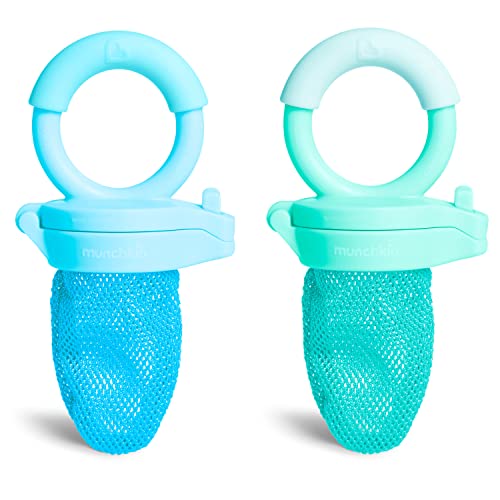
Best for: Families seeking a compact, versatile feeder to introduce solids like purees, bananas, and soft fruits. The design helps reduce choking risk by allowing only small, digestible pieces through. Suitable for frozen breastmilk and other soft foods, making it a practical option for varied textures. Caution: not recommended for very hard solids; supervise during first uses.
NumNum Baby Spoons Set

Best for: Toddlers and babies 6+ months learning self-feeding with a gradual transition to regular spoons. Pre-spoon design is easy for tiny hands and doubles as a soothing teether. The set aims to reduce mess and teach the feeding motions needed to graduate from purees to thicker foods. Caution: contoured handles may require guidance for very young infants; monitor for any discomfort while chewing.
PandaEar Silicone Baby Feeding Spoon Set

Best for: Parents seeking a larger set of soft, forgiving spoons for daily feeding. The 100% food-grade silicone is BPA-free and dishwasher safe. Spoons are shallow for controlled portions, helping new eaters practice self-feeding with minimal mess. Caution: ensure spoons are cleaned thoroughly to prevent food buildup in crevices after multiple uses.
Buying Guide
What matters most when selecting baby feeding tools for starting solids?
Texture and Safety First
Look for BPA-free, phthalate-free silicone or plastic. Soft silicone is gentle on gums and reduces gagging. Ensure the holes or openings in feeders are appropriately sized to prevent large pieces from passing through.
Ease of Cleaning
Choose items labeled dishwasher-safe or easy to hand-waste clean. Dismantlable pieces and simple designs minimize hidden crevices where food can linger. If possible, prefer microwave or boiling-safe options for deep cleaning.
Self-Feeding Readiness
For babies just starting solids, opt for items with simple grips and intuitive use. Spoons with contour handles and feeders with one-piece designs can reduce confusion and choking risks as skills develop.
Durability and Longevity
Invest in products built to withstand daily use, including microwaving and freezing if you plan to use fresh or thawed foods. Durable spoons and bowls help you extend a single kit across multiple stages of feeding.
Mess Management
Suction bases, divided plates, and spill-proof cups help keep mealtime cleaner. Consider kits that combine several pieces into one set to minimize the number of separate items you need to manage.
Practicality Across Textures
Start with softer purees and gradually introduce thicker textures. Tools that accommodate both fresh and frozen foods can simplify transitions and reduce the number of separate devices you require.
FAQ
-
What age should I start using feeder spoons and fruit feeders?
These tools are commonly used when babies begin solids, typically around 4–6 months, depending on readiness and pediatric guidance.
-
Are these products safe to boil or freeze?
Many items in this guide are designed to be cleaned by boiling, microwaving, or refrigeration. Always follow the manufacturer’s cleaning instructions for your specific product.
-
What should I watch for with feeders and spoons?
Watch for small parts that may detach, ensure pieces are not excessively sharp, and supervise during all feeding to prevent choking hazards.
-
Can these tools be used for breastmilk popsicles?
Some feeders and push-pop styles support breastmilk or puree-based popsicles, but verify each product’s intended use and safety recommendations before freezing.
-
Which set is best for a busy caregiver?
Sets with multiple pieces, suction bowls, and two-pack configurations offer convenience by reducing the number of replacements you need to buy and wash.