Answering the question “What baby foods are best for a 7‑month‑old?” this guide highlights Stage 2 options designed for babies ready to explore new textures and tastes. These picks suit parents seeking organic or trusted brand options, easy on-the-go feeds, and simple ingredient lists. Top picks are best for caregivers prioritizing smooth textures, gradual flavor variety, and practical packaging. The following table compares five suitable products to help you decide quickly.
| Product | Best For | Format | Notes |
|---|---|---|---|
| Happy Baby Organic Stage 2 Pouches | Texture transition and veggie-forward flavors | Pouches | Clearly Crafted packaging; gluten-free; vegan option |
| Earth’s Best Organic Teething Sticks | Gum relief plus flavor exploration | Crunchy sticks | Dissolves with gums; teething-friendly |
| Gerber Stage 2 Fruit & Veggie Favorites Tubs | On-the-go variety pack | Tubs | Portion-controlled; mix of fruits & veggies |
| Gerber Stage 2 Chicken & Turkey Variety Jars | Introducing savory proteins | Jars | Stage 2 poultry options; easy pairing |
| Gerber Stage 2 Fruit & Veggie Pouches Variety Pack | Convenient real-fruit-and-vegetable pouches | Pouches | No added sweeteners; portable |
Happy Baby Organic Stage 2 Pouches

Product highlights: Clearly Crafted packaging shows ingredients clearly; Stage 2 is designed for eaters expanding flavors; organic and vegan-friendly options are part of Happy Baby’s range. Best for parents who want transparent ingredient visibility and a gentle transition from Stage 1 foods. This pack emphasizes simple fruit-and-vegetable blends that are easy to digest for a growing baby.
Best for: Families seeking clear ingredient labeling and a gentle progression in textures. Choose this if your baby is starting to explore multiple flavors at once. Caution: these pouches are easy to squeeze on the go; keep caps secured to prevent spills.
Earth’s Best Organic Teething Sticks

Product highlights: Dissolvable teething sticks made with organic fruit powders to ease gum discomfort while promoting self-feeding. This option is suitable for 6 months and older, making it apt for the 7‑month stage when babies show teething readiness. It blends simple organic ingredients for a safe baby snack that doubles as a teething aid.
Best for: Parents seeking a teething-friendly snack that blends flavor with gum relief. Better for: kids who are teething and showing interest in self-feeding. Caution: monitor during gnawing to prevent choking; ensure the piece dissolves adequately before swallowing.
Gerber Stage 2 Fruit & Veggie Favorites Tubs

Product highlights: On-the-go baby food with a variety of fruit and veggie purees in tubs. Stage 2 is designed for babies ready to explore textures. The tubs are convenient for portion control and easy to transport for outings or daycare. This pack includes multiple fruit-and-veggie pairings to support continued flavor development.
Best for: Busy parents needing portable, ready-to-serve options. Choose this if you want a mix of flavors in a single purchase. Caution: tubs can be opened and resealed; ensure the lid is tightly closed to preserve freshness and prevent leaks.
Gerber Stage 2 Chicken & Turkey Variety Jars

Product highlights: Stage 2 jars featuring chicken and turkey gravies for savory protein introduction. These jars cater to babies six months and older who are ready for more complex flavors and textures while maintaining a puree consistency. This option helps diversify protein exposure in a structured way.
Best for: Parents aiming to introduce poultry flavors in a controlled, puree format. Better for: babies who respond well to savory profiles. Caution: avoid if your baby has a known poultry allergy; always verify ingredient lists for any additives.
Gerber Stage 2 Fruit & Veggie Pouches Variety Pack
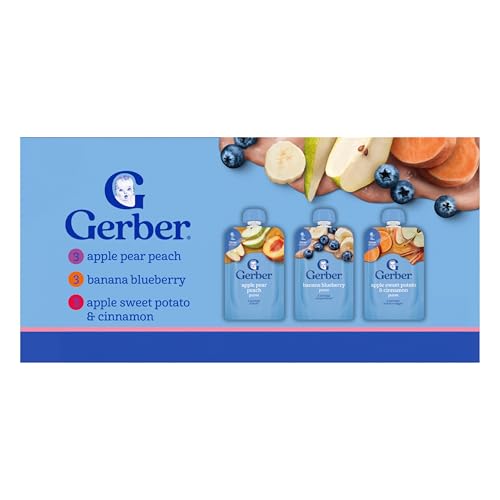
Product highlights: A no-added-sugar pouch variety set including real fruits and vegetables. Each pouch contributes to daily fruit/vegetable intake, with 30% daily value of vitamin C and two servings per pouch in many blends. Stage 2 suitability aligns with babies expanding palate and self-feeding skills.
Best for: Parents seeking convenient, no-added-sugar fruit-and-veg options. Choose this if you prefer real-fruit flavors without added sweeteners. Caution: monitor for choking hazards with pouch contents; supervise feeding and avoid firmness impracticalities for younger infants.
Buying Guide: Key Considerations When Choosing Stage 2 Baby Foods
- Texture and stage alignment: Stage 2 foods are designed for babies who are comfortable with more textures. Look for smooth blends that gradually introduce tiny flecks or softer chunks as they approach 9 months.
- Organic vs conventional: If avoiding pesticides matters, prioritize organic options like Happy Baby and Earth’s Best. Consider your budget and taste preferences when mixing organic with conventional alternatives.
- Packaging format: Pouches are convenient for on-the-go feeding, while tubs and jars suit at-home meals. Choose formats that align with your routine and your baby’s feeding preferences.
- Protein introduction: Begin incorporating gentle proteins (like poultry) as stage 2 progresses. Jars with poultry help diversify tastes beyond fruit-vegetable blends.
- Allergen awareness: If there’s a family history of allergies, introduce single-ingredient options first and watch for reactions. Always consult a pediatrician if there are concerns about allergen exposure.
- Label transparency: Clear ingredient lists help you assess additives, sugars, and sourcing. Brands with Clearly Crafted packaging can be easier to audit for ingredients you prefer.
- Storage and shelf life: Check refrigeration needs after opening. On-the-go packs should be resealable and easy to store in a diaper bag without leaks.
Frequently Asked Questions
- What texture should a 7-month-old tolerate?
Most babies at 7 months handle puréed textures with small amounts of smooth consistency; some may tolerate slightly chunkier blends as they progress. - Are Stage 2 foods suitable for all babies at 7 months?
Stage 2 is generally aimed at babies ready for more flavor variety and textures. Always follow your pediatrician’s guidance on introducing new textures. - Should I choose organic or conventional Stage 2 foods?
Organic options reduce pesticide exposure and are common in reputable brands, but conventional options can still meet safety standards. Your choice depends on preference and budget. - How many servings per day should a 7-month-old have?
Patterning meals and snacks varies by child. Start with 2–3 meals per day plus a few snacks, gradually increasing as appetite and tolerance grow. - Is it okay to mix different brands?
Yes, mixing brands can help vary flavors and textures, but introduce new items one at a time to monitor for reactions. - What about choking risks with pouch foods?
Always supervise feeding and avoid giving large, firm pieces. Pouches should be used in a controlled feeding setting rather than allowing a baby to chew directly on the pouch edge.