Answering the question “What is the best baby formula for a one-year-old?” this guide highlights formulas suited for infants transitioning from breast milk or early-stage formulas. Each option below is best for different needs, such as gentle digestion, iron support, or brain development. This selection intends to help parents and caregivers choose formulas that align with a one-year-old’s evolving nutritional needs while avoiding common irritants. The buyer profile ranges from parents seeking organic options to families prioritizing probiotics, DHA, or non-GMO ingredients.
| Product | Best For |
|---|---|
| Baby’s Only A2 Organic Milk Infant Formula | Gentle digestion, A2 beta-casein protein |
| Bubs Whole Goat Milk Formula with Iron | Goat milk option for sensitive tummies |
| Similac Advance Infant Formula With Iron | Brain & eye development, familiar choice |
| Happy Baby Organics Stage 2 Infant Formula | Organic with probiotics and prebiotics |
| Premium European Toddler Nutritional Milk Drink (PediaGROW) | Transition from formula; 1 year and older |
Baby’s Only A2 Organic Milk Infant Formula

Best For: Infants up to 12 months who benefit from an A2 protein profile and organic ingredients. The A2 beta-casein protein is marketed as gentler on digestion and may be easier on sensitive bellies compared with conventional cows’ milk proteins. This formula uses a proprietary fat blend designed to aid digestion and avoids corn syrup, palm oil, GMOs, artificial colors, sweeteners, and growth hormones. Suitable for parents seeking a simple, organic milk-based option with iron and essential vitamins.
Why it’s selected: It emphasizes an organic, additive-light formulation and an A2 milk base, which some families prefer for potentially gentler digestion. The product description notes the absence of common irritants and a focus on clean ingredients. Caution: As with any formula, monitor tolerance during the first weeks and consult a pediatrician if concerns arise about digestion or allergies.
Bubs Whole Goat Milk Formula With Iron

Best For: One-year-olds who might tolerate goat milk better than cow’s milk and need iron-fortified formula. Goat milk fat and minerals can be gentler on digestion for some infants, with added DHA/ARA and prebiotics to support gut health and development. The product is non-GMO with no artificial colors or preservatives, aligning with families seeking a more natural profile.
Why it’s selected: Goat milk formulas are commonly considered when there is sensitivity to cow milk proteins. This option emphasizes digestibility and gut-friendly nutrients while offering essential vitamins and prebiotics. Caution: Goat milk is not suitable for all babies; always check pediatric guidance before switching formulas.
Similac Advance Infant Formula With Iron

Best For: Families seeking a familiar, widely available option with iron and DHA to support brain and eye development. Similac Advance is designed to be easy to digest and draw from breast-milk-inspired nutrition. It’s a practical choice for households already accustomed to Similac products and who want a straightforward transition from earlier stages.
Why it’s selected: It emphasizes a balance of iron, DHA, and lutein to support cognitive and visual development. Caution: Some babies may prefer other formulas if digestion is an issue; be mindful of any gas or stool changes after switching.
Happy Baby Organics Stage 2 Infant Formula

Best For: Toddlers 6-12 months transitioning from Stage 1 or formula-first feeding protocols, seeking an organic option with added probiotics and prebiotics. This formula targets gut health, immune support, and digestion with a blend aligning with breastfed-like nutrient levels.
Why it’s selected: It is marketed as the only USDA organic formula with a probiotic/prebiotic duo near breast milk levels among organic brands, aiming to support softer stools and regularity. Caution: Probiotic supplementation may affect infants with certain medical conditions; consult a pediatrician if there are health concerns.
Premium European Toddler Nutritional Milk Drink (PediaGROW)
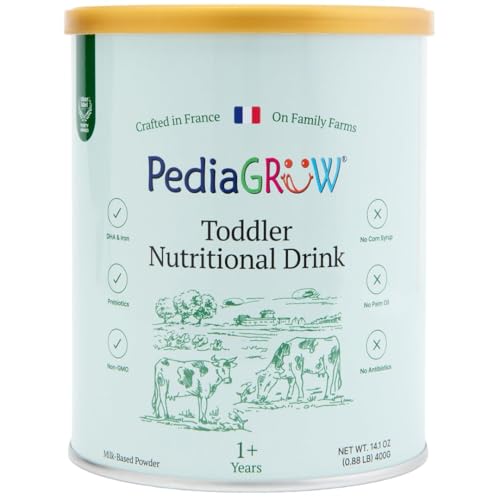
Best For: One-year-olds needing a nutrient-dense transition drink with DHA, iron, and protein. Made in France with grass-fed milk, it targets toddlers who are picky eaters or need supplementation during weaning. The product emphasizes a non-GMO profile and safety verifications for a clean-label approach.
Why it’s selected: A European-made option that focuses on high-quality ingredients and a broad spectrum of vitamins and minerals suitable for daily nutrition. Caution: This is a toddler-specific product; ensure it aligns with your pediatrician’s guidance on formula use beyond infant stages.
Buying Guide: Key Purchase Considerations
- Age suitability: Confirm the product is appropriate for a one-year-old and transitioning from infant formula if needed.
- Protein source: A2, goat milk, or cow milk options—consider digestibility, family preference, and any known sensitivities.
- Iron content: Iron-fortified formulas support growth and development; check daily iron levels recommended for toddlers.
- Digestive health: Probiotics, prebiotics, and fat blends can influence gut health and stool patterns.
- Organic vs. conventional: Decide if organic ingredients and absence of corn syrup or palm oil are priorities.
- DHA and lutein: Important for brain and eye development; compare levels across products.
- Allergies and tolerances: Be aware of potential milk protein sensitivities and consult a pediatrician if there is a history of allergies.
- Transition strategy: When introducing a new formula, do so gradually to monitor tolerance and digestion.
Frequently Asked Questions
- What formula is best for a one-year-old with digestion issues?
Look for formulas with probiotics and a gentle fat blend; goat milk or A2-based formulas may be considered if recommended by a pediatrician. - Should I choose organic formula for a one-year-old?
Organic options reduce exposure to certain additives and may align with family preferences, but ensure the formula meets pediatric nutritional needs. - Is DHA important for a one-year-old?
Yes, DHA supports brain and eye development; many formulas include DHA at levels near those found in breast milk. - Can I switch formulas anytime?
Switches should be gradual over 1–2 weeks to monitor tolerance; consult a pediatrician if there are persistent symptoms. - What should I monitor after starting a new formula?
Skin reactions, vomiting, persistent diarrhea, constipation, or unusual fussiness warrant professional guidance. - Do these formulas meet toddler nutrition needs?
Several options are designed for toddlers and early childhood nutrition, with added vitamins and minerals; verify age recommendations on each product.