Finding the right monitoring device for adults, seniors, or elderly care can hinge on privacy, simplicity, and reliable range. This guide highlights five no-WiFi options that are well-suited for private, local-only monitoring. Each pick emphasizes secure, direct connections, easy setup, and practical features for caregivers and family members. The top picks cater to different scenarios: pocketable portable monitoring, camera-and-audio setups for rooms, and screen-based monitoring for those who prefer a visual check. The summary table below helps compare core details at a glance.
| Product | Best For | Key Benefit | Estimated Range (approx.) |
|---|---|---|---|
| VTech DM111 | On-the-go parents and caregivers | DECT 6.0, no interference, belt clip | 1000 ft |
| GoodBaby HB6550 | Parents needing video and long battery life | 5″ display, 30-hour battery, remote PTZ | ~960 ft |
| Motorola AM21 | Quiet audio monitoring without video | DECT, private connection, high-sensitivity mic | Up to 1000 ft |
| HelloBaby HB6550 (HB6550 family) | Large-screen video monitoring | 5″ display, 355° pan/tilt, VOX | 1000 ft |
| CallToU Elderly Monitor | Senior care with wellness alerts | 2.4 GHz FHSS, SOS button | Private local range |
VTech Audio Baby Monitor DM111 — No Static, No WiFi

Features: No static, no white noise; DECT 6.0 digital transmission ensures a silent, interference-free connection. Encrypted FHSS channel keeps the link between baby unit and parent unit private, with no internet dependency. An 8-hour battery and belt clip enable hands-free movement around the home. A 1,000-ft range supports use across rooms and yards. Backups use AAA batteries if charging isn’t possible. A five-level sound indicator helps you gauge nursery noise without waking others. Alerts cover low battery, out of range, or sound activity above a user-set threshold.
Best for: Caregivers who want a compact, private audio monitor with long battery life and total wireless independence from WiFi or cloud services. This is ideal for busy households where privacy and reliability trump video features.
Limitations: It is audio-only. If you prefer video or temperature sensing, this device may not meet those needs.
GoodBaby 5″ Monitor With Camera — Long Battery Life

Features: A 5-inch HD display provides a crystal-clear view of the nursery. Remote pan (355°) and tilt (120°) with 2x zoom cover the room, while a 960-ft range keeps you informed from multiple areas. The 3500mAh battery supports up to 30 hours in VOX mode, reducing charging needs. Two-way audio and eight built-in lullabies aid caregiver communication and infant soothing. Auto wake VOX activates the screen when crying is detected, saving power.
Best for: Parents who want a capable video monitor with long battery life and wide room coverage. The remote PTZ and lullabies help with sleep training and quick checks from another room.
Limitations: The large screen adds weight and cost; ensure you have space for the receiver in your living area or bedroom.
Motorola AM21 — Audio-Only, Private Connection
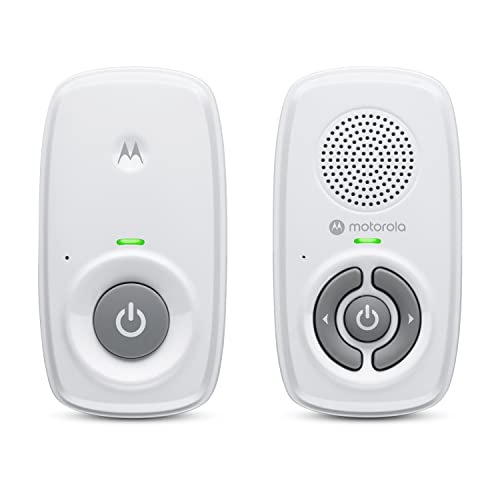
Features: DECT technology ensures a secure, private audio link with no WiFi. Long-range performance up to 1,000 ft allows you to monitor from another room while you complete daily tasks. The high-sensitivity microphone detects subtle sounds and alerts you when your baby cries, helping you respond quickly.
Best for: Households prioritizing a simple, dependable audio monitor with strong privacy and no video feature. Ideal where WiFi is unreliable or undesired.
Limitations: Audio-only means you won’t see visual cues; consider video-enabled options if you need visual confirmation.
HelloBaby HB6550 No-WiFi Monitor With 5″ Screen

Features: A 5″ color display supports remote pan (355°) and tilt (120°) with 2x zoom for a broad field of view. Night vision provides visibility in low light, while the non-WiFi setup uses FHSS and digital encryption for data security. The system supports VOX (voice-activated) mode and two-way talk for real-time communication. There are up to 1,000 ft of range to monitor from multiple rooms.
Best for: Families seeking a larger screen and robust night vision in a no-WiFi setup. This model suits caregivers who want to see baby activity and respond quickly.
Limitations: Video quality is dependent on interference-free 2.4 GHz FHSS; high-density environments can occasionally affect performance.
CallToU 2-Way Talk Elderly Monitor With Camera
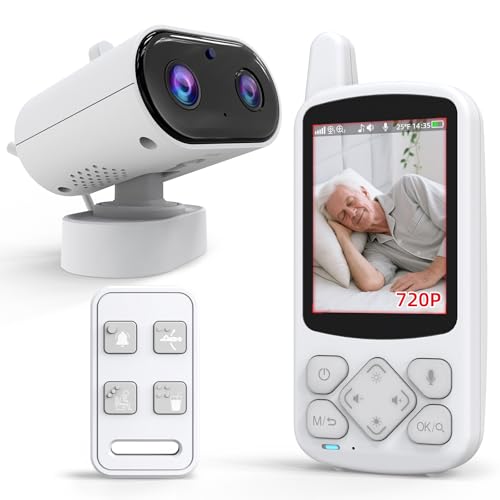
Features: No WiFi, operating on a secure 2.4GHz FHSS signal for private connections. Real-time camera and monitor support two-way audio with infrared night vision. The SOS assistive button and daily alerts (drink water, move, toilet, etc.) help caregivers monitor daily needs and respond promptly to emergencies.
Best for: Families desiring a comprehensive elder-care device with safety alerts and a simple one-button SOS for emergencies. Good for dementia and memory-support scenarios.
Limitations: Some users may prefer devices with a built-in health reminder system beyond the basic alerts; verify that the alert types match care needs.
Buying Guide
What matters most in a no-WiFi monitor for adults and elders?
- Connection type: DECT vs FHSS. DECT tends to offer clean audio with minimal interference. FHSS provides encrypted, private transmissions without internet.
- Video vs audio: Decide whether you need video, audio only, or both. Video adds visual reassurance but can consume power and bandwidth.
- Range: Look for models with at least 800–1000 ft to cover multi-room homes and some outdoor space.
- Battery life: Longer battery life reduces charging frequency, especially for portable units.
- Privacy and security: Ensure devices do not rely on cloud services or open networks.
- Ease of use: Large displays, simple menus, and reliable alerts help caregivers respond quickly.
- Special features: Night vision, two-way talk, lullabies, SOS buttons, and medication reminders can influence suitability for specific caregiving needs.
Should you choose audio-only or video?
Audio-only monitors deliver straightforward, private monitoring ideal for discreet rooms or spaces with privacy concerns. If visual verification is crucial for the care scenario, a video monitor with a good display and night vision is preferable. Consider the layout of your home and the caregiver’s routine when selecting.
Is portability important?
For caregivers who move around the house or work across rooms, a belt-clip or handheld unit can improve reaction times. Battery life and weight become important trade-offs with portability.
What about installation and setup?
No cloud or internet is required for these monitors. Simply power on the units, pair them if required, and you’re ready to monitor. Check that the receiver is within the recommended range in the rooms where monitoring will occur.
Maintenance and privacy tips
- Regularly replace batteries to avoid unexpected power loss.
- Keep devices in private, non-public areas to protect privacy.
- Secure firmware or software updates if offered, but avoid cloud-based integrations that introduce online exposure.
FAQ
- Q: Do these monitors require WiFi?
- A: No. All models listed operate on private, local connections (DECT or FHSS) without internet dependence.
- Q: Which is best for elderly care with reminders?
- A: Models with SOS buttons and daily alert reminders, like CallToU, are designed for caregiver responsiveness and elder care tasks.
- Q: Can I monitor multiple rooms with one unit?
- A: Some systems offer wide-angle or pan-tilt capabilities to cover more space; for strict multi-room monitoring, consider video with pan/tilt features.
- Q: What is the typical range for these devices?
- A: Most options provide up to 1000 ft of range in open space, which supports several room distances in typical homes.
- Q: Are video monitors safer than audio-only?
- A: Video adds visual confirmation and night vision advantages but may be more complex and power-intensive; choose based on caregiver needs.