When parents search for a baby breathing monitor, they want reliable alerts, easy use, and ways to track movement and sleep without constant worry. This guide presents five highly relevant options, each suited to different needs—from wearable sensors to non-contact monitors. Choose based on how you want to monitor breathing, detect movement, and receive alerts while you sleep. The table below summarizes key points for quick comparison.
| Product | ||
|---|---|---|
| Sense-U Pro Baby Breathing Movement Monitor | Travel-friendly monitoring with long battery life | |
| Owlet Dream Sock | Parents seeking continuous vital signs with real-time alerts | |
| BEMPU Baby Movement Monitor | Newborns needing gentle stimulation and quick alarms | |
| Babysense 7 | Non-contact, wide crib coverage and low false alarms | |
| Snuza Hero | Simple, portable monitoring with direct feedback |
Sense-U Pro Baby Breathing Monitor

Best for: Parents who want a clip-on, portable monitor that tracks abdominal movement, sleep position, and temperature with both app and audible alerts. The Sense-U Pro also provides gentle vibration to nudge a baby back to movement, and it supports up to seven days of monitoring on a single charge. This makes it a practical choice for daytime naps and overnight use away from the main power source. The device is designed for one-handed clipping, which helps during diaper changes and travel.
Why selected: It combines breathing monitoring with temperature insights and a clear alert system, helping caregivers stay informed without constant checking. The built-in vibration feature gives a first, non-intrusive nudge before escalating to an alert, which can reduce unnecessary wakeups. A potential limitation is the need to keep the clip securely attached for accurate readings, especially during active sleep.
Owlet Dream Sock Smart Monitor (Mint)

Best for: Parents who want real-time heart rate and oxygen tracking with alerts. The Owlet Dream Sock is positioned as a top-selling smart monitor, offering continuous vital-sign data and app-based sleep insights. It is intended for healthy infants up to about 18 months and emphasizes alerting the moment readings leave preset zones, helping families respond quickly.
Why selected: It provides a high level of clinical-style monitoring in a wearable format, which is particularly appealing for families with general health concerns or a history of respiratory issues. Limitation: Some families may prefer non-wearable options or may want to avoid wearing a sock during night use, depending on the infant’s comfort and activity level.
BEMPU Baby Movement Monitor

Best for: Parents seeking an affordable, non-intrusive clip-on device with gentle vibration and app alerts. The BEMPU monitor focuses on reliable movement detection and offers real-time notifications via a mobile app, along with a gentle vibrational cue to encourage movement before escalating.
Why selected: It emphasizes a balance of gentle monitoring with immediate alerts, which is helpful for newborns who need subtle prompts to resume breathing patterns. Caution: The effectiveness depends on consistent clip placement and battery management; ensure the device remains securely attached and charged for overnight use.
Babysense 7 Sleep Breathing Monitor
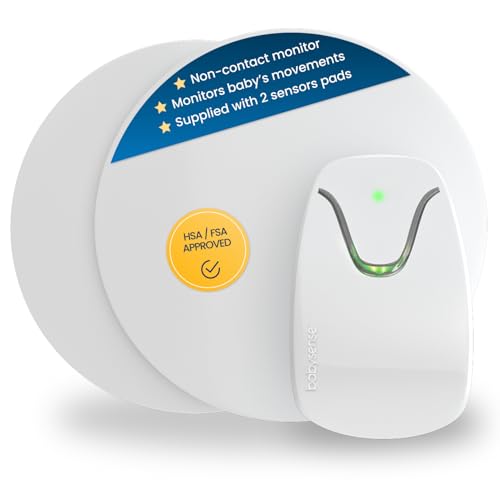
Best for: Families wanting a non-contact, under-matress solution with wide crib coverage. Babysense 7 uses two under-mattress sensors to monitor movement and breathing without wearable devices, making it a good choice for infants who resist wearing sensors at night.
Why selected: It provides crib-wide monitoring with minimal invasiveness and is HSA/FSA eligible in some contexts, which can help with reimbursement. Limitation: It relies on mattress detection, which may be influenced by bedding changes or crib setup; ensure proper installation for optimal sensitivity.
Snuza Hero Baby Movement Monitor

Best for: Caregivers seeking a portable, cord-free movement monitor with a clear alarm sequence. The Snuza Hero SE attaches to the diaper and provides a two-stage alert system: a vibration after 15 seconds of no movement, followed by an audible alarm after an additional 5 seconds with no movement detected.
Why selected: The direct-touch sensing and straightforward alert logic give a focused, dependable signal for quick caregiver response. Caution: It requires proper placement on the diaper, and external factors such as diaper type or movement can influence readings.
Buying Guide: Key Considerations For Choosing A Baby Breathing Monitor
What monitoring method fits your family lifestyle? Wearable monitors like Sense-U Pro, Owlet Dream Sock, and BEMPU provide individual baby data and alerts, useful for traveling or when you want continuous personal metrics. Non-wearable options like Babysense 7 offer comprehensive coverage without contacting the skin, which some parents prefer for comfort and simplicity. Consider how you want to receive alerts: push notifications, audible alarms, or both, and whether you want a device with video or audio features, such as 2.5K PTZ video in some Sense-U models.
How important is real-time breathing data versus movement detection? If you need continuous vital signs (heart rate and oxygen), wearable options are more informative. If your primary goal is detecting movement or absence of breathing, non-wearable sensors or clip-on monitors may suffice. Battery life, ease of clipping, and the possibility of false alarms are practical factors to weigh.
What about data storage and privacy? Some devices offer local storage, app-based history, and optional cloud storage. If you want to minimize recurring costs, look for models that do not require mandatory monthly subscriptions. Assess compatibility with smartphones and operating systems you use, as well as whether you want color video or night vision capabilities for additional reassurance.
Safety considerations: Ensure the device is approved for infant use if applicable and follows the manufacturer’s guidelines for placement and operation. Always use as directed and pair monitoring data with regular sleep safety practices, such as placing babies on their backs to sleep and keeping crib barriers intact.
Frequently Asked Questions
- Do baby breathing monitors reduce the risk of SIDS? They do not reduce risk directly but provide timely alerts and data that can help caregivers respond quickly to breathing irregularities.
- Are wearable monitors safe for newborns? Most are designed for infants and provide clip-on or sock formats; follow manufacturer instructions for placement and charging to ensure safety and comfort.
- What alerts should I expect from these monitors? Alerts typically include motion or breathing pauses, temperature changes, heart rate or oxygen deviations, and reminders via app notifications or audible alarms.
- Is there a best option for non-wearable monitoring? Non-wearable options like Babysense 7 offer broad crib coverage and reduced skin contact, which many parents prefer for continuous monitoring without wearing devices.
- Do these devices require subscriptions? Some models offer optional cloud storage or ongoing features, but several provide no mandatory monthly fees and store data locally or via the app.
- Can I use these monitors with other baby devices? Many monitors integrate with smartphones and general Wi-Fi networks; verify compatibility with your existing devices and home setup.