Buying the right bicycle carrier for your child means prioritizing safety, fit, and ease of use. This guide highlights five reliable options and explains who each is best for. Ideal buyers include new riders needing simple rear-mount solutions, parents seeking front-mounted control, and caregivers who want adjustable supports for growing kids. Use the quick-reference table below to compare key points quickly.
| Product | Best For | Key Benefit | Limitations |
|---|---|---|---|
| Bell Cocoon 300 Rear Mount Seat | New riders, up to 40 lbs | Secure 5-point harness, spoke guard | Fits 26–27″ bikes with rear rack |
| Yinbly Front Mounted Seat (B0GFKSYGQW) | Toddler riders, front-seat comfort | Full guardrail, adjustable height | Not for cylindrical top tubes or e-bikes |
| Bell Mini Shell Front Carrier | Compact front-cargo feel, quick setup | Ventilated, 3-point harness | More basic protection than larger seats |
| Schwinn Deluxe Child Bike Carrier | Family rides, adjustable padding | 3-point harness, removable headrest | Rear-mounted design with padding needs |
| UNIKOO Rear Kids Seat | Taller children, headrest option | Headrest adjustable, reflective safety | Rear-seat setup may require sturdy rack |
Bell Cocoon 300 Rear Mount Child Bike Seat

Product overview: This rear-mounted seat uses a secure 5-point harness, designed for ages 1 and up and supporting up to 40 lbs. The wrap-around bucket seat provides side-impact protection, and a molded spoke guard helps prevent feet from contacting the wheel spokes. A rear reflector improves visibility on low-light rides. Best for riders who want a straightforward, stable rear-seat setup on 26–27 inch bikes.
Who it’s best for: Parents seeking an affordable, straightforward rear-mounted option with strong safety features for a young child transitioning to bike rides. Why selected: It combines a trusted harness system with practical safety add-ons that align with common rider needs.
Caution: Ensure your bike has a compatible rear rack and check wheel clearance for your model. Some bikes with unusual rack dimensions may require adapters.
Yinbly Front Mounted Child Bike Seat for Adult MTB

Product overview: This front-mounted seat is designed to protect children aged 1–5 with a fully enclosed guardrail, anti-collision pad, foot protection straps, and a seat belt. It supports up to 55 lbs and uses high-carbon steel for sturdy construction. The angle is adjustable to fit sloped crossbars, ensuring a level seating position. Best for parents who want more front-row visibility and direct supervision during rides.
Who it’s best for: Families prioritizing front-seat control and safety features in a front-mount design. Why selected: It emphasizes all-around protection with reinforced materials and a robust guardrail system.
Caution: Not compatible with cylindrical top tubes or e-bikes. Check your bike’s top-tube width (1.18″–2″) to ensure fit and avoid interference with handlebars.
Yinbly Front Mounted Child Bike Seat (Alternative)

Product overview: Similar to the first Yinbly option, this seat offers an all-round safety package with a fully enclosed guardrail, anti-collision padding, and foot protection straps. It emphasizes quick installation and compatibility with most standard adult and mountain bikes, with the same up-to-55 lbs capacity. Best for riders who want multiple mounting choices with consistent safety features across models.
Who it’s best for: Parents who prefer a front-mounted seat with strong protection and easy setup on a variety of bike frames. Why selected: It provides the same protective design in a second configuration, expanding compatibility options.
Caution: Verify top-tube compatibility and avoid cylindrical or e-bike frames to ensure proper seating alignment and safe mounting.
Bell Mini Shell Front Carrier
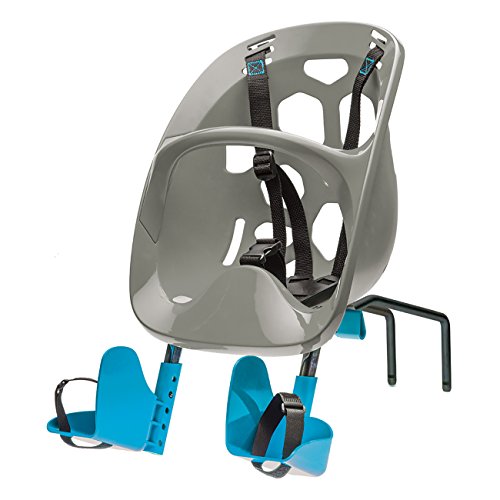
Product overview: This front carrier is designed for quick installation with a ventilated seat for child comfort. It uses a 3-point harness system for secure seating and is a compact option for front-mounting needs. Best for riders who want a lighter, easier-to-mount front carrier and frequent on/off use.
Who it’s best for: Parents seeking a compact front option that’s easy to install and remove for quick rides. Why selected: Its ventilation and harness design balance comfort and safety in a compact footprint.
Caution: It offers essential protection but may provide fewer features than larger, more robust front-seat models. Check weight limits and frame compatibility before purchase.
UNIKOO Rear Kids Seat

Product overview: This rear-mounted option includes an adjustable headrest and foam safety belt for secure seating. It also features reflective tape for visibility during night rides and a durable steel frame for strength. Best for taller children who benefit from headrest support on longer rides.
Who it’s best for: Families needing a rear-seat option with added headrest support and enhanced visibility. Why selected: The headrest adjustment and reflective features address growing comfort and nighttime safety concerns.
Caution: Style A may be a basic rear seat without a headrest; verify the exact model to match your child’s height and desired comfort level. Ensure your rear rack is sturdy enough to support a higher-weight seat.
Buying Guide: Key Purchase Considerations
What type of carrier should I choose?
Rear-mounted seats are typically easier to install and fit a wide range of bikes. Front-mounted seats provide more visibility and direct supervision of the child but add weight near the handlebars and may affect steering. Choose based on your riding style, bike compatibility, and comfort with front versus rear mounting.
What safety features matter most?
- Five-point or three-point harness with secure buckles
- Guardrails or edge protection to prevent limbs from slipping out
- Spoke guards and reflective elements for wheel safety and visibility
- Padded seating and adjustable headrests for growing children
Weight limits and age ranges
Most seats support children from about 1 year up to 40–55 lbs, depending on the model. Ensure the weight rating matches your child’s current and expected future weight to maximize safety and comfort.
Bike compatibility
Check for rack compatibility (rear rack width, attachment points) and top-tube diameter for front seats. Some front models exclude cylindrical top tubes or e-bikes, which can limit fit.
Installation and adjustment
Look for seats with clear instructions, tool-free or simple tool installation, and adjustable components (angle, headrest, foot straps) to accommodate growth and different bike geometries.
Visibility and maintenance
Reflective surfaces, weather-resistant materials, and a robust frame reduce risk on evening rides and extend seat longevity. Regularly inspect harness buckles and mounting hardware for wear or looseness.
FAQs
- Which bicycle seat is best for a newborn? Most baby carriers start at age 1. For younger infants, consider a more comprehensive carrier with secure head support and appropriate weight limits, or consult the manufacturer for age-specific recommendations.
- Can I use a front-mounted seat on a road bike? Front-mounted seats often require specific top-tube widths and frame designs. Check compatibility with your bike’s frame and handlebars to avoid interference during turns or braking.
- What is the maximum weight for rear-mounted seats? Most rear seats support up to 40–55 lbs, depending on the model. Always verify the exact limit for your chosen seat.
- Do these seats fit all bikes? Not all bikes are compatible. Verify rack compatibility, top-tube dimensions, and whether your bike has adequate clearance for the seat’s harness and legs.
- Is installation permanent? Most seats are designed for quick installation and removal, but some require tools or framework adjustments. Follow the included instructions carefully for safe use.
- What maintenance is required? Regularly check mounting hardware, harness straps, protection guards, and reflectors. Clean to prevent wear and ensure continued safety.