Answering the essential question for parents: these toddler bike helmets provide trusted head protection, adjustable fit, and ventilation for daily rides and activities. The top picks suit different needs—from ultra-cool designs to snug, secure fits for growing heads. Best for parents seeking durable, easy-to-adjust options that keep kids comfortable during longer outings.
| Product | Best For | Key Benefit |
|---|---|---|
| Retrospec Scout Kids Bike Helmet | Active toddlers and preschoolers | 14 vents and built-in sun visor |
| Bimalsic Toddler Helmet | Budget-conscious families | Durable shell, dual safety standards |
| Lemmeko Toddler Helmet | Growing heads | Two adjustable sizes with 11 vents |
| FIODAY Toddler Bike Helmet | All-around protection | Two sizes, US standards certified |
| OUWOER Kids Bike Helmet | Versatile use for ages 2-14 | Three sizes, 11 vents |
Retrospec Scout Kids Bike Helmet

Best for active toddlers who need reliable airflow and sun protection. This helmet combines impact-absorbing foam with a durable shell and a dial-adjust fit for secure wear. Its 14 vents promote cooling on hot days, making it a strong choice for long park sessions or family bike rides. The built-in sun visor shields eyes from glare, a helpful feature for sunny outings.
Who it’s best for: toddlers and preschoolers who ride often and require quick adjustability plus added sun protection. Caution: ensure proper dial fit as the sizing is offered in two overall sizes, and verify head circumference before purchase.
Bimalsic Toddler Helmet

Best for families wanting strong safety certifications and fun styling. This helmet emphasizes durability with a lightweight polycarbonate outer shell and extended head coverage per safety standards. It includes ample vents for airflow and an adjustable dial fit to accommodate growth, making it suitable for bike, scooter, and skate activities.
Who it’s best for: toddlers needing certified protection with a stylish look. Caution: verify the exact size range since 45-49 cm generally covers younger toddlers; ensure proper strap adjustment for a secure fit.
Lemmeko Toddler Helmet

Best for growing heads, with two sizes and 11 vents for airflow. The helmet uses a hard PC shell with cushioned EPS foam for impact absorption and has an adjustable knob and chin strap for a snug, secure fit as children grow. It’s well-suited for both indoor and outdoor activities.
Who it’s best for: families prioritizing adjustable sizing across early childhood, along with easy cleaning thanks to removable inner padding. Limitation: ensure correct size selection to avoid a loose fit in older or taller children.
FIODAY Toddler Bike Helmet

Best for parents who want certified protection in a compact, lightweight design. This toddler helmet uses a tough PC shell and thick EPS foam to cushion impacts. It is available in two sizes with rotatable adjustment and adjustable straps to ensure a secure, comfortable fit. It is certified to US safety standards for helmets.
Who it’s best for: families seeking a balanced blend of safety certifications, comfort, and easy adjustability. Caution: some users note the fit may run small; measure head circumference before choosing a size.
OUWOER Kids Bike Helmet
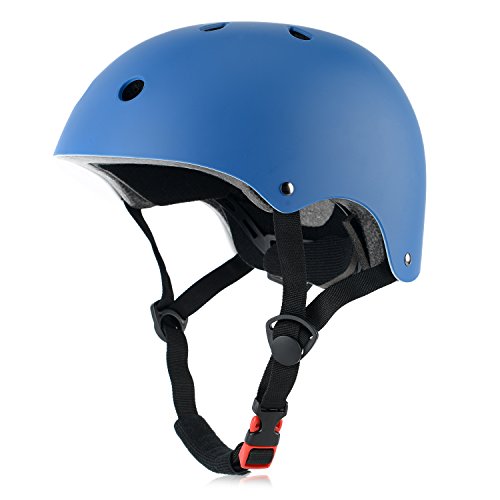
Best for families wanting a versatile, multi-size helmet suitable for both toddlers and older kids. This helmet uses an ABS shell with 11 vents for airflow, and offers three sizes to accommodate growth from toddler to youth levels. It complies with safety standards, making it a practical long-term option.
Who it’s best for: households seeking a single helmet line that lasts through several growth stages. Caution: verify the scale for very small toddlers to ensure a snug fit from the earliest uses.
Buying Guide
What size should I buy? Choose by head circumference and age range. Most toddler helmets come in XS to S or two sizes; some brands offer three sizes to cover longer growth. Measure just above the eyebrows around the widest part of the head for accuracy.
How important are certifications? Look for CPSC (U.S. safety standard) and ASTM approvals. Certified helmets better meet impact standards and give parents confidence in protection levels.
What features matter most? Key features include adjustable fit systems (dial or wheel), chin straps, ventilation for comfort, and sun visors for outdoor use. Removable and washable padding simplifies maintenance.
Are multi-sport designs better? For active kids who bike, scooter, and skateboard, a helmet with broad protection and comfortable ventilation can simplify purchases and ensure consistent protection across activities.
How should I test fit? The helmet should sit level on the head, cover the forehead about an inch above the eyebrows, and feel snug but comfortable. Chin strap should be snug but not restrictive, and the helmet should not move more than a finger’s width when pressed.
FAQ
- What age range do toddler helmets cover? Many models fit ages roughly 1-5 years, with some extending to early school age depending on head size.
- How tight should the chin strap be? It should be snug enough that you can fit one finger between strap and chin, but not so tight that it causes discomfort.
- Do helmets require replacement after a crash? Yes. If a helmet is involved in an impact, replace it even if no visible damage exists.
- Can a helmet be worn for multiple activities? Yes, many toddler helmets are designed for biking, scooting, skating, and similar activities, provided the fit remains secure.
- What about cleaning and maintenance? Remove inner padding to wash as needed; air dry completely before reuse to maintain shape and comfort.
- Is ventilation important for toddlers? Yes, good ventilation reduces sweating and keeps the child comfortable during longer rides.