If you’re shopping for booster seats for a five-year-old, you’re looking for safe, easy-to-use options that fit growing kids and work with your vehicle’s seat belt system. The following five picks are well-suited for children around 40–110 pounds and 40–57 inches tall. They emphasize secure installation, comfort, and adaptability as kids grow. Each section explains who it’s best for, with practical pros and a brief caution to consider before purchase.
| Product | Why It Stands Out | Best For |
|---|---|---|
| Graco TurboBooster 2.0 Backless – Denton | Backless design with strong crash-tested safety features | Big-kid comfort, simple use in smaller vehicles |
| Graco TurboBooster 2.0 Highback – Declan | 2-in-1 design with highback then backless | Growing kids who still benefit from head/side support |
| Graco TurboBooster 2.0 Backless – Trisha | Travel-friendly, top-rated booster with ProtectPlus | Families on the go who need light, portable seating |
| Chicco GoFit ClearTex Plus Backless | LATCH stability and easy one-hand removal | Busy households needing quick, secure transfers |
| Cosco Topside Backless – Leo | Lightweight, compact for travel between cars | Travel-friendly booster for frequent car switches |
Graco TurboBooster 2.0 Backless – Denton

This backless booster targets children aged roughly 4 to 10, supporting 40–100 pounds and up to 57 inches tall. It emphasizes safety with Graco ProtectPlus Engineered, which combines multiple crash tests to protect against frontal, rear, and rollover crashes, plus additional testing for varied climates and car interiors. Best for: parents needing a simple, durable booster for older kids who are already belt-positioned with a high back removed. Caution: lacks head support once installed as a backless only option.
Graco TurboBooster 2.0 Highback – Declan

This 2-in-1 seat converts from highback to backless, offering long-term use as your child grows. It features Graco ProtectPlus Engineered for enhanced safety and height-adjustable armrests and head support for comfort. Best for: families who want one seat that adapts from extra head/torso guidance to a leaner booster as kids transition away from high backs. Caution: the big 2-in-1 design may be bulkier to install in small vehicles.
Graco TurboBooster 2.0 Backless – Trisha

This backless booster is designed for ages 4–10, supporting 40–100 pounds and up to 57 inches tall. It uses Graco ProtectPlus Engineered for broad crash-test coverage and includes testing that reflects extreme interior temperatures. Best for: families seeking a budget-friendly, travel-ready booster with consistent safety testing. Caution: backless only—no side head support when used in backless mode.
Evenflo GoTime LX Booster – Astro Blue
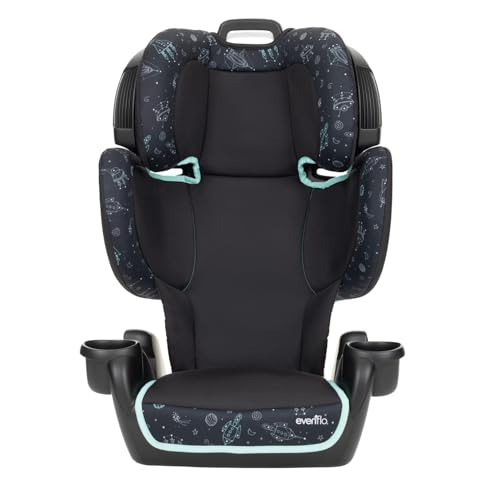
This booster supports children weighing 40–120 pounds and heights suitable for five-year-olds who are transitioning to belt-positioning with room to grow. It offers two transition modes, including a no-back option, with one-hand height adjustment across seven positions. Best for: households needing flexible use that adapts from highback to no-back as kids mature. Caution: adult belt fit varies with vehicle type, so verify belt-guide alignment in your car.
Chicco GoFit ClearTex Plus Backless
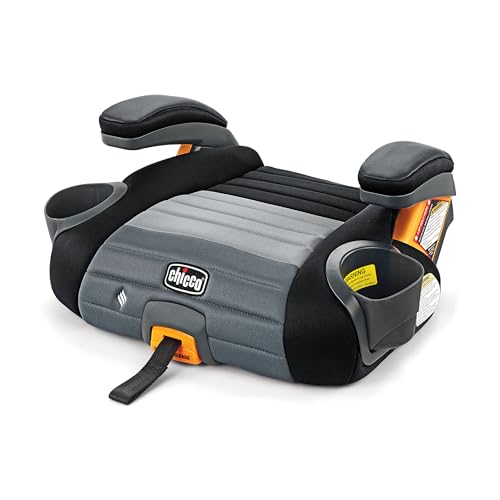
Designed for children at least 4 years old and 40–110 pounds, the GoFit ClearTex Plus uses a belt-positioning design with integrated lap belt guides and a shoulder belt clip to ensure proper fit. It includes LATCH stability and a quick-release design for one-handed removal. Best for: busy families needing a stable, easy-to-transfer booster with belt-positioning accuracy. Caution: backless mode provides less side head support compared to a highback option.
Cosco Topside Backless – Leo

The Cosco Topside Light booster helps kids 40–100 pounds and 43.4–57 inches tall sit properly by lifting them to seat-belt height. It’s lightweight and compact, ideal for travel between vehicles. Best for: families needing a portable, inexpensive booster for car-to-car use. Caution: backless design means less upper-body support than some highback models.
Buying Guide: What To Look For In A Booster Seat For A 5-Year-Old
Safety first: look for models that meet federal safety standards and offer belt-positioning guides. A booster with a highback provides head and neck support, which can be beneficial for kids who fall asleep in the car. Adaptability matters: a 2-in-1 design that converts from highback to backless extends the seat’s usefulness as your child grows. Comfort features such as adjustable armrests and head support can improve the ride experience and compliance.
Fit with your vehicle: check your car’s belt geometry and seat design to ensure the booster fits securely. LATCH compatibility can help stabilize the booster in some vehicles, especially when a backless option is used. Portability may be a priority for families with multiple cars or frequent travel, favoring lightweight, compact designs.
Ease of use: booths of quick-release LATCH systems or built-in carry handles simplify transitions between vehicles or households. Weight limits and height ranges should align with your child’s current measurements and anticipated growth over the next year or two.
Cost and value: consider whether the booster offers long-term usage through a 2-in-1 design or a lighter, travel-friendly option for frequent trips. Always balance price with safety features and how well the booster will fit your child’s needs across different cars.
Frequently Asked Questions
- What age is appropriate for a booster seat?
Answer: Most children are ready for a booster when they outgrow forward-facing seats, typically around 4 to 7 years old, depending on weight, height, and the ability to sit correctly. - How do I know if a booster is belt-positioning correctly?
Answer: The lap belt should lie snugly across the upper thighs, not the stomach, and the shoulder belt should cross the middle of the shoulder and chest, not the neck or face. - Should I choose a highback or backless booster?
Answer: A highback offers head and neck support, useful in cars without headrests or for kids who may slouch. Backless boosters are lighter and easier to transport but provide less upper-body support. - Is LATCH necessary for boosters?
Answer: LATCH can help stabilize the booster in some vehicles, especially when using a backless design. If your vehicle lacks LATCH anchors, ensure a secure fit with the seat belt. - Can boosters be used in any vehicle?
Answer: Boosters are compatible with most vehicles that have a three-point seat belt, but always verify fit with your specific car model and seating position. - What should I do if the booster seat feels loose?
Answer: Recheck installation guidelines, ensure the belt guides are correctly positioned, and test by tugging the booster to confirm it does not move more than an inch at the belt path.