When shopping booster seats for a 7-year-old, the priority is a proper seat belt fit, age-appropriate height, and strong safety features. The following five models are selected for mainstream comfort, growing-with-your-child design, and reliable testing standards. They suit big kids who weigh roughly 40–100 pounds and stand around 43–57 inches tall, with options that transition from highback to backless where applicable.
Summary table: the top picks below are arranged by versatility and age range, highlighting who each is best for and why. The table helps you compare at a glance before diving into in-depth details.
| Product | Brand | Best For | Type | Notes |
|---|---|---|---|---|
| Graco TurboBooster 2.0 Backless — Denton | Graco | Big kids needing a simple, portable backless booster | Backless | Extends 40–100 lb, up to 57″ |
| Graco TurboBooster 2.0 Highback — Declan | Graco | Kids who benefit from added neck/head support | Highback to Backless (2-in-1) | Height-adjustable features |
| Graco TurboBooster LX Backless with Affix Latch — Rio | Graco | Parents who want easy LATCH anchoring | Backless | Front-adjust LATCH system |
| Graco TurboBooster 2.0 Backless — Trisha | Graco | Travel-friendly option with strong safety design | Backless | 40–100 lb, up to 57″ |
| Chicco GoFit ClearTex Plus Backless — Obsidian/Black | Chicco | Big kids needing easy in-and-out with LATCH | Backless | ClearTex padding, quick-release LATCH |
| Cosco Topside Backless — Leo | Cosco | Budget-conscious families seeking lightweight portability | Backless | Lightweight, compact |
| Britax Skyline 2-Stage Belt-Positioning — Dusk | Britax | Long-term use with 2-stage versatility | Highback to Backless | 2-in-1 design |
Graco TurboBooster 2.0 Backless — Denton

Best for: Big kids who want a simple, portable booster for cars with older child seating. This backless design elevates the child so the vehicle belt fits properly and is ideal for families with frequent vehicle changes.
Why selected: It offers a straightforward, durable backless option within the 40–100 lb range and up to 57 inches tall. Graco ProtectPlus Engineered adds cross-crash testing references for frontal, rear, and rollover events, giving reliability across driving scenarios.
Caution: A backless booster provides less upper-body support; consider a highback model if head/neck support is a priority during long trips or when shoulder belt routing is a concern.
Graco TurboBooster 2.0 Highback — Declan

Best for: Families seeking a 2-in-1 seat that transitions from highback to backless as the child grows taller and more independent.
Why selected: The highback option provides additional neck and head support, while the backless mode remains effective as the child matures. Graco ProtectPlus Engineered emphasizes safety with multiple crash scenario testing, and height-adjustable armrests add comfort for longer rides.
Caution: The 2-in-1 design may be bulkier to install in smaller cars; verify fit before purchase if vehicle space is tight.
Graco TurboBooster LX Backless with Affix Latch — Rio

Best for: Families wanting quick, secure installation with LATCH for a backless booster.
Why selected: This model supports 40–100 lb and 43–57 inches tall, providing a proper belt fit. The Front-adjust LATCH system lets you secure the booster quickly, improving stability during in-and-out transitions.
Caution: As a backless seat, it provides less upper body support; consider pairing with a highback option if your child needs more neck and head guidance during longer trips.
Chicco GoFit ClearTex Plus Backless — Obsidian/Black
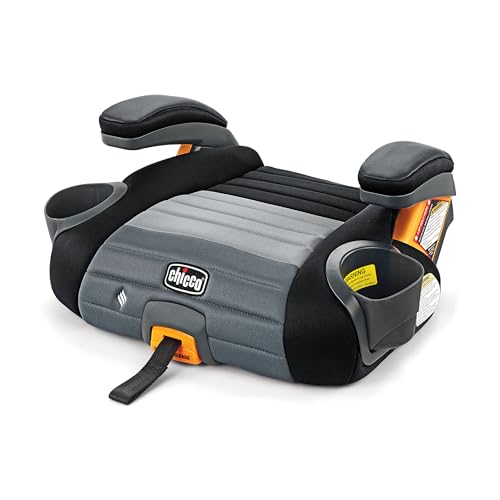
Best for: Kids who need easy in-and-out with a lightweight, portable booster and integrated belt guides.
Why selected: GoFit ClearTex Plus features ClearTex padding for comfort and built-in LATCH for stabilization. The belt-positioning system includes integrated lap belt guides and a shoulder belt clip to ensure proper fit with the vehicle seat.
Caution: Backless design means reduced torso support; use for travel or secondary vehicles when head/neck support is less critical.
Cosco Topside Backless — Leo

Best for: Budget-conscious families needing a lightweight, portable booster for multiple vehicles.
Why selected: It covers 40–100 pounds, with a lightweight design ideal for travel or shared cars. The compact profile makes it easy to move between vehicles without heavy lifting.
Caution: May offer less upper body support than highback models; verify belt routing and seat fit in smaller or irregular seating areas.
Britax Skyline 2-Stage Belt-Positioning — Dusk

Best for: Families seeking long-term use from early booster to big-kid seating with extended fit.
Why selected: The 2-stage design supports a wide range of weights (40–120 lbs) and heights, maintaining a secure belt position. Plush foam and built-in armrests contribute to ongoing comfort for long trips.
Caution: Higher price point than some basics; ensure you will utilize the full 2-stage capability to justify the investment.
Buying Guide
What should I look for in booster seats for 7-year-olds?
- Weight and height range: Ensure the seat supports roughly 40–100 pounds and fits a child around 43–57 inches tall for a proper belt fit.
- Backed vs backless: Highback models provide neck/torso support; backless seats are light and portable but offer less upper-body guidance.
- Seat belt fit: Look for integrated belt guides or guide slots to position the lap belt low on the hips and the shoulder belt across the chest.
- Installation: LATCH ease, strap routing, and whether the booster stays secure when the child enters or exits the vehicle.
- Comfort features: Padding, armrests, and adjustability can influence long-trip compliance and comfort.
- Durability and safety testing: Seek models with tested safety features and crash-test references from reputable manufacturers.
Which design is best for my family’s needs?
- Best for quick trips and travel: Backless boosters like Denton, Rio, and Leo are light and portable, easy to move between cars.
- Best for growing kids: 2-in-1 highback-to-backless models like Declan and Skyline provide longer useful life as your child grows taller.
- Best for easier installation: Models with Affix Latch or robust LATCH systems help secure the booster quickly and reliably.
Safety and usage tips
- Always ensure the lap belt sits low on the hips and the shoulder belt crosses the center of the chest, not the neck.
- Avoid using a backless booster in vehicles without a proper headrest or with seating configurations that jeopardize belt routing.
- Follow the manufacturer’s height and weight limits; replace the booster if the child outgrows the recommended range.
FAQ
- Q: What age is typical for booster seats?
A: Booster seats are commonly used for children around ages 4–12, depending on weight, height, and belt fit. For a 7-year-old, many boosters within the 40–100 lb range fit well. - Q: Is a highback booster always better than backless?
A: Highback boosters provide neck and head support, which can be beneficial for younger or more active children, while backless boosters are lighter and easier to move. - Q: Do boosters require installation with LATCH?
A: Some boosters use LATCH for stability, while others rely on the vehicle seat belt. Check the product details for your chosen model. - Q: How long can a child use the same booster?
A: Many seats offer a wide weight range (often up to 120 lbs for some models). Monitor fit as the child grows in height and torso length. - Q: Can boosters be used in all vehicle types?
A: Boosters are designed to work in most cars, but space and seat belt routing vary. Always test fit in your own vehicle. - Q: Are there risks with backless boosters?
A: Backless boosters provide less upper body support; consider a highback model if the child needs more stability or there are gaps in head support.