Choosing the right feeding cup or bottle for a 15-month-old means prioritizing spill-resistance, ease of transition, and durability as little ones learn to sip more independently. This guide highlights five top options that align with typical toddler drinking milestones: transitioning from a bottle, using a soft-spout or straw, and promoting better grip. Each product is suited to caregivers seeking practical solutions for toddlers who are ready to move beyond standard bottles.
Summary table of selected products:
| Product | Best For | Key Benefit | Includes |
|---|---|---|---|
| NUK Active Sippy Cup (10 oz, 2 Pack) | Gentle transition from bottle | Spill-proof spout with clean-spout cover | 2 cups |
| Philips Avent Natural Bottle (11 oz, 4-Pack) | Breast-to-bottle transition ease | Natural feeding rhythm, wide nipple | 4 bottles |
| Dr. Brown’s Milestones Wide-Neck Sippy Spout Bottle (9 oz, 2-Pack) | Soft-spout transition | Removable handles, easy grip | 2 cups |
| Tommee Tippee Insulated Sporty Spout (9 oz, Pack of 2) | On-the-go hydration | Two-piece valve, no spill | 2 cups |
| Dr. Brown’s Milestones Narrow Sippy Straw Bottle (8 oz) | Straw cup for advanced sipping | Weighted straw, removable handles | 1 cup |
NUK Active Sippy Cup, 10 oz
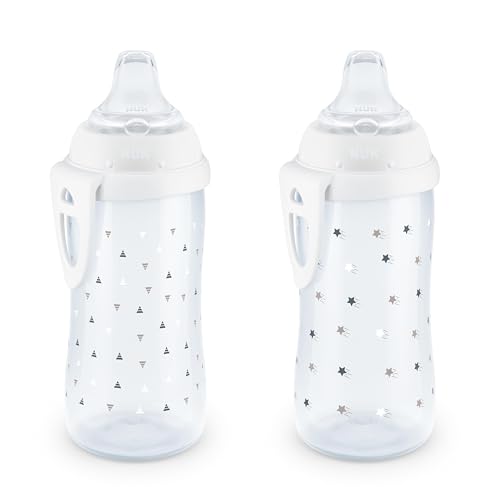
The NUK Active Sippy Cup is designed to ease the bottle-to-cup transition for toddlers aged 12 months and up. The spill-proof spout helps minimize messes, and a built-in cover keeps the spout clean between uses. This option is best for toddlers who prefer a familiar bottle feel while gaining practice with independent sipping. It’s especially suitable for caregivers who want a straightforward, low-fuss cup with a protective lid. A caution: some toddlers may still prefer a fully open cup for practicing flow control as they gain confidence with drinking from a spout.
Philips Avent Natural Bottles (11 oz, 4-Pack)
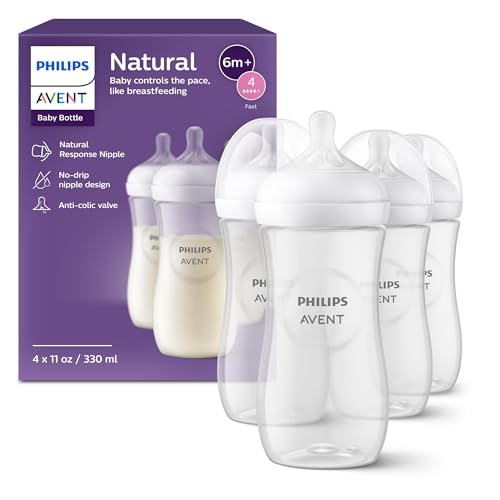
The Philips Avent Natural bottles are designed to support a toddler’s natural drinking rhythm. The unique nipple opening lets milk flow when the baby actively drinks, helping to mimic breastfeeding pacing. This set suits families seeking a consistent design across multiple bottles and an emphasis on mouthfeel that resembles breast feeding. Best for: caregivers who want a gradual, natural-feeding experience and easy breast-to-bottle transitions. Limitation: multiple bottles may require more cleaning space and time when used every day.
Dr. Brown’s Milestones Wide-Neck Sippy Spout Bottle (9 oz, 2-Pack)

This option introduces a soft silicone sippy spout with easy-grip handles, making it a strong choice for the bottle-to-sippy transition. The 100% silicone spout is compatible with many Dr. Brown’s Options+ Wide-Neck bottles once the vent system is removed, offering a simple upgrade path. Best for: toddlers who benefit from a familiar bottle shape while practicing a spout-to-cup transition. Caution: not all other brand bottles will fit this spout if the vent system remains attached.
Tommee Tippee Insulated Sporty Spout (9 oz), Pack of 2

Tommee Tippee’s Sporty Spout is designed for on-the-go hydration with a spill-proof two-piece valve. The spout is durable and gentle on little mouths, making it a practical choice for toddlers who spend time outside the home. Its double-wall insulation helps keep drinks cold, encouraging your child to drink more. Best for: families who need a travel-friendly, no-spill cup with reliable insulation. Limitation: slightly larger cap area may be harder for the smallest hands to grip securely for some toddlers.
NUK Learner Straw Cup 10 oz

The NUK Learner Straw Cup introduces a soft silicone straw that follows the liquid, supporting easy sipping from any angle. This cup is especially helpful for toddlers ready to move from a spout to a straw. It includes easy-grip, anti-slip handles that can be removed as your child grows. Best for: toddlers transitioning to straw cups and seeking improved drinking ergonomics. Caution: straw cups require more cleaning for the straw and valve to prevent buildup.
Dr. Brown’s Milestones Narrow Sippy Bottle (8 oz)

This narrow-sippy version helps older toddlers refine their drinking by moving to a soft silicone sippy spout. Its design mirrors a familiar bottle shape while supporting a gradual shift toward a dedicated sippy. Best for: toddlers who benefit from a familiar bottle profile while practicing a controlled sip. Limitation: narrower neck may be less comfortable for very young or small-handed children compared with wider-mouth designs.
Buying Guide
What should you consider when choosing a bottle or cup for a 15-month-old?
- Transition stage: If your toddler is still bottle-dependent, pick products with gentle spouts or handles to support grip and coordination.
- Spill resistance: For meals away from home, opt for spill-proof valves and insulated designs to minimize mess and maintain temperature.
- Grip and independence: Removable handles or ergonomic shapes help toddlers learn to hold cups confidently.
- Material and cleaning: Silicone spouts and straw cups are durable and easy to clean, but straw components require thorough cleaning to prevent residue.
- Compatibility: If you already own Dr. Brown’s bottles, some sippy spouts and handles are designed to fit their systems, simplifying transitions.
Practical Tips for Toddlers
- Introduce cups with a familiar bottle feel to reduce resistance during transitions.
- Offer a choice between a cup with a spout and a straw cup to see which your child prefers.
- Practice sipping in short sessions, gradually increasing the time to drink per session.
FAQ
- When should I switch from bottle to cup for a 15-month-old?
Most children can start exploring cups around 12–15 months; gradual practice helps build confidence without forcing a rapid switch. - What is the benefit of a weighted straw?
A weighted straw allows sipping from different angles, which is helpful as toddlers move their heads and cups while drinking. - Are spill-proof cups really spill-proof?
Spill-proof cups minimize spills, but vigorous play or drops may still cause leaks; choose a design with a reliable valve and sturdy spout. - Should I choose a wide-neck or narrow-neck bottle for a toddler?
Wide-neck designs are easier to fill and clean; narrow-neck options often align with existing bottle-style habits, aiding transition. - Is insulation important for toddlers?
Insulated cups help keep drinks cool longer, which can encourage longer drinking sessions and reduce the urge to discard warm liquids. - How many cups should a toddler use daily?
Offer multiple short sessions with different cups to promote variety and practice; avoid forcing a single cup for all hydration.