Whether you’re guiding a newborn through early feeding or selecting nipples for a baby with fussiness, slow-flow options are often ideal for newborns. This guide highlights five practical choices that balance comfort, anti-colic features, and a natural latch. The best picks suit new parents seeking a gentle, steady milk flow and minimized air intake. Use this overview to compare flow rates, anti-colic venting, and hospital-standard designs to match your baby’s needs.
| Product | Best For | Key Benefit |
|---|---|---|
| Dr. Brown’s Level 1 | Newborns needing gentle flow | Anti-colic vent and consistent slow flow |
| Dr. Brown’s Preemie Flow | Premature or feeding-difficult babies | Very slow flow with anti-colic vent |
| Dr. Brown’s Level T | Babies transitioning from premature or very slow flow | Hospitals’ NICU-tested slow flow |
| Lansinoh NaturalWave Extra Slow | Newborns plus developing mouth | AVS air-flow reduction for less spit-up |
| MAM Anti-Colic Slow Flow 1 | Newborns needing steady pace | SkinSoft silicone and high acceptance |
Dr. Brown’s Natural Flow Level 1 Narrow Nipple
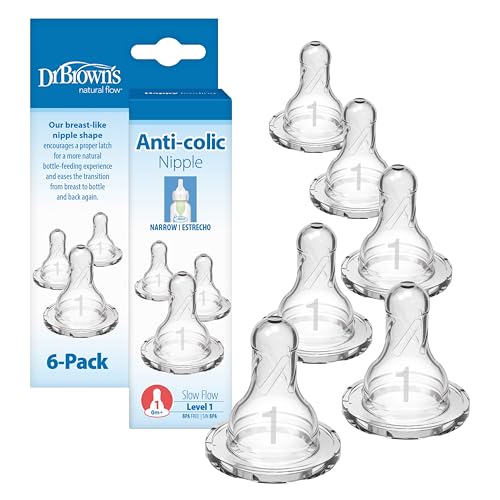
Best for: newborns who need a gentle, steady pace without aggressive flow. The Level 1 nipple integrates an anti-colic internal vent system and maintains a consistent flow, which supports feeding at the baby’s own pace. The nipple’s silicone construction is durable and easy to clean, making it a practical option for daily use.
Why chosen: This nipple’s slow flow reduces the risk of overfeeding and minimizes air intake when combined with an anti-colic bottle design. It’s a strong choice for parents seeking a clinically supported reduction in spit-up and gas while still delivering a natural latch.
Caution: Some babies may adapt quickly to a slightly faster flow; monitor if feeding seems rushed or if spit-up persists.
Dr. Brown’s Preemie Flow Narrow Nipple

Best for: premature babies or those with feeding difficulties needing the slowest, most controlled flow. The Preemie Flow nipple features an internal vent system and a very slow flow rate to help minimize stress during feeding.
Why chosen: The combination of a slower flow with anti-colic venting aligns with NICU-style care principles, offering gentler feeding for babies prone to gas and spitting up. It’s well-suited for infants transitioning from tube feeding or those who tire easily during feeds.
Caution: The slow flow can be too restrictive for some babies as they grow; watch for signs of frustration or hunger if feeds lengthen.
Dr. Brown’s Level T Narrow Nipple

Best for: babies who require a slower start or are transitioning from even slower preemie options. The Level T is hospital-trusted and designed for babies needing extended, gentle feeds with anti-colic benefits.
Why chosen: Its Level T design supports a gradual transition with a proven anti-colic vent system, helping reduce spit-up and discomfort. This nipple is particularly suitable for infants with feeding difficulties who still need steady nourishment.
Caution: May feel too slow for some babies; ensure feeding duration stays reasonable to prevent frustration.
Lansinoh NaturalWave Extra Slow Flow XS
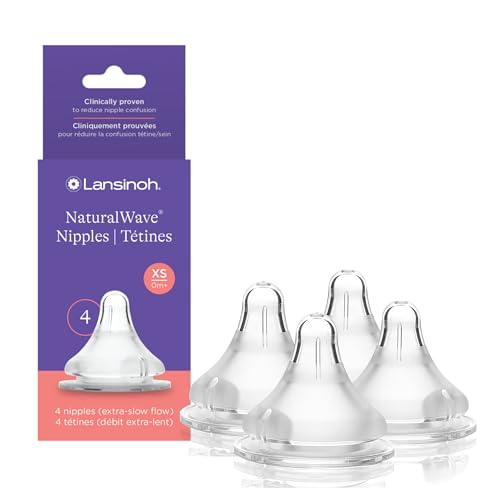
Best for: newborns who benefit from a flexible latch and a low intake pace without sacrificing milk flow. The nipple’s wide base supports proper latch and the AVS ventilation system helps reduce air ingestion.
Why chosen: Lansinoh emphasizes baby-led feeding with a flexible tip that adapts to sucking, encouraging steady milk flow. It’s a good option for families prioritizing oral development alongside reduced gas and spit-up.
Caution: Some babies may take longer to adapt to this nipple’s own flow dynamics; monitor comfort and feeding appetite accordingly.
MAM Anti-Colic Slow Flow 0 (Size 0) Nipples

Best for: newborns needing a slow, steady feeding pace with high nipple acceptance. The SkinSoft silicone feels gentle on a baby’s mouth and the anti-colic design helps minimize swallowed air.
Why chosen: MAM’s slow-flow design is effective for early feeds and its nipple acceptance rate is high among newborns, aiding a smoother transition between bottle and breast. The baby-soft texture contributes to a natural latch and comfortable feeding.
Caution: Some babies may outgrow the extra-slow flow quickly; be prepared to move to a faster option as feeding steadies and appetite grows.
Buying Guide: Key Purchase Considerations
- Flow rate compatibility: For newborns, start with the slowest options (Preemie or Level 1) and observe feeding pace, spit-up, and comfort. Consider transitioning to Level T or XS as feeds lengthen and baby grows.
- Anti-colic venting: An internal vent system can reduce air intake, minimizing gas and spit-up. Check if the bottle and nipple combine a venting design for the best results.
- Latch similarity: Nipples that mimic breast feel and latch encourage easier switching between breast and bottle. Look for wide bases and flexible silicone tips.
- Material and safety: All options listed are silicone-based. Confirm BPA-free and toxin-free designs to ensure baby safety and ease of cleaning.
- Hospital or NICU experience: Some designs are used in medical settings for feeding difficulties. If a baby has complex needs, these options may be advantageous.
- Adaptability: As babies grow, their flow needs change. Choose a set that includes multiple slow-flow options to ease transitions and reduce nipple confusion.
- Cleaning and compatibility: Consider ease of cleaning and whether nipples fit across bottle brands you already own to simplify kit management.
Frequently Asked Questions
- What is a slow-flow nipple best used for? It helps newborns feed at a comfortable pace, reduces air intake, and minimizes spit-up for many babies.
- When should I switch to a faster flow nipple? Switch when feeds last longer, the baby seems hungrier, or milk flow seems too slow to meet demand.
- Do anti-colic nipples really reduce gas? They can help by reducing swallowed air, though results vary by baby and feeding technique.
- Are silicone nipples safe for newborns? Yes. They are BPA-free and designed for safe daily use with proper cleaning.
- Can I mix nipples from different brands? It’s possible if the nipple fits your bottle consistently; check compatibility to avoid leaks or poor latch.
- How many nipples should I have on hand? It’s practical to have 2–3 styles to test which flow and design your baby prefers, plus backups for cleaning cycles.