Looking for bottles or spill-proof cups for an 18‑month‑old? This guide highlights practical options that support transition from bottles to cups, with a focus on spill resistance, grip ease, and age-appropriate designs. The featured picks are best for toddlers who are learning to drink independently, curious about textures, and prone to spills. Each product is evaluated for suitability to small hands, mouth comfort, and simple cleaning.
Summary table of chosen products:
| Product | Best For | Key Benefit |
|---|---|---|
| Tommee Tippee Insulated 9oz Sporty Spout | Toddlers who need spill control | Two-piece valve with free-flow option |
| NUK Active Sippy Cup 10 oz (2-pack) | Transition from bottle to cup | Spill-proof spout and clean cover |
| NUK Fun Grips Hard Spout 10 oz (4pk) | Kids who need a grippy, durable cup | Bite-resistant spout, leak-proof |
| Dr. Brown’s Milestones Wide-Neck Sippy | Soft-spout transition with handles | Removable silicone handles, compatible spout |
| Philips Avent My Grippy Spout 2pk | Gently-paced sipping with easy hold | Leak-proof, soft spout for gums |
Tommee Tippee Insulated 9oz Sporty Spout Toddler Bottle

The Tommee Tippee Sporty Spout is designed for toddlers aged 1–3 who are working on spills control. It features a two-piece detachable valve that can be removed for free-flow drinking, helping if a child wants more liquid control during the transition. The spout is bite-resistant yet gentle on developing teeth, and the double-wall insulation helps keep drinks cooler longer, which can encourage hydration on active days. Best for parents seeking a clear path from sippy to independent sipping while minimizing mess.
Best for: Toddlers who need spill containment with a built-in option to switch to faster drinking. Choose this if you want a durable, insulated cup that resists leaks during playtime or car rides. Limitation: The two-piece valve may require more maintenance during cleaning to ensure no residual spills remain in the valve.
NUK Active Sippy Cup 10 oz (2-Pack)
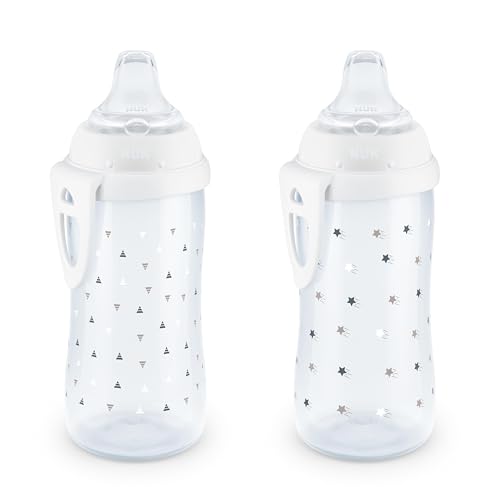
The NUK Active Sippy Cup is aimed at easing the bottle-to-cup transition. It uses a spill-proof spout designed to be gentle on gums and includes a cover to keep the spout clean between uses. This makes it a practical pick for households prioritizing hygiene and a gradual shift in drinking habits. Best for: Parents seeking a straightforward transition cup with a protective cap and soft, gum-friendly spout. Limitation: Spout cleanliness relies on the cap being closed properly; care should be taken to ensure it remains snapped shut during travel.
NUK Fun Grips Hard Spout Sippy Cup 10 oz (4pk)

This option features a textured grip design to help little hands hold the cup securely. The bite-resistant hard spout stands up to teething, and the cup is advertised as 100% leak-proof. It’s a good pick for toddlers who need a sturdy grip and a durable spout. Best for: Kids who are learning to grip and bite practice while staying mess-free. Caution: The rigid spout may feel less flexible for some toddlers who prefer a softer mouth feel.
Dr. Brown’s Milestones Wide-Neck Sippy Spout Bottle (2-Pack)

The Dr. Brown’s Milestones set supports a bottle-to-sippy transition with easy-grip silicone handles and a soft spout. The handles are removable and compatible with many wide-neck bottles, offering flexibility as a child grows. It’s best for: Parents who want a gradual transition with a comfortable hold and compatibility with other Dr. Brown’s bottles. Limitation: The spout is designed to fit when the vent system is removed, which may require careful assembly to ensure proper flow.
Philips Avent My Grippy Spout 2-Pack
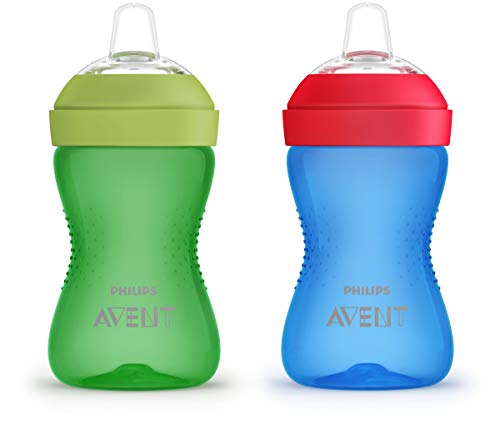
The Philips Avent My Grippy Spout cups feature a leak-proof design and a contoured, anti-slip grip that’s easy for small hands to hold. The flexible silicone spout is gentle on gums, supporting comfortable sipping. Best for: Toddlers who need a secure grip and a soft-mouth experience while maintaining a mess-free drinking moment. Caution: Some users may prefer a larger capacity or different spout stiffness if sipping pace varies by child.
Buying Guide: Bottles And Cups For 18 Month Olds
- Transition readiness: Look for cups that smoothly move from bottle nipples to sippy or straw cups, with features like removable handles or soft spouts to accommodate chewing and jaw development.
- Spill control: If mess minimization is a priority, prioritize spill-proof or leak-proof designs, such as hard-spout options with robust seals or two-piece valve systems.
- Grip and comfort: Choose ergonomic shapes and textures that help little hands grasp the cup easily without excessive strain.
- Cleaning and hygiene: Consider cups with easy disassembly and dishwasher-safe parts, along with covers to keep spouts clean on the go.
- Materials and safety: BPA-free materials are standard; check silicone spouts for soft texture and bite resistance that still withstands teething.
- Durability vs. flexibility: Hard spouts offer durability but may feel less forgiving; soft spouts are gentler on gums but may wear faster with heavy use.
- Compatibility and growth: Some cups pair with other bottle systems or offer removable handles for long-term use as the child grows.
Frequently Asked Questions
- What age is best for starting a sippy cup?
Many toddlers begin using a sippy cup around 9–12 months, with continued transition through 18–24 months as they gain motor control. - Are insulated cups worth it for toddlers?
Insulated cups help keep drinks cool longer, which can encourage hydration during hot days or busy schedules. - What should I look for in a spill-proof cup?
A durable valve or seal, a tight lid or cover, and a design that minimizes drips when tipped. - Do handles matter for early drinkers?
Removable handles can aid grip and confidence; they’re helpful for children still developing fine motor skills. - Can these cups be used with breast milk or formula?
Yes, many cups are designed to hold milk or formula; always ensure the cup’s spout width and flow suit your child’s needs. - How do I clean sippy cups effectively?
Disassemble fully and wash parts with warm soapy water, then air-dry completely to prevent mold growth.