When shopping for bottles for a 5-month-old, prioritize bottles that support a natural breastfeeding rhythm, reduce fussiness, and are easy for caregivers to handle. The top choices below are suited for babies who are transitioning between breasts and bottles, or who are learning to drink more independently. This guide highlights five bottles that balance flow control, anti-colic features, and ergonomic design. Each option is explained with who it’s best for and practical considerations to help you compare quickly.
| Product | Brand | Size & Flow | Best For |
|---|---|---|---|
| Philips Avent Natural Bottles (Medium Flow, 9oz, 4-Pack) | Philips Avent | 9 oz; Flow 3 (Medium) | Parents seeking a breast-like latch and natural pacing |
| Philips Avent Natural Bottles (Fast Flow, 11oz, 4-Pack) | Philips Avent | 11 oz; Flow 4 (Fast) | Babies who drink quickly or require larger milk throughput |
| Dr. Brown’s Natural Flow Anti-Colic Options+ (8 oz, 4-Pack) | Dr. Brown’s | 8 oz; Level 1 Slow Flow | Reducing gas and spit-up with a consistent flow |
| Evenflo Feeding Classic Tinted Bottles (8 oz, 12-Pack) | Evenflo | 8 oz | Budget-friendly option with easy-to-hold design |
| Lansinoh Anti-Colic Bottles (8 oz, 3-Pack) | Lansinoh | 8 oz; Medium Flow | Newborns and young infants needing a gentle latch and reduced air intake |
Philips Avent Natural 9oz Medium Flow (Pack of 4)

Best for parents who want a bottle that mirrors natural breastfeeding pacing. The Natural Response Nipples open only when the baby actively drinks, helping to prevent milk from flowing during pauses. The wide, breast-shaped nipple aids latch and makes swapping between breast and bottle smoother. Choose this if your baby benefits from a calmer feeding rhythm and you desire a breast-like feel.
Who it’s for: caregivers prioritizing breast-feeding ease and paced milk flow for a young infant who is still learning bottle feeding. Limitation: the medium flow may be slower for babies who consume milk quickly.
Philips Avent Natural 11oz Fast Flow (Pack of 4)
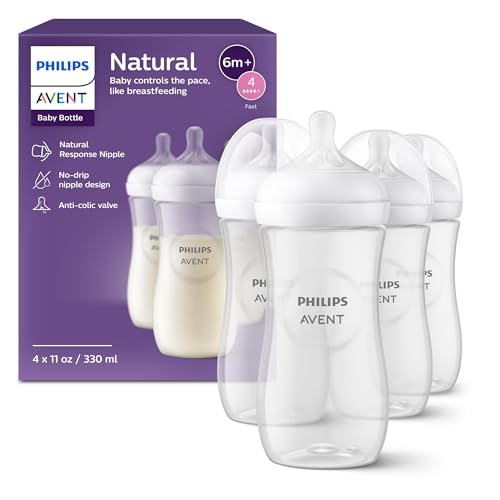
This bottle supports a faster milk flow for babies who feed more vigorously or require larger milk throughput. It still preserves a natural drinking rhythm with a nipple that opens primarily when the baby actively swallows. Best for babies who outgrow the medium flow and need a quicker pace without rushing them. Limitation: fast flow may overwhelm younger or slower-paced drinkers.
Dr. Brown’s Natural Flow Anti-Colic Options+ 8 oz

Designed to reduce colic and gas through an internal vent system that minimizes air ingestion. The bottle delivers a consistent flow with vacuum-free feeding, helping babies feed at their own pace. Best for babies who experience gas or spit-up. Limitation: the vent system adds a bit more cleaning complexity compared to simpler bottles.
Lansinoh Anti-Colic 8 Ounce Bottles (3-Pack)

These BPA-free bottles feature ultra-soft silicone nipples and a wide, gentle mouthfeel that helps establish a comfortable latch. The anti-colic air vent helps limit air intake during feeding, potentially reducing gas and fussiness. Best for newborns and young babies who benefit from a smooth transition between breast and bottle. Caution: some babies may require a longer adjustment period to the silicone nipple.
Philips Avent Natural 9oz Medium Flow (Blue)
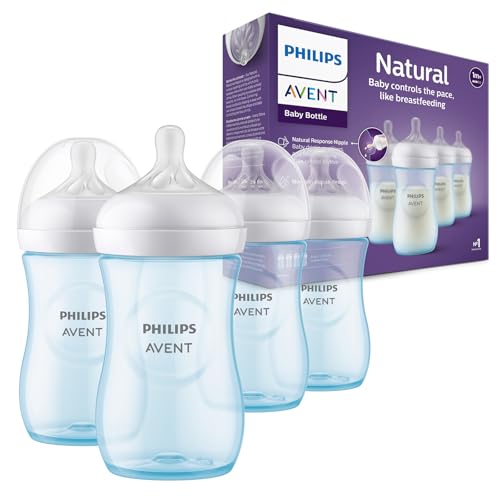
Another version of the Philips Avent Natural bottle with a medium flow suitable for babies who drink at a moderate pace. Like other Natural bottles, it uses the Natural Response Nipples to ensure milk flows primarily during active drinking. Best for families seeking consistency across multiple bottles. Limitation: color variations may vary by stock.
Philips Avent Anti-Colic 11oz Fast Flow

Equipped with an anti-colic valve to reduce air ingestion and designed not to collapse for a secure latch. This option is best for babies who tend to swallow air during feeding. Caution: Some infants may need a slower flow to prevent overfeeding during the initial use.
Buying Guide: Key Purchase Considerations
Choosing the right bottle depends on your baby’s needs and your feeding routine. Consider the following:
- Flow rate: For 5-month-olds, start with medium or slow flow and adjust based on how quickly your baby feeds and whether they show signs of frustration or tiredness.
- Anti-colic design: Bottles with venting systems can help reduce gas and spit-up, especially for babies who seem easily unsettled after feeds.
- Nipple style: Look for breast-shaped or soft nipples if you plan to alternate between breast and bottle. This can ease the transition for a growing infant.
- Ease of cleaning: Simpler designs with fewer parts clean more quickly. Some anti-colic systems require more assembly and washing time.
- Material: BPA-free plastics are common; some parents prefer glass or BPA-free options for peace of mind about materials.
- Handleability: For parents managing feeds, bottles with ergonomic shapes and easy-to-grip designs can reduce strain during daytime and overnight feeds.
FAQ
- Q: When should I switch from medium to fast flow? A: Observe if your baby slows down excessively, shows frustration, or drinks too slowly; consider trying a faster flow while ensuring they still manage the amount comfortably.
- Q: Do anti-colic bottles really prevent gas? A: Anti-colic vents can reduce air intake and gas in many babies, but effects vary. Start with slower flows and monitor your baby’s comfort.
- Q: Are breast-like nipples necessary for bottle feeding? A: They help some babies transition between breast and bottle more easily by mimicking natural latch and flow, though not all infants require them.
- Q: How many bottles should I own? A: Having 2–3 bottles of the same type may offer enough rotation for cleaning cycles, plus a few extras during busy days.
- Q: Is it okay to mix bottle brands? A: Mixing brands is generally fine, but ensure the nipples and vents suit your baby’s flow and avoid confusion from different latch feels.
- Q: How do I clean anti-colic bottles effectively? A: Disassemble completely and wash all components by hand or in a dishwasher, paying attention to small vent parts to prevent residue buildup.