Choosing the right bottle or transition cup for an 8-month-old helps support comfortable feeding and smoother weaning. The top picks below are best for babies who are growing into independent drinking, or caregivers seeking a gradual switch from bottle to sip cup. This guide highlights what makes each option suitable, who it’s best for, and key considerations to help you pick confidently. A quick buyer’s table is included for fast comparison.
| Product | Best For | Why It Stands Out |
|---|---|---|
| NUK Learner Cup | Babys learning to sip independently | Easy grip and spill-proof spout; removable handles as baby grows |
| Philips Avent Natural Bottle (4-pack) | Breast-to-bottle transition | Natural rhythm and nipple shape mimics breastfeeding |
| Dr. Brown’s Milestones Wide-Neck Sippy | Smooth bottle-to-cup transition | 100% silicone handles and soft spout for early sippy practice |
| MAM Easy Active 11oz | Anti-colic and easy grip | Nipple and bottle design reduce air intake and spillage |
| Dr. Brown’s Milestones Narrow Sippy | Narrow bottles for older infants | Flexible handles and silicone spout for gradual transition |
NUK Learner Cup, 8+ Months
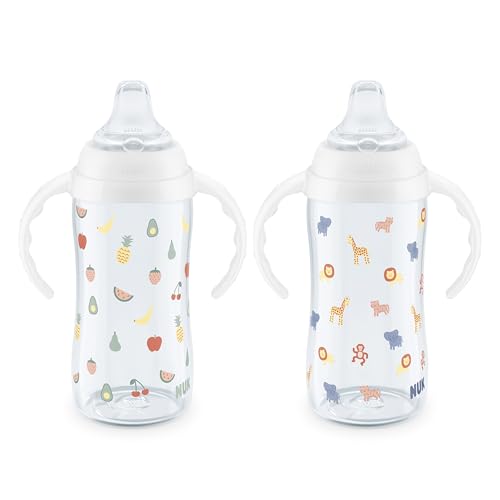
The NUK Learner Cup is designed for babies transitioning from bottle or breast to a cup. Best for parents seeking a gentle, baby-friendly transition with easy grip, removable handles, and a spill-proof soft spout. The cup supports independent sipping while protecting gums.
- Best for: 8 months and up, early sip training.
- Why selected: Combines spill protection with comfortable handling and growth-friendly features.
Limitations: Handles are removable, but may require supervision to ensure a steady grip as babies learn control.
Philips Avent Natural Baby Bottles (4-Pack)
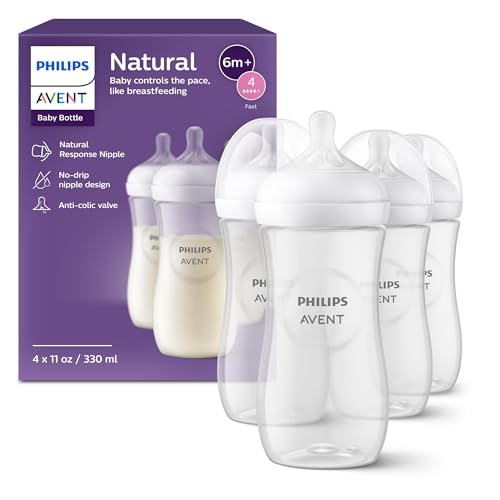
The Natural bottle features a wide, breast-shaped nipple and a design that supports a natural drinking rhythm. It’s ideal for families combining breast and bottle feeding and transitioning to bottle feeding at a comfortable pace.
- Best for: Babies transitioning from breastfeeding or who benefit from a slow, controlled flow.
- Why selected: Encourages natural latch and easy pace control for older infants.
Caution: The flow rate is easier to manage with pauses; if your baby drinks quickly, monitor flow to avoid overfeeding.
Dr. Brown’s Milestones Wide-Neck Sippy Spout

This 9oz/270mL bottle is designed for a bottle-to-sippy transition. It features 100% silicone handles that are easy to grip and removable, and a soft sippy spout compatible with many wide-neck bottles once the vent system is removed.
- Best for: 6 months and older babies working on sippy skills.
- Why selected: Combines familiar bottle form with an approachable sippy transition solution.
Limitation: The vent system removal may alter venting, so usage consistency is important for the baby’s comfort.
MAM Easy Active 11oz Bottle
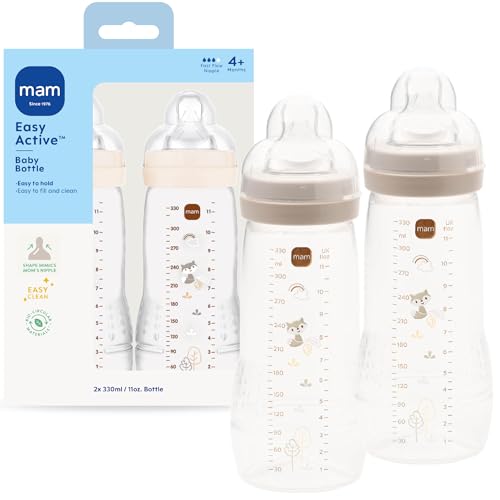
The MAM Easy Active bottle features a fast-flow, skin-soft anti-colic nipple and an anti-slip grip. It’s well-suited for babies who need less wind-influenced feeding and a reliable seal to prevent leaks.
- Best for: 4+ months and older babies who may benefit from anti-colic design.
- Why selected: Combines flow control with secure grip and leak-proof features.
Caution: Flow is designed to be fast; monitor feeding pace to avoid overfeeding if needed.
Dr. Brown’s Milestones Narrow Sippy

This 8oz/250mL bottle set includes narrow design with 100% silicone handles and a soft sippy spout that fits narrow bottles after removing the vent system. It helps babies transition to a cup while keeping a familiar bottle shape.
- Best for: Babies transitioning from narrow-neck bottles to sippy cups.
- Why selected: Targeted for older infants who already tolerate narrow necks and want a familiar hold.
Limitation: Compatibility is best with Dr. Brown’s narrow line; consider other bottle types if you use different brands.
Buying Guide: Key Purchase Considerations
- Age and transition readiness: Choose products explicitly designed for 8 months and up or for bottle-to-cup transitions. Look for “milestones” or “transition” labeling.
- Flow control and nipple/spout design: A slow or adjustable flow helps prevent overfeeding and reduces gas. Nipple shape should resemble breast anatomy where applicable.
- Grip and handling: For early sip training, easy-grip handles (removable if needed) aid baby’s control and independence.
- Materials and cleaning: BPA-free plastics and silicone components are common. Wide necks are easier to clean, but narrow necks can be better for some babies’ grip.
- Leak prevention: Look for secure caps and leak-proof seals to avoid messes during travel or feeding.
- Compatibility: If you already own certain brands, verify that the new cup can be used with your existing parts (handles, spouts, or vent systems).
- Breastfeeding compatibility: Bottles designed to mimic natural latch or rhythm can ease the shift between breastfeeding and bottle feeding.
- Cleaning and dishwasher safety: Check if items are dishwasher-safe or require hand washing to preserve integrity of silicone components.
Frequently Asked Questions
- What should I look for in a bottle for an 8-month-old?
Seek bottles designed for transition to a sippy cup, with soft spouts, easy-grip handles, and controlled flow to minimize gas and choking risk.
- Is a four-pack better than buying single bottles?
Four-packs are cost-efficient and convenient for families that rotate between bottles and cups, though ensure the design fits your baby’s transition plan.
- Are these bottles BPA-free?
All listed products are described as BPA-free in their product listings, reducing exposure to certain chemicals.
- When should I switch from bottle to sippy cup?
Many babies start practicing around 6–9 months; switch gradually based on your baby’s interest, eating pace, and readiness.
- What is the best design for reducing gas?
Anti-colic nipples or vents, silicone sipping spouts, and slow flow options typically help reduce air intake during feeding.
- Can I mix brands for transition?
Yes, but ensure handles, spouts, and venting are compatible with your existing equipment to avoid leaks or fit issues.