Choosing the right bottle during the 9-month transition period can support a smoother shift from breast or bottle to a cup. The best options below target babies who are learning to drink from a spout or a soft nipple and who need anti-colic features or wide neck designs for easy cleaning. This guide highlights five top picks, explains who each is best for, and includes practical notes on usage. The top products are suited for parents seeking gradual transition tools, anti-colic benefits, and bottles that grow with a child’s changing feeding pace.
| Product | Best For | Key Benefit |
|---|---|---|
| NUK Learner Cup | Babies 8+ months | Gentle transition with spill-proof spout |
| Philips Avent Natural 11oz (Flow 4) | Breast-to-bottle mix for paced feeding | Natural latch, controlled flow |
| Philips Avent Natural 9oz (Flow 3) | Smaller bottle for younger infants | Breast-like nipple, controlled flow |
| Avima Anti Colic 12 oz | Growing baby with multiple stages | Duo-Flo valves reduce gas and spit-up |
| Dr. Brown’s Milestones Sippy Spouts | Transition to sippy cups | Silicone sippy spout with easy grip |
NUK Learner Cup: Gentle Transition Cup
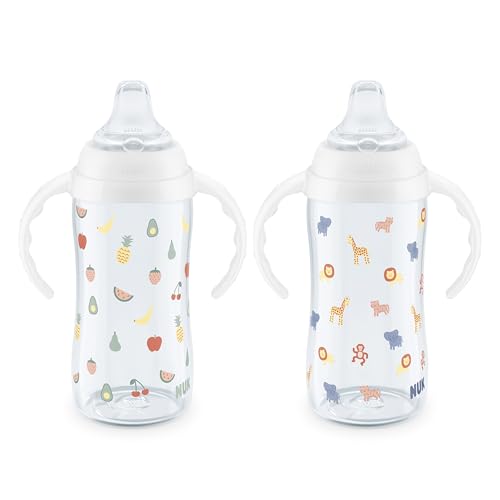
The NUK Learner Cup is designed to ease babies from a bottle to a cup. It features easy-grip, anti-slip handles that can be removed as the child grows, and a spill-proof soft spout that helps teething gums while teaching sipping. Best for parents who want a familiar feel with a gradual hand-off to a cup. A potential limitation is that the spill-proof design may require a gentle tilt to prevent leaks when not held upright.
Philips Avent Natural 11oz Bottles (Flow 4)
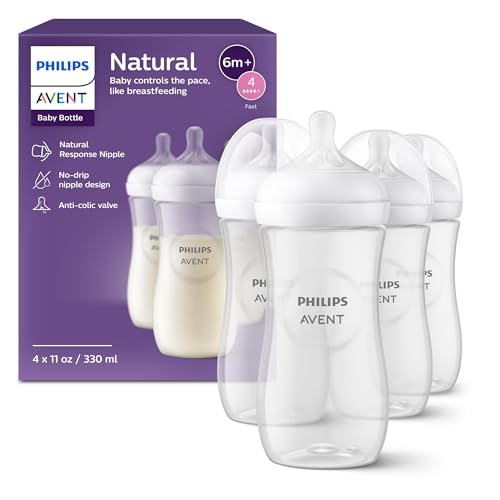
This 4-pack features the Natural Response nipple to help your baby control milk flow, so feeding resembles breastfeeding. The design supports paced feeding and a smooth transition for babies who pause to swallow and breathe. It’s well-suited for families combining breast and bottle feeding. A caveat is that some caregivers may prefer a wider nipple in other sets, depending on the baby’s latch.
Philips Avent Natural 9oz Bottles (Flow 3)

The 9-ounce version provides a similar natural-latch experience with a flow-3 nipple and a wide, breast-shaped nipple. It helps maintain a familiar feeding rhythm as babies grow more independent. This option is best for households that want a compact bottle size without sacrificing the natural feeding feel. Avoid using if the baby shows a preference for faster or slower flow than Flow 3 offers.
Avima 12 oz Anti Colic Stage 3 Bottles
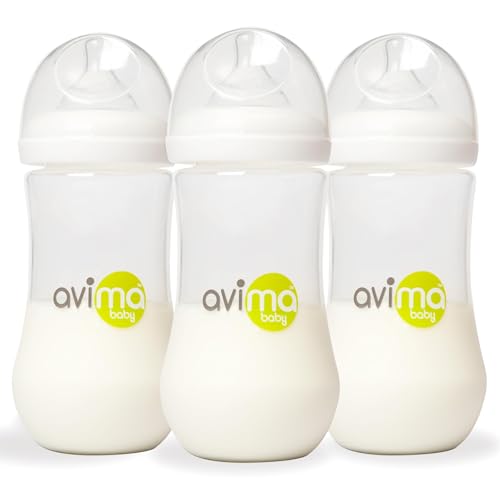
Avima’s set includes fast-flow nipples (9-12 months) with options for other stages, plus interchangeable silicone sippy spout tops. The dual-nipple design with two valves aims to adapt to the baby’s feeding pace and reduce gas and spit-up. It’s a strong choice for families seeking a “grow-with-baby” system. Better for babies who need more flow with cereals or thicker feeds. A possible limitation is the need to switch nipples as the child’s pace changes.
Evenflo Classic Tinted Plastic Bottles
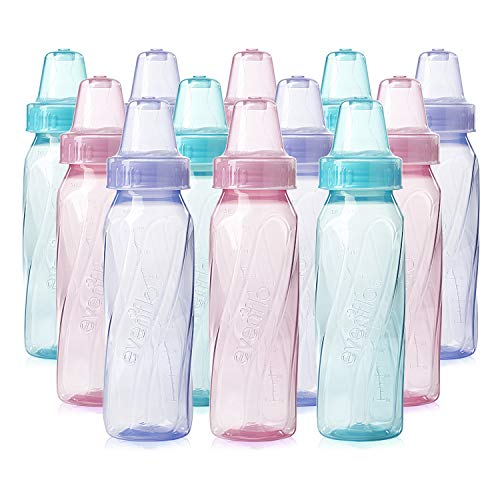
Evenflo’s tinted bottles feature micro air vents designed to prevent nipple collapse and clear measurement markers in ounces and milliliters. This make-and-read design is practical for parents tracking intake and ensuring consistent feeding. Best for families who want easy recognition of volumes while on the go. A limitation is that the vent system may require more careful cleaning to avoid buildup in the vents.
MAM Easy Active Flow Bottle
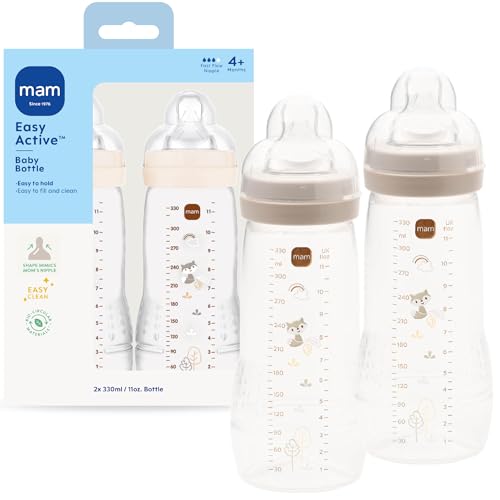
The MAM bottle features an anti-colic skin-soft nipple and a wide-grip design for little hands. It’s leak-proof with a cap that doubles as a measuring cup, making it convenient for travel and everyday use. Best for babies who are sensitive to air intake and prefer a soft nipple. The potential drawback is that some users may want a slower flow for early stages, which Flow technology in this set may not provide.
Dr. Brown’s Milestones Narrow Sippy Bottle (Fox & Lion)

This bottle marks a transition from bottle to sippy with a 100% silicone soft spout. The handles are easy to grip and removable, and the spout is compatible with most narrow Dr. Brown’s bottles when the vent system is removed. Best for babies who need a clear path to a full sippy cup. A caveat is that it requires removing the vent system to use the sippy spout, which may be an extra step for some caregivers.
Dr. Brown’s Milestones Narrow Sippy Spout Bottle

This set focuses on a smooth transfer from bottle to sippy cup with 100% silicone sippy spout and easy-grip handles. The handles are flexible and can fit most narrow bottles, which is useful for households with multiple bottle types. Best for babies who respond well to familiar bottle shapes. A limitation is that some users may prefer a dedicated bottle-and-spout system rather than interchangeable parts.
Buying Guide: Practical Steps For Picking The Right 9 Month Bottle Set
What shape and size should I choose for a 9-month-old? A wider neck bottle with a silicone nipple often provides a natural latch while making it easier to clean and fill. Consider 8-12 oz bottles that support growth as your child’s appetite increases. For transitions, look for a product with easy-grip handles that can be removed as your child becomes more independent.
Should I prioritize anti-colic features? If your baby experiences gas, fussiness, or spit-up after feeds, anti-colic designs with two valves or venting systems can help. However, be mindful that some vented bottles require extra cleaning, so plan time for routine maintenance.
What flow rate is best for a 9-month-old? Flow rates vary by brand, typically labeled as slow, medium, or fast. At this age, many babies prefer a medium to fast flow for cereal or denser feeds. If your baby struggles to suck or swallows too much air, try a different nipple with a more appropriate flow rate.
How important are compatibility and growth? Look for products that offer a growth path—from bottle to sippy cup—with interchangeable spouts or nipples. Sets that include additional stages can save money and simplify the transition process for busy households.
What about materials and safety? BPA-free materials and easy-to-clean designs are essential. Wide-neck bottles with wide openings reduce cleaning time and improve hygiene, while durable plastic or safe silicone options minimize the risk of injury as your child learns to grip and sip.
Frequently Asked Questions
- When should I start introducing a sippy cup? Start around 6-9 months, as babies begin to learn to sip and control liquid pace; progress to a full sippy cup by 12 months if possible.
- Are anti-colic bottles worth it for a 9-month-old? They can help if your baby shows signs of gas or fussiness; however, every baby reacts differently, so trial and error may be necessary.
- What flow rate is best for cereals? A faster flow or a stage-appropriate medium flow helps when introducing thicker feeds like cereals, but monitor the baby’s comfort and swallowing.
- Can I mix bottles from different brands? Yes, but ensure the nipple size and flow rate are appropriate for your baby to avoid choking or overfeeding.
- Do bottles affect sleep and digestion? The right bottle can support feeding rhythm, but sleep and digestion are influenced by many factors, including feeding schedules and nap routines.
- How do I clean these bottles effectively? Wash with warm soapy water, rinse thoroughly, and use a bottle brush to reach narrow areas. Some sets include dishwasher-safe components—verify care instructions.