When a baby resists bottle feeding, choosing the right design can make all the difference. This guide highlights five bottles that are well-suited for babies who refuse standard bottles, focusing on nipple design, venting, flow rate, and latch aid. The top picks suit newborns and older infants alike, helping caregivers encourage a smooth transition from breastfeeding or for pumped milk. The list also identifies who each bottle is best for and why it stands out in coping with reluctant feeders. A quick summary table follows to compare key features at a glance.
| Product | Best For | Key Feature |
|---|---|---|
| NUK Simply Natural | Breastfed babies needing natural latch | SafeTemp indicator, multi-hole nipple |
| Lansinoh Anti-Colic (3 pack) | Babies prone to gas and fussiness | Air ventilation system, flexible nipple |
| Evenflo Classic 8 Oz (12 bottles) | Budget-friendly, easy grip | Micro air vents, measurement markers |
| Boon Nursh 8 Oz | Colic-prone or gas-heavy feeders | Silicone pouch, air-free design |
| Philips Avent Anti-Colic | Flexible use with or without vent | AirFree vent, upright feeding |
NUK Simply Natural Baby Bottle With SafeTemp

The NUK Simply Natural bottle is designed for a natural latch, with multiple nipple holes to adjust flow like mom’s breast. The SafeTemp indicator changes color when milk is too hot, helping prevent burns and encouraging calm bottle feeds. This bottle is best for: parents seeking a familiar feeding experience for breastfed babies and caregivers who want a visible temperature cue. Caution: flavor or scent from heated milk can vary by cleaning routine; ensure thorough cleaning to maintain indicator reliability. Best for babies who respond to variable flow and a familiar nipple feel.
Why it’s selected: The natural-feel nipple with multiple holes supports a smoother latch and adjustable flow, which can help picky feeders adjust to bottle feeding. The SafeTemp indicator adds a practical safety feature, reducing the risk of feeding with milk that’s too hot. This bottle is typically easier for breastfed babies to accept than standard bottle nipples, thanks to its closer mimicry of breast compression and flow control.
Lansinoh Anti-Colic Baby Bottles, 3 Count

These Lansinoh bottles are built around a clinically designed anti-colic system with an air ventilation feature to limit air intake and gas. The ultra-soft silicone nipples have a wide, gentle slope that molds to a baby’s mouth, aiding a secure latch. The bottle supports baby-led feeding with a nipple that stretches with sucking to deliver milk at a comfortable pace. Best for: babies dealing with fussiness or gas after feeds, and caregivers who want a nipple that adapts with the baby’s rhythm. Limitation: the 3-count pack may require replenishment faster for heavy feeders or frequent use.
Why it’s selected: The anti-colic venting and soft nipple design address common reasons babies reject bottles—air, gulping, and latch challenges. The design supports a calm feeding experience and can help transition away from breast or other bottle types when a baby is hesitant.
Evenflo Feeding Classic 8 Oz Bottles (12 Pack)
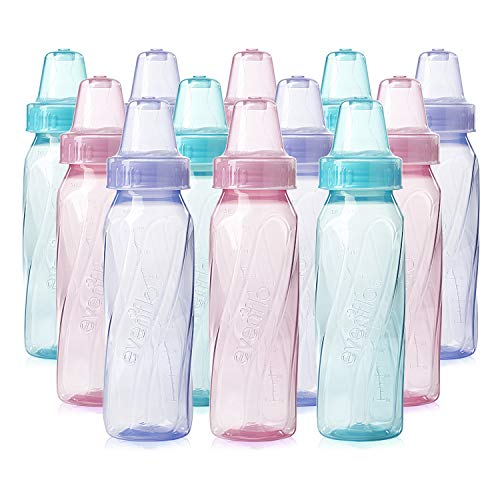
Evenflo’s Classic bottles provide a budget-friendly option with simple cleaning and clear measurement markers in both ounces and milliliters. Micro air vents help prevent nipple collapse, which can be a concern for babies who resist feeding or fuss during latching. Best for: families seeking affordable everyday bottles with straightforward features. Limitation: fewer advanced anti-colic systems compared to premium lines, so gas-prone babies may benefit from additional venting solutions or different nipples.
Why it’s selected: The lightweight design and easy-to-read measurements can help caregivers track intake and consistency, essential for picky feeders who require steady, predictable feeds. If a baby rejects more complex designs, this option offers a reliable fallback with minimal parts.
Boon Nursh Bottles

The Boon Nursh bottle uses a silicone pouch to reduce air exposure and prevent gas and spit-up, an important consideration for babies who won’t take standard bottles. The silicone pouch is reusable and BPA/PVC-free, and the nipple shape is designed to encourage proper tongue positioning and latch. Best for: colic-prone babies or those sensitive to air-related discomfort during feeds. Caution: the pouch design requires proper cleaning and careful inspection for wear over time, as the flexible material can be prone to damage with rough handling.
Why it’s selected: The air-free, collapsible design helps minimize air ingestion and gas, making it a practical choice when a baby struggles with traditional bottle feeding. It’s especially useful for babies who prefer a more neutral taste and a nipple that supports a natural latch while learning to feed from a bottle.
Philips Avent Anti-Colic with AirFree Vent

This Philips Avent bottle uses an AirFree vent to keep the nipple full of milk rather than air, which can help reduce colic, gas, and reflux. The vented model supports feeding in an upright position while keeping milk flow steady. Best for: babies who benefit from an upright feeding posture and parents who want a flexible option that can be used with or without the vent. Limitation: for some babies, the vent can add a few extra parts, requiring thorough cleaning to prevent leaks.
Why it’s selected: The AirFree system directly addresses common bottle-feeding problems that lead to rejection, such as air swallowing and inconsistent nipple fullness. The option to use the bottle with or without the vent offers adaptability as the baby’s feeding needs change.
Buying Guide
What should I look for in a bottle for a picky feeder?
- Nipple design and flow options: A nipple with adjustable holes or a slow/extra-slow flow can help mimic breastfeeding and prevent overfeeding.
- Ventilation: Anti-colic vents reduce air ingestion, gas, and fussiness, which can encourage acceptance.
- Latch and mouthfeel: A nipple that mimics breast tissue or has a soft, flexible feel can improve latch reliability.
- Material safety and cleaning: BPA-free options with simple assembly enhance safety and ease of cleaning for frequent use.
- Cleaning practicality: Fewer parts and dishwasher-safe components help busy caregivers maintain hygienic feeding.
Which bottle type should I start with?
Consider starting with a bottle that resembles breastfeeding in feel and flow, such as a nipple with multiple holes or a silicone pouch design that minimizes air intake. If the baby shows signs of gas or fussiness, prioritize bottles with robust venting or air-free delivery. For newborns, a slow flow nipple and a wide, easy latch are often most effective. If the baby accepts one bottle, gradually introduce other styles to identify preferences.
How do I transition from breastfeeding to bottle feeding?
- Offer the bottle when the baby is calm and hungry but not starving.
- Maintain a consistent feeding routine to build familiarity with the bottle.
- Use a nipple with a familiar shape and flow to support latch and easing the transition.
Care and safety considerations
- Inspect nipples for signs of wear and replace as needed to maintain an effective latch.
- Follow cleaning instructions to prevent mold and ensure silicone materials stay safe and intact.
- Avoid heating milk beyond recommended temperatures; use SafeTemp indicators or equivalent measures where available.
FAQ
- Q: Which bottle is best for a baby who won’t take a bottle at all? A: Bottles with a breast-like nipple and slow flow are often most effective for initial acceptance, such as those designed to mimic breastfeeding and provide comfortable latching.
- Q: Do anti-colic bottles help all babies? A: They can help many babies who suffer from gas or fussiness, but results vary by infant and nipple fit.
- Q: Can I mix bottle brands for my baby? A: Yes, you can try multiple brands to identify the best match; however, avoid switching too frequently to prevent confusion.
- Q: How important are vented bottles for gas-prone babies? A: Venting reduces air intake, which often decreases gas and spitting up, aiding acceptance of bottle feeds.
- Q: When should I replace nipples? A: Replace if the nipple shows wear, tears, or signs of thinning to maintain proper flow and latch.
- Q: Is a silicone pouch bottle better than a traditional bottle? A: For babies sensitive to air, a silicone pouch can reduce air exposure and gas, potentially easing acceptance.