Direct answer: choosing bottles that mimic breastfeeding and control milk flow helps reduce nipple confusion and supports smoother bottle-to-breast transitions. This guide highlights five top options ideal for different needs—newborns, preemies, or babies who fuss with gas. Each product is evaluated for best-for scenarios, potential limitations, and why it was selected.
Buyer overview: the top picks below emphasize natural latch, anti-colic features, and easy cleaning. The table summarizes who each product is best for, plus a quick note on standout traits.
| Product | Best For | Key Benefit |
|---|---|---|
| Philips Avent Natural Baby Bottles | Babies who need a breast-like pace | Natural Response nipple that only releases milk during active drinking |
| Tommee Tippee Natural Start Set | Families transitioning between breast and bottle | Complete set with multiple sizes and anti-leak design |
| NUK Perfect Match 2-in-1 | Bond-focused feeding with adaptable nipple | Wide, deep latch mimicking breastfeeding |
| MAM Easy Start | Babies needing anti-colic and gentle flow | Vented base and extra-slow nipple for paced feeding |
| NANOBÉBÉ Nanobébé Flexy | Soft, familiar feel and ease of transition | Triple venting with a stable base for steady feeds |
Philips Avent Natural Bottles With Natural Response Nipples

Best for: babies who need a breast-like drinking rhythm and parents seeking a simple transition between feeding styles. The bottle’s natural response nipple releases milk only when the baby actively drinks, helping to control pacing and reduce overfeeding. The wide, breast-shaped nipple is designed to mimic the feel of a real breast, aiding comfort for breastfed babies adapting to bottles.
Why selected: its flow is coordinated with the baby’s swallowing and breathing, which can support longer, calmer feeds and easier breastfeeding compatibility. This makes it a strong option for nursing families who occasionally bottle-feed.
Limitation: some babies may require time to adjust to a new nipple shape, meaning initial feeding sessions could feel slower while learning the pace.
Tommee Tippee Natural Start Set

Best for: families needing a complete, easy transition between bottle and breast with multiple bottle sizes. The set includes two 5 oz, three 9 oz, and one 11 oz bottles, plus a variety of nipples and accessories for growing babies.
Why selected: silicone nipples with anti-colic valve mimic breast flexibility, and the design ensures a fully leakproof bottle when assembled. The assortment supports growing infants and mixed feeding routines.
Caution: with a larger kit, some pieces might be easier to misplace; keep a dedicated storage space for parts to maintain readiness.
NUK Perfect Match 2-in-1 Natural Bottle

Best for: parents seeking a bottle that closely mirrors the breastfeeding experience with a wide, deep latch. The set includes a 5 oz bottle pair with a slow-flow nipple that adapts to baby’s mouth, helping to preserve a natural latch.
Why selected: the design supports a smooth transition between feeding modes, and the adaptable nipple aids consistent milk delivery. The 2-pack offers value for households stocking up on bottles.
Limitation: several users may notice the nipple softness varies by batch; if you observe changes, consider rotating nipples for consistent performance.
MAM 4.5oz Easy Start Anti-Colic Bottle

Best for: babies who experience gas or reflux and need a slower, more controlled flow. The dual system with a vented base reduces air intake, while the SkinSoft nipple mimics mom’s nipple to support a calm feeding rhythm.
Why selected: the anti-colic features are clinically designed to minimize bubbles and air intake, which helps with fussiness and gas. It suits newborns or older babies transitioning to bottles within mixed feeding plans.
Limitation: cleaning can be a bit more involved due to the vented base and multiple pieces; ensure all parts are thoroughly rinsed and dried.
Nanobébé Flexy Silicone Bottle
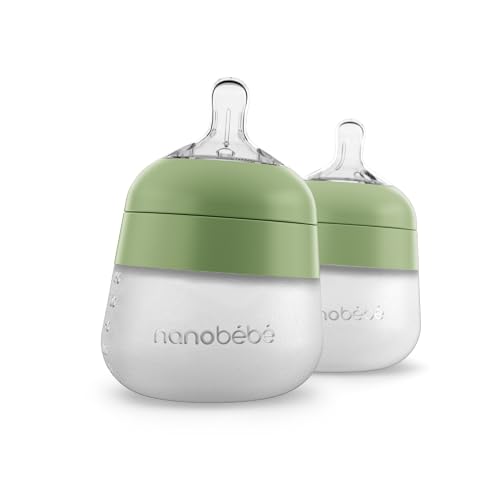
Best for: parents seeking a soft, familiar feel with easy neck handling and less nipple confusion. The 5 oz bottle uses a non-collapsing nipple and a stable base to minimize tipping and spills.
Why selected: the triple venting design helps maintain a steady flow and reduces post-feed fussiness. The bottle’s silicone is BPA, PVC, lead, and phthalate-free, making it a practical all-around option for daily use.
Limitation: the silicone may feel different to parents accustomed to harder plastics; some babies may take time to adjust to the silicone texture.
Lansinoh Anti-Colic Bottles (5 oz)

Best for: newborns and infants who benefit from a proven anti-colic system and a gentle, wide-mouth nipple. The NaturalWave design supports baby-led feeding at a comfortable pace.
Why selected: the anti-colic nipple and air ventilation system are designed to help limit air intake, which reduces gas and fussiness. It’s a reliable option for everyday use in families practicing mixed feeding.
Limitation: some parents find the nipple flow rate varies slightly between batches; check the flow with your child and adjust if needed.
Lansinoh Medium Flow Anti-Colic Bottle

Best for: babies who require a moderate flow with anti-colic benefits while transitioning between breast and bottle. This bottle supports baby-led feeding with a flexible nipple tip.
Why selected: the combination of a vented system and a nipple that stretches with baby’s sucking helps deliver milk at a comfortable pace. It is well-suited for growing infants and mixed feeding routines.
Limitation: the larger 8 oz size may be less convenient for very young infants who prefer smaller, more frequent feeds; consider starting with smaller bottles and scaling up.
Buying Guide: Key Considerations For Bottle Choice
What flow rate do I need?
Newborns and preemies often benefit from slow or extra-slow flows. As babies grow, they may need medium or faster flows. Look for bottles that offer identifiable flow options and nipples labeled by flow rate to reduce guesswork.
Is anti-colic important for my baby?
Anti-colic designs—vented bases, air channels, and bubble-reducing nipples—help minimize gas and fussiness. If your baby swallows air or spits up easily, prioritize anti-colic models.
How easy is cleaning and assembly?
Some sets include many parts and different bottle sizes. Simpler designs may save time, while larger kits offer value. Consider your cleaning routine and dishwasher safety when choosing.
How closely should a bottle mimic breastfeeding?
Nipple shape, latch feel, and flow synchronization affect how easily a baby accepts a bottle after breastfeeding. Bottles labeled as breast-like or with natural flow are often easier for breastfed babies to adopt.
What about materials and safety?
Most modern bottles use BPA-free plastics or silicone. Verify that the product is free from harmful chemicals and is easy to sanitize. Silicone nipples provide a soft, familiar feel for many babies.
Capacity and future needs
Starting with smaller bottles for newborns and planning for growth helps reduce waste. A mix of bottle sizes in a kit can cover the transition period from newborn to older infant.
FAQ
- Which bottle is best for breastfed babies? Bottles with breast-like nipples and natural flow are typically best for minimizing nipple confusion and easing transitions between breast and bottle.
- Are anti-colic bottles worth it? For babies who experience gas or fussiness during feeds, anti-colic designs can reduce air intake and improve comfort.
- Should I choose a big set or single bottles? A bigger set provides variety for growing babies and mixed feeding, but a few well-chosen bottles may suffice for a simpler routine.
- Can I mix brands? Yes, many parents use different brands to match nipple flow and latch for each feeding, though consistency can simplify cleaning.
- How do I know which nipple flow to start with? Start with slow or extra-slow flow for newborns and observe feeding pace; transition to higher flows if the baby shows signs of wanting more milk per swallow.
- Is silicone safe for babies? Silicone nipples are widely approved for safety, and many babies tolerate them well, though a few prefer different textures.