When feeding a baby with a cleft lip or palate, specialized bottles and nipples can ease nursing and reduce frustration for both parents and infants. This guide highlights five well-suited options designed to support easier latching, reduced swallowing effort, and better milk flow control. Each choice is best for specific feeding needs, such as pacified flow, anti-colic design, or backflow prevention. The following table compares key details to help you choose quickly.
| Product | Best For | Key Benefit |
|---|---|---|
| Pigeon Baby Cleft Palate Bottle | Newborns needing guided feeding | Squeezable body with two nipple sizes for adjustable flow |
| Dr. Brown’s Specialty Starter Kit | Infants with multiple oral feeding challenges | Anti-colic vent and consistent nipple flow |
| Dr. Brown’s Wide-Neck 5 oz Set | Preemies and older infants with mobility challenges | Wide neck, anti-colic system, reliable flow |
| Pigeon Nursing Bottle for Cleft Lip/Palate | Mobility-impaired or early feeders | Squeezable with backflow prevention |
| Pigeon Small Nipple for Cleft Lip/Palate | Young babies requiring precise nipple sizing | Two nipple sizes, backflow protection |
Pigeon Baby Cleft Palate Bottle With 2 Nipples

The Pigeon bottle is designed for babies with cleft lips and palates, supervised by Dr. Masaru Tatsuno. It includes two nipple sizes to adapt to feeding needs. The bottle is squeezable, with a thicker bottom for stability and a soft middle to assist milk flow. Use is best for newborns or early feeders who need adjustable flow and gentle suction. Caution: Supervision by a pediatrician is advised, and follow the nipple sizing guidance for best results.
Best for: Parents seeking adjustable nipple flow and a squeezable bottle to help babies nurse with cleft-related feeding challenges. Limitations: Requires pediatric guidance for optimal nipple size selection.
Dr. Brown’s Specialty Feeding System Starter Kit

This starter kit targets infants with cleft lip/palate and related feeding issues. It pairs an anti-colic vent system with a consistent nipple flow rate via the Infant-Paced Feeding Valve. This combination aims to reduce spit-up, gas, and fussiness while enabling a steady milk flow. Best for babies who struggle with latching or have multiple oral feeding needs. Caution: The system may require gradual familiarization for first-time users.
Best for: Families needing an integrated, medically informed approach to complex feeding challenges. Limitations: Setup and compatibility with other bottles may require learning the valve system.
Dr. Brown’s Medical Specialty Wide-Neck Bottle (5 oz)
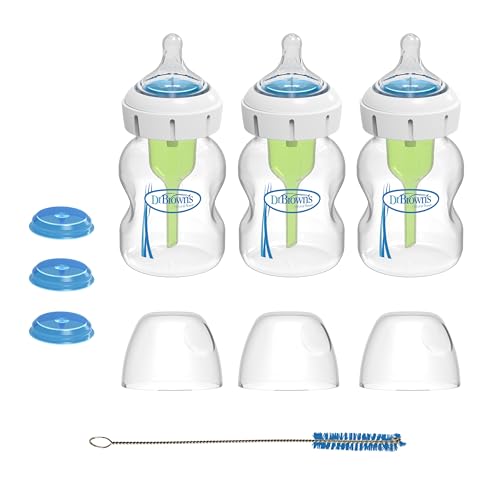
The wide-neck option is designed for preemies and infants with feeding challenges. It uses an anti-colic vent system to minimize gas and spit-up, and a blue one-way Infant-Paced Feeding Valve helps maintain a consistent nipple flow. Best for babies requiring a stable feeding pattern and a larger bottle body. Limitation: 5 oz size may necessitate more frequent refills for hungrier feeds.
Best for: Preemies or infants needing steady flow and reduced air intake. Limitations: Smaller volume may require more frequent feeds for larger infants.
Pigeon Baby Nursing Bottle for Cleft Lip/Palate

This Pigeon bottle is a squeezable P-type bottle with a P-type nipple, designed specifically for babies with cleft palate or cleft lip. The squeezable design reduces the effort needed to extract milk, and the 240 ml capacity supports longer feeding windows. Best for caregivers seeking controlled milk flow through manual assistance. Caution: Ensure proper guidance on nipple sizing for optimal function.
Best for: Easy milk expression and controlled flow with a squeezable bottle. Limitations: Proper nipple sizing guidance required for optimal use.
Pigeon Bottle Nipple for Cleft Lip/Palate Baby, Regular Size
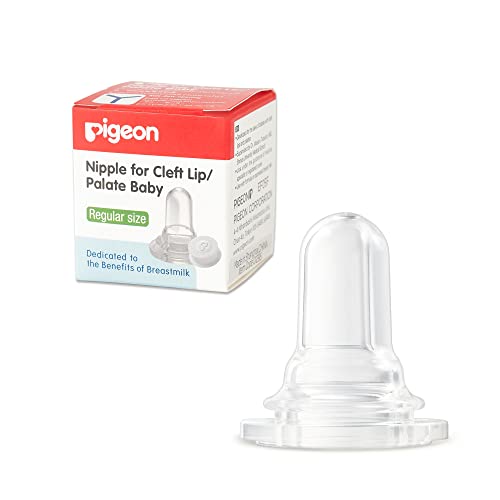
This nipple is supervised by Dr. Masaru Tatsuno and includes two nipple sizes to match feeding needs. The Y-cut hole design helps the baby use the tongue and lips comfortably. A backflow prevention valve reduces milk returning into the bottle. Best for gradually adjusting flow and for babies requiring precise nipple controls. Caution: Use under pediatric guidance to choose the right nipple size.
Best for: Caregivers needing backflow protection and nipple size options. Limitations: Requires professional guidance for correct size choice.
Pigeon Bottle Nipple for Cleft Lip/Palate Baby, Small Size

This smaller nipple option is supervised by pediatric professionals and includes backflow prevention. It is designed for babies who require smaller nipple openings or lower flow rates. Aimed at caregivers needing precise control during early feeding stages. Best for delicate latching scenarios. Caution: Compatibility with other bottle parts should be verified for fit.
Best for: Early feeding with strict flow control. Limitations: May require frequent size adjustments as baby grows.
Buying Guide
- Flow Control – Look for adjustable nipple sizes or valves that allow gentle, controlled milk flow. For cleft palate, minimal effort and precise flow help reduce frustration during feeding.
- Vent Systems – Anti-colic vents minimize air intake and gas, which is helpful for babies with sensitive feeding dynamics.
- Backflow Prevention – Some nipples feature backflow valves to prevent milk from flowing back into the bottle, supporting weaker suckers.
- Cleanability – Choose bottles with wide necks and simple components to simplify cleaning and reduce milk film buildup.
- Support and Guidance – Many products note pediatric supervision or specific clinician involvement. Follow this guidance to select the correct nipple size and bottle type for your infant.
- Capacity and Growth – Start with smaller volumes for newborns and preemies, then consider larger bottles as feeding efficiency improves.
Frequently Asked Questions
- What is the main purpose of these bottles for cleft palate babies? They are designed to ease feeding by providing controlled flow and reducing the effort required to drink, which is especially helpful for babies with cleft lip/palate.
- Do these bottles require pediatric supervision? Yes. Several products advise use under pediatric guidance to ensure nipple size and flow match the baby’s needs.
- Are anti-colic vents important for cleft palate feeding? They can be beneficial by reducing air intake and related discomfort, supporting smoother feeds.
- Can I mix and match nipples with different bottles? Compatibility varies; refer to product guidance to confirm fit and performance.
- Which bottle is best for a newborn with cleft palate? The best choice depends on the infant’s flow needs and caregiver preference; options with adjustable nipples and squeezable bodies are often suitable for early feeding.
- Is backflow prevention essential? It can help if a baby has weak sucking strength, preventing milk from ascending back into the bottle.