Finding bottles that ease the transition from bottle to sippy cup is essential for parents guiding a baby 6 months and older. This guide highlights bottles designed to support older babies as they learn to drink from a sippy spout or wide-neck transition. The selections focus on anti-colic features, ergonomic grips, and durable materials to suit different feeding styles. Whether you need a transition bottle, a leak-proof design, or a nipple that adapts to growing skills, these products target common concerns for caregivers of older babies.
| Product | Why It’s a Good Pick | Best For |
|---|---|---|
| Dr. Brown’s Milestones Narrow Sippy Bottle | Transition from bottle nipple to soft silicone sippy spout; grows with baby; silicone spout fits Dr. Brown’s Options+ Narrow bottles | Babies starting sippy skills, small hands, familiar bottle feel |
| MAM Easy Active Natural Flow Anti-Colic (Purple Iris) | Anti-colic nipple reduces gas; anti-slip bottle; leak-proof with wide opening | Babies needing gentler feeding and easier grip |
| Evenflo Classic Tinted Plastic Bottles (8 Oz, 12-Pack) | Colorful, lightweight, micro air vents help prevent nipple collapse | Families needing multiple bottles and easy grip |
| Lansinoh Anti-Colic Baby Bottles (8 Ounces, 3 Count) | Air ventilation helps limit gas; simple latch with flexible nipple | Breastfed or combo-fed babies needing smooth transition |
| Dr. Brown’s Milestones Wide-Neck Sippy Spout Bottle (9oz) | Handles and 100% silicone spout; works with wide-neck bottles | Older babies who want a wide-neck feel and easy grip handles |
Dr. Brown’s Milestones Narrow Sippy Bottle

The Dr. Brown’s Milestones Narrow Sippy Bottle is designed to ease a baby from bottle to sippy with a soft silicone spout. The transition aligns with a growing baby’s drinking skills while retaining the familiar bottle form. Best for older babies who still rely on a bottle shape but need to practice sip-and-swallow techniques. Caution: the transition spout replaces the vent system, so caregivers should ensure compatibility with existing Dr. Brown’s bottles if venting is needed for certain feeds.
MAM Easy Active Natural Flow Anti-Colic (Purple Iris)

This MAM bottle emphasizes anti-colic benefits with a skin-soft nipple that reduces air intake and bubbles. The ergonomic bottle surface helps babies grip more easily, while the wide opening supports straightforward cleaning. Best for babies prone to gas or fussiness who also need a reliable grip during transitions. Limitation: the 11-ounce size may require more frequent refills for larger feeds in older babies.
MAM Easy Active Natural Flow Anti-Colic (Purple Iris) — Alternate Color
Note: This is a second color variant of the same design, offering identical anti-colic performance and leak-proof design. Best for households wanting color variety or matching baby gear. Choose this if you prefer a different bottle color for easier identification or preference.
Evenflo Classic Tinted Plastic Bottles (8 Oz)
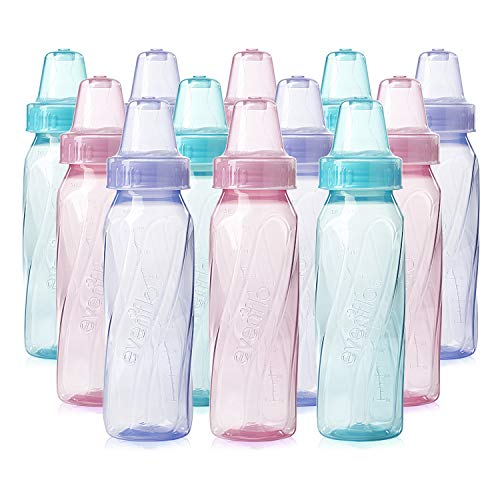
Evenflo’s tinted bottles are lightweight and easy to hold, with micro air vents to help prevent nipple collapse. The molded measurement markers in both ounces and milliliters support simple tracking of intake. Best for households needing a cost-effective, high-volume option. Caution: some caregivers may prefer vented systems with more active anti-colic features for particularly gassy babies.
Lansinoh Anti-Colic 8 Ounce Bottles (3 Count)

Lansinoh bottles focus on an air ventilation system designed to limit air intake, supporting less gas and fussiness during feeds. The flexible nipple tip adapts to sucking, aiding baby-led feeding. Best for babies who respond well to a soft, wide-latch nipple and need a calm feeding rhythm. Limitation: some parents may prefer bottles with stronger vent systems for persistent colic symptoms.
Dr. Brown’s Milestones Wide-Neck Sippy Spout Bottle (9oz)

This bottle adds 100% silicone handles and a soft sippy spout to support an easy grip for older babies. The sippy spout fits most Dr. Brown’s Options+ Wide-Neck bottles when the vent system is removed. Best for babies who want a wider-neck feel or need handles for better manipulation. Caution: verify compatibility with your current vented system if you plan to reuse existing bottles.
Buying Guide
What should I look for in bottles for older babies?
Key factors include transition compatibility (bottle to sippy), anti-colic features to reduce gas, ergonomic grips, and durable materials. For growing babies, consider bottles with removable handles or wide necks for easy cleaning and swapping to sippy spouts.
Soft spouts vs. hard nipples: which is better for transition?
Soft silicone sippy spouts help babies practice sipping without a strong flow, easing the move from bottle nipple to cup. Some brands offer spouts that fit onto existing bottles, creating a seamless transition without purchasing an entirely new set.
Vent systems and gas management
Air vents can reduce gulping air and colic symptoms. If your baby is consistently gassy, favor bottles with a proven anti-colic vent design and consider trying different nipple flow rates as feeding skills develop.
Grip and handling considerations
Ergonomic designs, anti-slip textures, and removable handles assist babies with self-feeding. For early hand coordination, lighter bottles with textured grips are advantageous.
Materials and cleaning
High-quality silicone and BPA-free plastics are common. Wide-mouth bottles simplify cleaning and the addition of sippy spouts or handles. If you need to sterilize, verify that the bottle components are dishwasher-safe or easy to hand-wwash.
When to switch from bottle to sippy
Most babies begin transitioning around 6 months or when they demonstrate improved head control and independent sipping. Use a gradual approach, offering sippy spouts alongside traditional nipples to build confidence without frustration.
Usage tips for mixed feeding
Keep a consistent routine for bottle and cup feeds to minimize confusion. Label different bottle types or color codes to help caregivers quickly identify the appropriate feeding method for each session.
FAQ
- Q: When should I start introducing a sippy spout?
- A: Around 6 months, once baby shows readiness for independent drinking and improved head and neck control.
- Q: Are anti-colic bottles worth it for every baby?
- A: They can help babies prone to gas, but results vary. Try several styles to see what works best for your baby.
- Q: Can I reuse existing bottle nipples with a sippy spout?
- A: Some designs support transition fittings; check compatibility with your bottle model and vent system requirements.
- Q: What materials are safest for older-baby bottles?
- A: Look for BPA-free plastics or silicone, with durable, easy-to-clean components and reliable seals to prevent leaks.
- Q: How do I know which flow rate to choose?
- A: Start with a slower flow and adjust as your baby grows accustomed to sucking, watching for signs of frustration or flow resistance.