Whether you’re planning to return to work, or simply want a hands-free option for easier feeding, choosing the right breast pump matters. This guide highlights five pumps well-suited for first-time moms, focusing on comfort, portability, and ease of use. Each option targets a different feeding style or lifestyle, from wearable devices to manual and hybrid models.
Summary of selected products:
| Product | Best For | Key Benefit |
|---|---|---|
| Momcozy M5 Smart APP Controlled Wearable Breast Pump | Stay-at-home, commuting, or working moms who want hands-free pumping | App control, discreet wear, multiple modes |
| Medela Harmony Manual Breast Pump | Busy moms needing a reliable manual option | Compact Swiss design, efficient 2-Phase expression |
| Paruu P16 Hands-Free Pump | Active, on-the-go moms seeking customizable suction | 4 modes, 12 levels, very portable |
| haakaa Manual Breast Pump | Travel or backup, hands-free letdown collection | Cord-free, simple, and quiet |
| Frida Mom 2-in-1 Pump | Versatile users who want both manual and hands-free options | Two-in-one design with ergonomic handle |
Momcozy M5 Smart APP Controlled Wearable Pump

The Momcozy M5 Smart is a wearable, hands-free electric pump designed for discreet use. It supports single or bilateral pumping via a mobile app, and it tracks milk volume and trends for easy lactation monitoring. This model suits mothers who want to pump while moving, driving, or working, with a compact 232g frame and a 24mm flange for a secure fit. Best for new moms who value seamless control from their phone and the ability to pump without visible tubing.
Who it’s best for: First-time moms who prioritize discreet, on-the-go pumping and digital tracking. Why selected: The app-enabled control, portable form, and Baby-Mouth-inspired suction support comfortable sessions. Caution: Ensure your phone remains within app range for reliable monitoring and remote control.
Medela Harmony Manual Breast Pump

Medela Harmony is a compact, Swiss-designed manual pump with PersonalFit Flex shields and 2-Phase Expression Technology. It’s ideal for busy moms who want a lightweight, battery-free option that’s easy to assemble and clean. The 2-Phase technology helps maximize milk output in less time, making it a practical backup or primary manual choice for occasional pumping.
Who it’s best for: Moms seeking a reliable, simple manual pump for occasional use or quick pumping sessions. Why selected: Strong milk-expression technology in a compact, portable unit. Caution: Manual pumps require more hand effort compared to electric models.
Paruu P16 Wearable Breast Pump
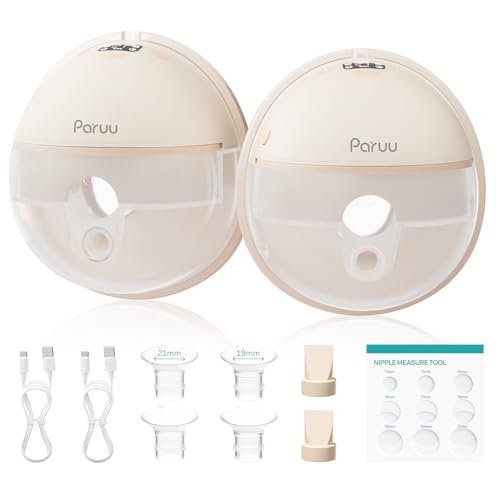
The Paruu P16 is a lightweight wearable breast pump with 4 pumping modes and 12 levels of suction. Its 30-minute auto shut-off helps structure pumping sessions, while 240g weight makes it a true on-the-go option. A smart LED display keeps track of time, mode, and suction level, supporting a hands-free experience in the bra.
Who it’s best for: Active moms who want a customizable, silent pumping experience without bulky equipment. Why selected: High suction range with compact wearability. Caution: Check the valve and diaphragm installation if suction weakens.
haakaa Manual Breast Pump

Haakaa offers a simple, cord-free manual pump that’s ideal for travel or as a backup. Its single-piece silicone design is easy to clean and use, and it’s often used as a letdown milk collector while the other side is nursing. The absence of motors makes it quiet and compact for discreet pumping.
Who it’s best for: New moms needing a small, silent, travel-friendly option. Why selected: Simplicity and portability without electrical components. Caution: Not suitable as a primary pumping solution for larger milk volumes.
Frida Mom 2-in-1 Pump

Frida Mom combines manual hand pumping with a hands-free silicone suction cup in a single unit. The ergonomic handle supports controlled pumping away from the baby, while the SoftFeel 24mm flange offers a comfortable seal. This model is versatile for moms who need both manual and hands-free options without carrying multiple devices.
Who it’s best for: Moms seeking flexibility between manual and automatic pumping. Why selected: Dual-mode capability within one device. Caution: Separate tops are required for different flange sizes, which may add complexity for some users.
Buying Guide: Key Considerations For First-Time Moms
How do you choose between wearable, manual, and hybrid pumps?
Wearable pumps offer hands-free convenience and portability, ideal for work or travel. Manual pumps are simple, reliable, and budget-friendly, best for occasional use. Hybrid or 2-in-1 designs provide versatility when you want both manual and electric options in one device. Consider your daily schedule, pumping frequency, and comfort level with technology when choosing.
What matters for comfort and milk flow?
- Flange size and fit: The most common comfort issue comes from an ill-fitting flange. Look for options offering multiple flange sizes or adjustable fit.
- Suction modes and levels: More levels allow finer control over milk expression. Wearable models with 3–4 modes and 9–12 levels provide flexibility.
- Soft seal and latch design: Features like “Baby Mouth” mimic a natural latch and can reduce discomfort during sessions.
How important is portability and noise level?
For on-the-go pumping, lighter devices with covert profiles are preferable. Whisper-quiet pumps minimize attention and distraction, especially in public or shared spaces.
What about maintenance and cleaning?
Models with fewer parts or simpler assembly are easier to clean, which matters for daily use and hygiene. Manual pumps generally require less maintenance than electric ones, but wearable designs should be checked for thorough cleaning of seals and flanges.
What should you consider for app-enabled pumps?
App-connected devices can help track milk volume and pumping sessions. Ensure your phone’s compatibility, data privacy, and battery life are suitable for your routine if you rely on app features.
What is a practical buying plan for a first-time mom?
- Start with a reliable, easy-to-clean manual pump as a backup.
- Choose a wearable or hybrid option if you need hands-free pumping for daily tasks.
- Consider a travel-friendly option for weekends or commutes.
FAQ
- Q: Is a wearable pump better than a manual pump for a first-time mom? A: Wearables offer hands-free convenience and can fit into a busy schedule, but manual pumps are simple, affordable, and reliable for occasional use.
- Q: How important is flange size? A: Very important. A proper flange size improves comfort and milk flow; many pumps come with multiple size options.
- Q: Can I use app data for lactation planning? A: App features can help you track volume and trends, which may assist in scheduling and feeding plans, though data accuracy depends on usage consistency.
- Q: Should I prioritize suction levels or modes? A: Both matter. More levels offer customization, while appropriate modes (stimulation, expression) support efficient milk flow and comfort.
- Q: Is a rechargeable battery essential for a pump? A: For mobile use, a pump with a robust battery improves reliability when power access is limited.
- Q: Do these products require frequent cleaning? A: Most pumps involve disassembly for cleaning. Simpler designs with fewer parts can simplify maintenance.